Iran War Devastates India's Economy as Gulf Trade Routes Collapse, Workers Flee
Generations of Indian workers and businesses built vital economic ties with Gulf states now disrupted by ongoing Middle East conflict.

The conflict between the United States and Iran has devastated India's economic ties with the Persian Gulf region, disrupting trade routes that have been vital to the Indian economy for generations and forcing hundreds of thousands of Indian workers to flee the region as hostilities intensify. The economic fallout represents one of the most significant collateral consequences of the war for a country not directly involved in the fighting.
India's economic relationship with the Gulf states runs deep. An estimated 8.5 million Indian nationals live and work in countries including the United Arab Emirates, Saudi Arabia, Kuwait, Qatar, Oman, and Bahrain, forming one of the largest diaspora communities in the world. These workers send billions of dollars in remittances back to India each year, providing a critical income stream for millions of families and contributing significantly to India's foreign exchange reserves.
Since the conflict began in late January, an estimated 300,000 Indian workers have left the Gulf region, according to India's Ministry of External Affairs. Many were employed in construction, hospitality, healthcare, and retail sectors that have been severely disrupted by the war. Those who remain face uncertainty as businesses close, construction projects halt, and the broader economy of the Gulf region contracts under the pressure of conflict and disrupted energy exports.
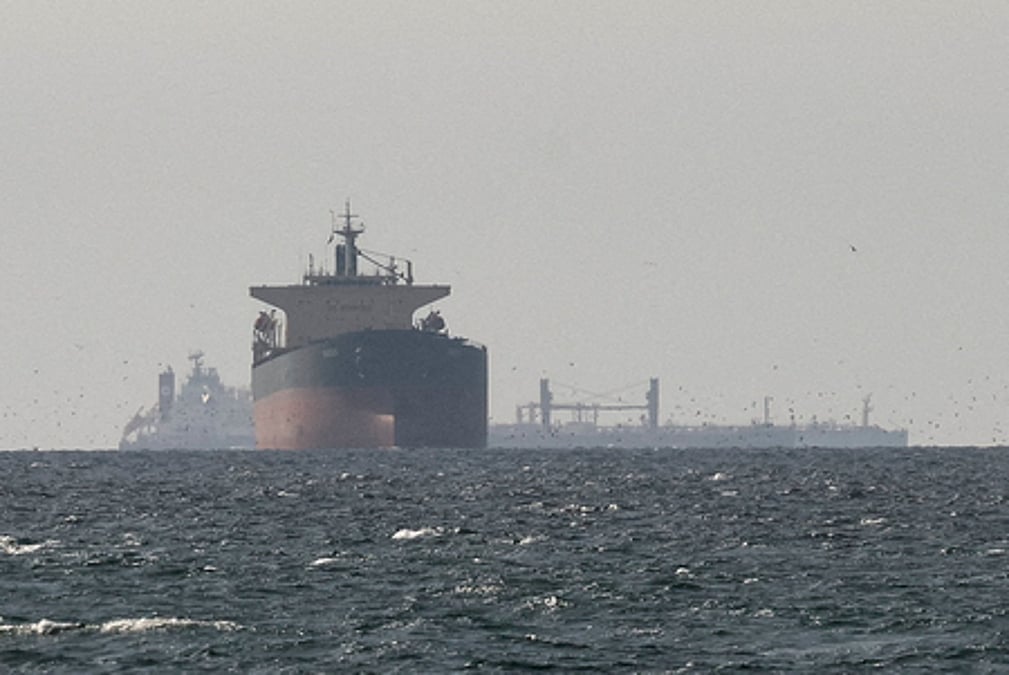
The impact on Indian trade has been equally severe. The Gulf states collectively represent one of India's largest trading partners, with bilateral trade valued at more than $180 billion annually before the conflict. Much of this trade involves energy imports, with India depending on Gulf nations for roughly 40 percent of its crude oil supply. The disruption to shipping lanes in the Persian Gulf and the Strait of Hormuz has forced Indian importers to seek alternative suppliers at significantly higher prices, contributing to domestic inflation that has become a major political concern.
Indian businesses with operations in the Gulf have reported widespread losses. Companies in sectors ranging from construction and engineering to food processing and financial services have seen contracts suspended or canceled, projects abandoned mid-completion, and receivables become uncollectible as the economic infrastructure of the region buckles under the strain of war.
The Indian government has responded with a series of emergency measures, including the deployment of naval vessels to assist in the evacuation of Indian nationals, the establishment of emergency consular services in conflict-affected areas, and the negotiation of alternative energy supply agreements with nations outside the Gulf. Prime Minister Narendra Modi has spoken with leaders of multiple Gulf states and called for an immediate ceasefire, reflecting India's urgent interest in the restoration of stability in the region.
The remittance crisis has had a particularly acute impact on the Indian state of Kerala, which has historically sent the largest number of workers to the Gulf and is heavily dependent on the income they send home. State officials have estimated that remittance flows have declined by more than 40 percent since the conflict began, forcing families to cut spending and creating a ripple effect through the local economy.
Economists have warned that the disruption could set back India's growth trajectory by several years. The country had been positioning itself as one of the world's fastest-growing major economies, but the combination of higher energy costs, lost export markets, reduced remittances, and disrupted supply chains has forced a significant downward revision of growth forecasts.
For the millions of Indian workers and their families whose livelihoods are tied to the Gulf, the conflict has shattered the economic model that sustained them. Many of the workers who have returned to India face limited employment prospects at home and uncertainty about whether the jobs they left behind will still exist when the conflict ends.