Trump Extends Iran Deadline to April 6 as U.S. Presents 15-Point Peace Plan Through Pakistan
Special envoy Steve Witkoff confirmed the sweeping proposal — demanding Iran end its nuclear program, open the Strait of Hormuz, and halt proxy funding — as Pakistan confirmed its role as secret intermediary.
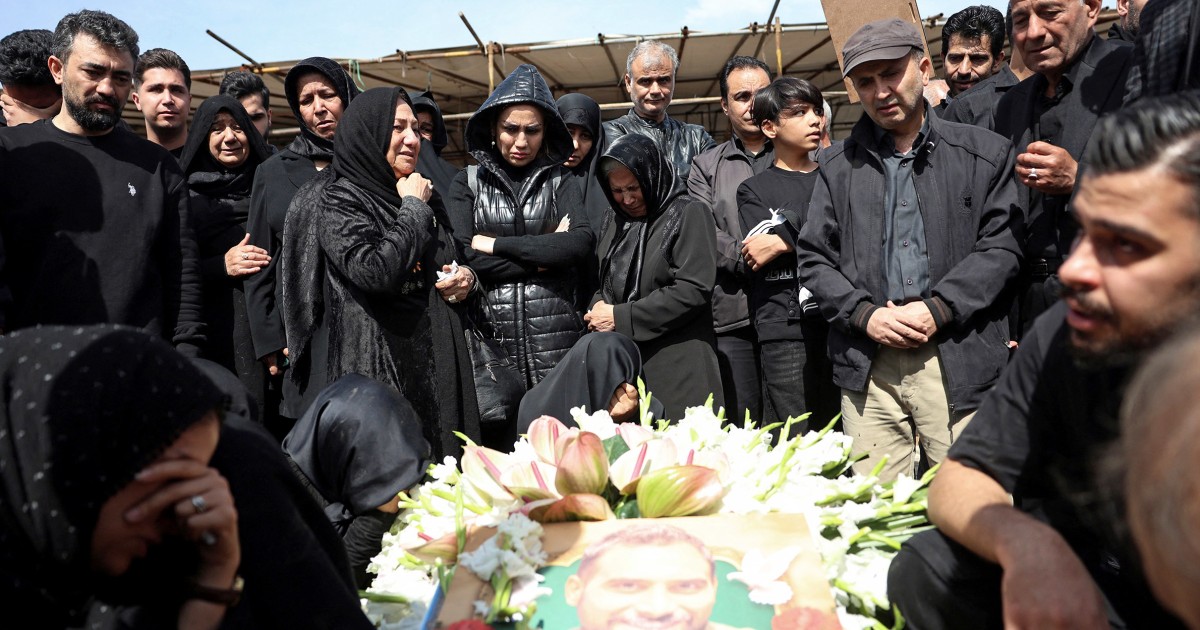
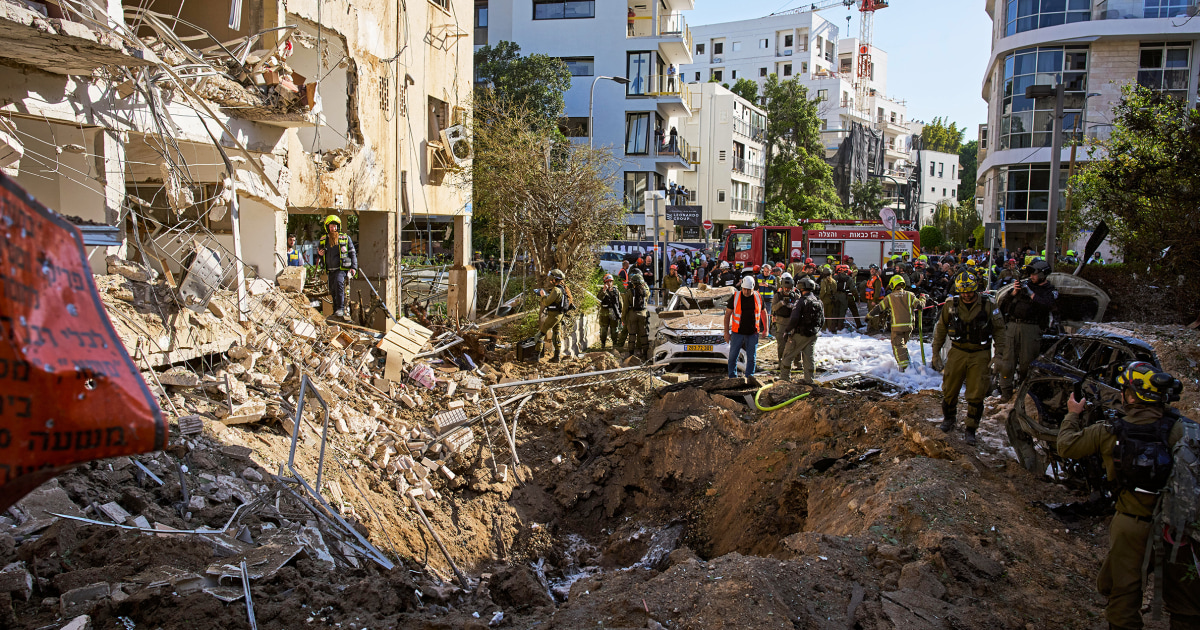
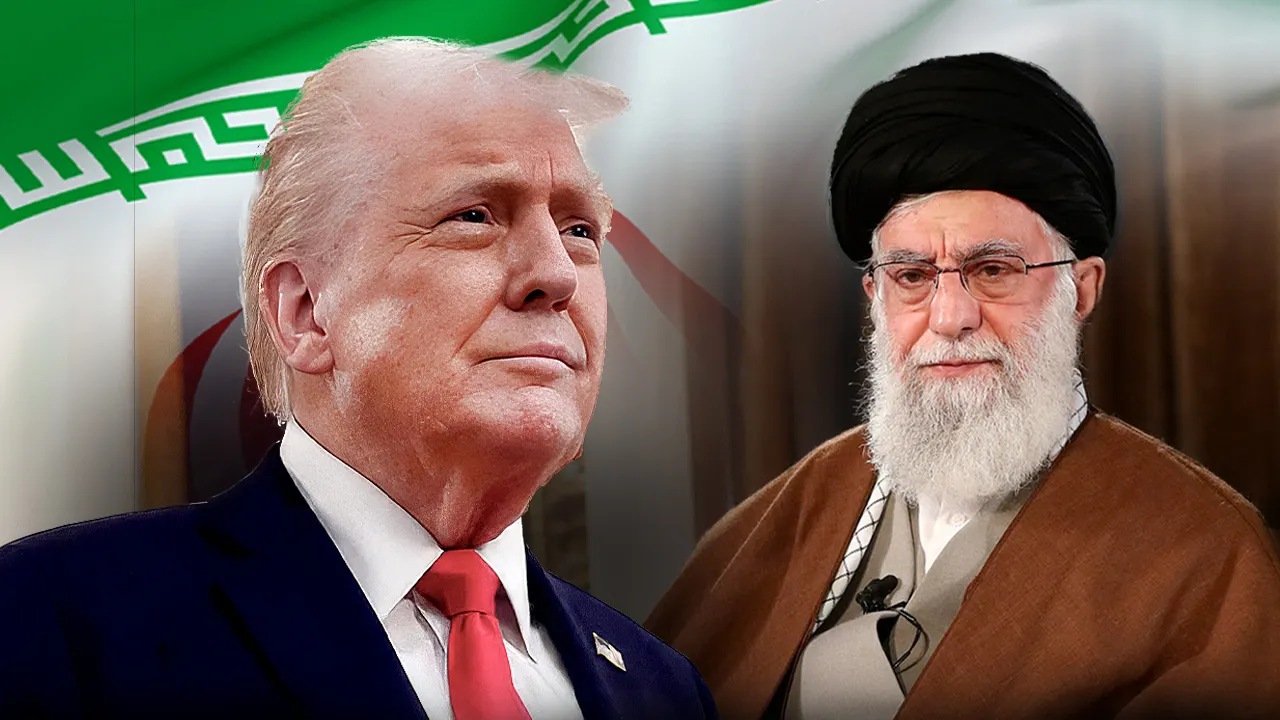
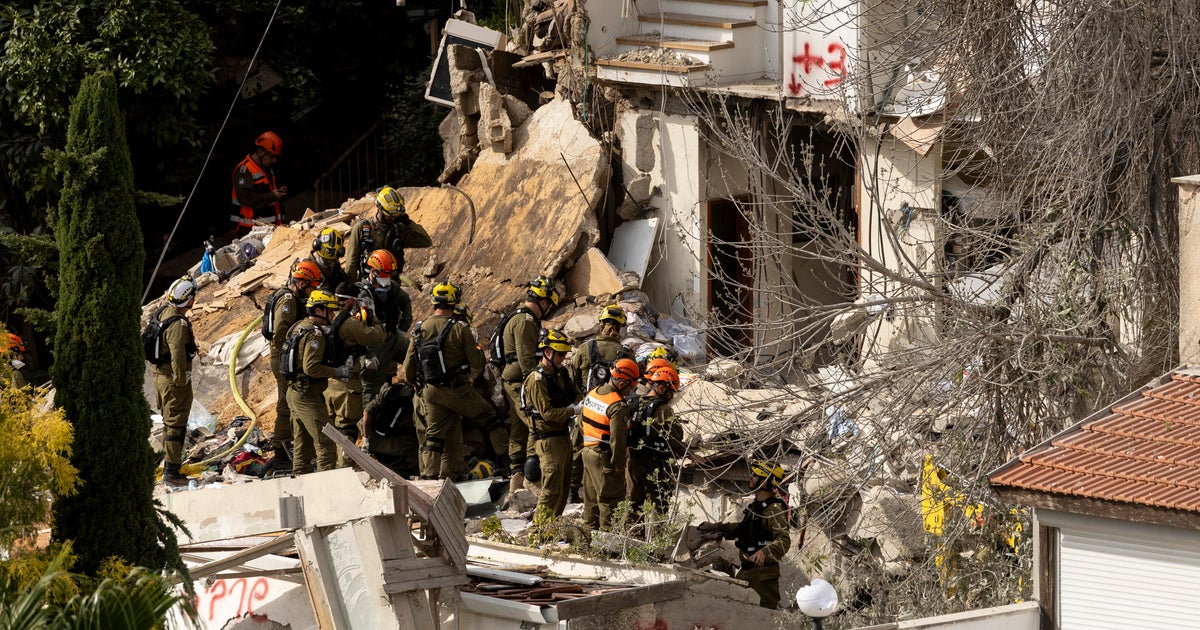
President Donald Trump announced Thursday that the United States would postpone strikes on Iranian energy infrastructure by ten days, extending a critical military deadline to April 6 at 8 p.m. Eastern Time, as U.S. special envoy Steve Witkoff simultaneously revealed that Washington had delivered a sweeping 15-point peace proposal to Tehran through Pakistani intermediaries. The announcement marked the second consecutive deadline extension in a war now entering its fifth week, with more than 1,900 Iranians and thousands more killed across the broader Middle East region since fighting began on March 1.
Pakistan's Foreign Minister Ishaq Dar confirmed Thursday that Islamabad was actively relaying messages between Washington and Tehran, calling his country "a responsible nation" committed to facilitating a "comprehensive settlement." Pakistani Prime Minister Shehbaz Sharif has offered to host direct talks between U.S. and Iranian officials, and Germany's foreign minister said both sides had agreed in principle to meet in Islamabad, though neither Tehran nor Washington has confirmed a date. Turkey and Egypt have also offered to support the diplomatic initiative.
The U.S. proposal, as described by regional officials and confirmed by NBC News, would require Iran to permanently end its nuclear enrichment program, cease funding proxy militias across the Middle East, reopen the Strait of Hormuz — through which roughly 20 percent of the world's traded oil normally flows — and agree to limits on its long-range missile program. In exchange, Washington would provide Iran with substantial sanctions relief and security guarantees. Trump said at his Cabinet meeting Wednesday that talks were "going very well," adding that Iran wants "to make a deal so badly, but they're afraid to say it" because of domestic political pressures in Tehran.
Iran's official position remains one of firm rejection. Foreign Minister Abbas Araghchi told state television that "no negotiations have happened with the enemy until now," and Tehran countered with five conditions of its own: a full end to military aggression, legally binding guarantees against future attacks, payment of war reparations, a comprehensive ceasefire across all fronts including Lebanon, and formal international recognition of Iranian sovereignty over the Strait of Hormuz. The last demand is seen in Washington as a non-starter. Israeli officials, meanwhile, have privately pushed the Trump administration for "several more weeks" of intensified strikes before any ceasefire, according to American officials familiar with the discussions.
The diplomatic maneuvering is unfolding as both sides continue active military operations. Israeli airstrikes killed Iran's navy chief, Alireza Tangsiri, earlier this week, and Israel has vowed to "intensify and expand" its campaign after Tehran launched a wave of ballistic missiles at Gulf states including Kuwait, the United Arab Emirates, Saudi Arabia, and Jordan. Oil markets remain under extreme pressure, with Brent crude above $110 a barrel and U.S. consumer confidence at a three-year low. With the April 6 deadline now set, every passing day carries enormous weight: if Iran has not agreed to reopen Hormuz and enter formal talks by that date, Trump has pledged to resume devastating strikes on Iranian power plants and oil facilities that would further cripple the country's already battered economy.