Iran Downs Two U.S. Warplanes; Kuwait Refinery Ablaze as War Enters Week Five
Iran shot down a U.S. F-15E Strike Eagle over Iranian territory and damaged an A-10 Warthog during a rescue mission, while Iranian drones set Kuwait's largest oil refinery ablaze as the conflict enters its fifth week with no end in sight.
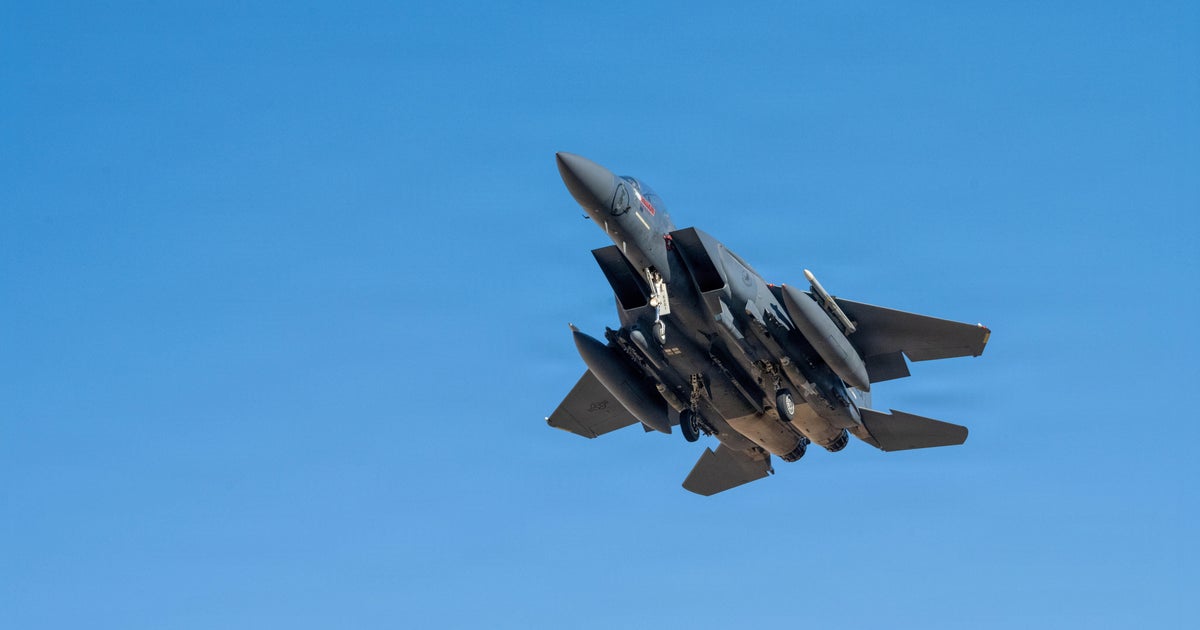
DUBAI — The United States suffered its first confirmed aircraft losses inside Iranian territory on Friday as Iran shot down an F-15E Strike Eagle and damaged an A-10 Thunderbolt II during a search-and-rescue operation, while Iranian drones struck Kuwait's largest oil refinery, sending a towering column of black smoke across the Persian Gulf in the fifth week of the war.
The downed F-15E, a two-crew supersonic fighter assigned to the 48th Fighter Wing at RAF Lakenheath, England, was shot down over western Iran. U.S. military officials confirmed that one crew member — the pilot — was rescued by special operations forces, but a second crew member, the weapons system officer, remained missing Friday evening as search operations continued in dangerous territory.
Iran's Islamic Revolutionary Guard Corps claimed responsibility for the shootdown, saying it used what it described as 'a new advanced air defense system.' The IRGC offered a prize equivalent to roughly $60,000 for capturing any surviving U.S. pilots alive, Iranian state television reported. A regional governor separately offered a bounty of several thousand dollars for any captured crew members brought in alive.
Shortly after the F-15E was reported down, an A-10 Thunderbolt II — the heavily armored close-air-support aircraft known as the Warthog — that had joined the search-and-rescue operation was also struck by Iranian air defenses. That pilot safely ejected over the Persian Gulf and was recovered by U.S. naval assets. Two U.S. Black Hawk helicopters were hit by small arms fire during the search operation, wounding crew members, though none critically.
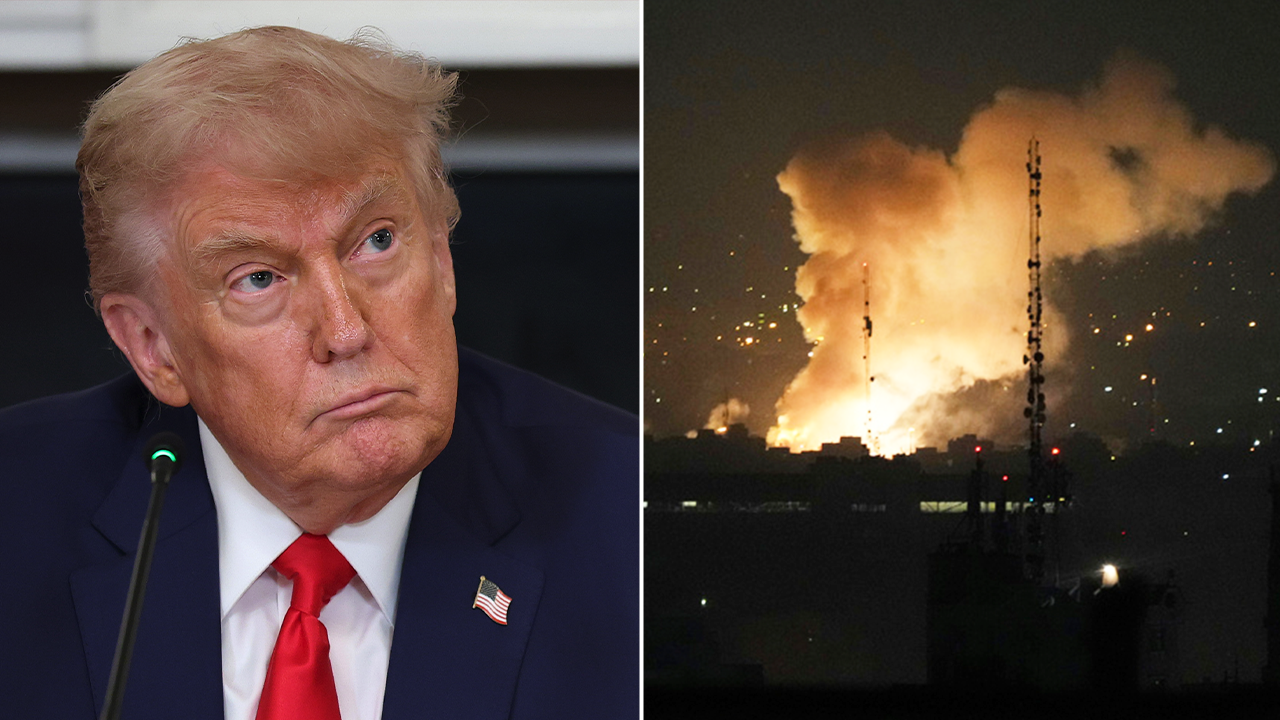
The developments rattled confidence in what the Pentagon had projected as near-total U.S. air superiority over Iranian airspace. U.S. Central Command Commander Adm. Brad Cooper had stated just days earlier that Iran's military lacked the capability to challenge American air power in a meaningful way. Asked whether the shootdowns would affect potential negotiations, President Donald Trump told reporters Friday, 'No, not at all. No, it's war.'
The losses came hours after Iran launched drone strikes on Kuwait's Mina Al-Ahmadi refinery — the largest in the country — setting multiple processing units ablaze. Iran also struck the UAE's Habshan gas facility, though Emirati air defenses intercepted much of the incoming attack. Saudi Arabia separately reported intercepting roughly a dozen Iranian drones overnight.
Since the United States and Israel launched surprise airstrikes on Iran on February 28, 2026, killing Supreme Leader Ali Khamenei, the conflict has killed at least 2,076 Iranians and wounded more than 26,500, according to Iranian health authorities. More than 300 U.S. service members have been wounded; 13 have been killed in action since the conflict began. The conflict has now entered its fifth week with no clear off-ramp visible.
The war's economic toll continued to mount. Brent crude rose nearly 8 percent on Friday to $109 per barrel — its highest since the crisis began, and an increase of more than 50 percent since February. The Strait of Hormuz, through which approximately one-fifth of global oil flows, saw daily vessel traffic collapse from 150 ships per day to just 10 to 20, with roughly 20,000 sailors and thousands of tankers and merchant vessels stranded inside the Persian Gulf.
Forty countries held a virtual emergency summit Friday to discuss restoring freedom of navigation in the strait, notably without the United States or Israel at the table. French President Emmanuel Macron told reporters that using force to reopen the strait was 'unrealistic,' while UK Foreign Secretary Yvette Cooper described Iran's blockade as 'holding the global economy hostage.' International law expert Gabor Rona, speaking to NPR, characterized Trump's threats to strike Iranian power plants and desalination facilities as 'a threat to commit war crimes both under international and U.S. law.' Trump dismissed such concerns, posting to Truth Social: 'The biggest bridge in Iran comes tumbling down, never to be used again.'