Iran Strikes Kuwait's Largest Oil Refinery in Second Attack on Gulf Energy Infrastructure
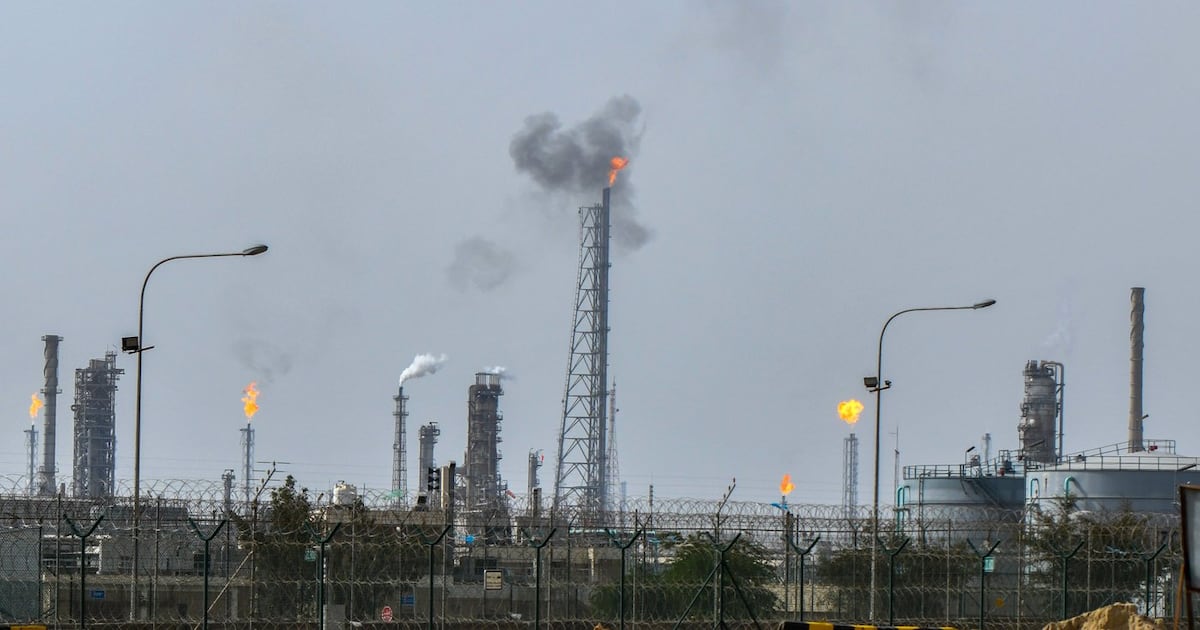
Fires broke out across multiple units at Kuwait's Mina al-Ahmadi refinery — processing 730,000 barrels per day — as Iran escalated its campaign against Gulf Arab states supporting U.S. and Israeli operations.

Iran launched a sweeping assault on energy infrastructure across the Persian Gulf this week that went far beyond its earlier strikes on Qatar's liquefied natural gas facilities, targeting Kuwait's largest oil processing complex and triggering fire and shutdowns across multiple industrial units. The attacks mark a significant escalation in Iran's strategy of hitting Gulf Arab states that have, in Tehran's view, enabled or acquiesced to the American and Israeli military campaign that began on February 28.
Kuwait's Mina al-Ahmadi refinery — the largest in the country and one of the largest in the region, processing approximately 730,000 barrels of oil per day — was struck on back-to-back days. Fires broke out across multiple processing units in the second attack, and refinery operators were forced to shut down several key sections of the complex as a precautionary measure. Kuwait is not a combatant in the Iran war, but Tehran has accused Gulf monarchies of providing overflight rights, logistical support, and diplomatic cover to U.S. and Israeli forces. The Mina al-Ahmadi strikes came days after Iranian missiles disabled Qatar's Ras Laffan liquefied natural gas terminal, the world's largest LNG facility, taking offline approximately 17 percent of global LNG supply.
U.S. forces at the al-Dhafra air base in the United Arab Emirates were also targeted in the same wave of strikes, with Iranian ballistic missiles landing near the perimeter of the facility. The UAE has been a crucial staging point for American air operations throughout the conflict. No casualties at al-Dhafra were announced by U.S. Central Command. Bahrain, home to the U.S. Navy's Fifth Fleet headquarters, reported that its air defenses had intercepted 143 missiles and 242 drones since the war began — a pace of incoming fire that has put significant strain on Patriot and THAAD battery inventories across the region.
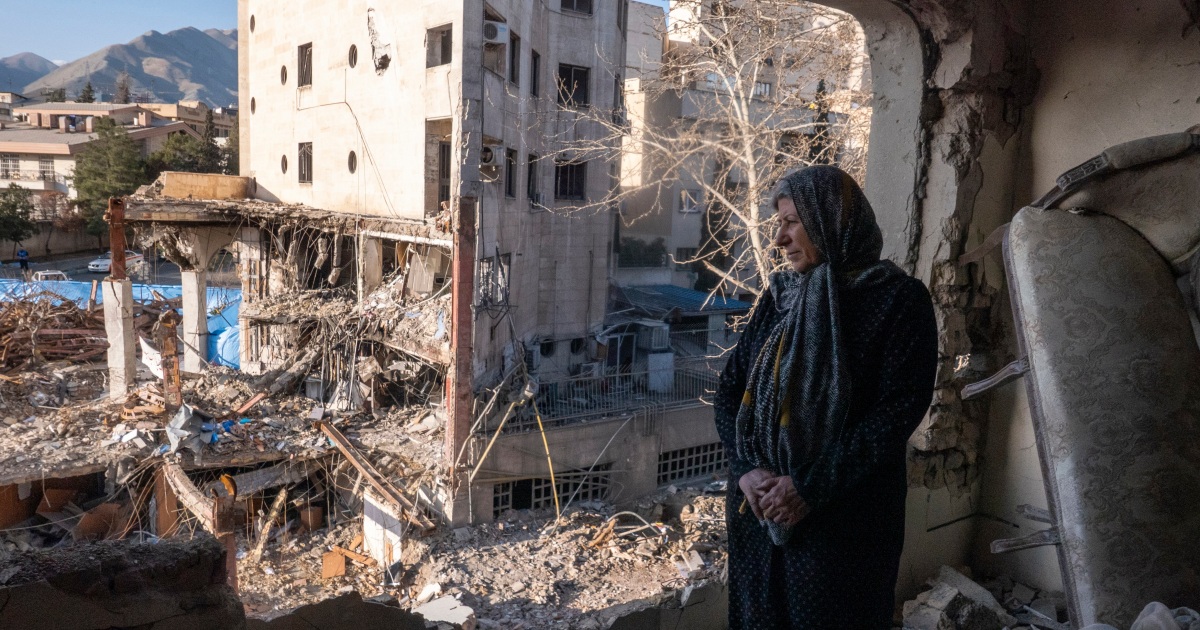
Iran's foreign ministry framed the Gulf strikes as a direct response to Israeli air attacks on the South Pars gasfield, which supplies roughly 80 percent of Iran's domestic natural gas, calling the exchange of energy infrastructure strikes "a proportional and legally justified act of self-defense under international law." QatarEnergy chief Saad al-Kaabi, surveying damage at Ras Laffan, said the destruction had set the region back "10 to 20 years" and could cost Qatar $20 billion annually until repairs — estimated to take three to five years — are completed. Political risk analyst Mujtaba Rahman of the Eurasia Group described the current phase as "an unambiguous escalatory spiral" with no diplomatic channel yet capable of breaking it.
The knock-on effects for global energy markets have been severe and are cascading into the broader economy. Roughly 3,000 commercial vessels are stranded in or near the Middle East, unable to proceed through the closed Strait of Hormuz. Asian governments have begun imposing electricity rationing as LNG shortages bite. Semiconductor and fertilizer supply chains — both heavily dependent on energy and chemical precursors routed through the Gulf — are showing early signs of disruption. Saudi Arabia and Qatar both declared Iranian diplomatic personnel persona non grata this week, severing the last formal diplomatic links between the Gulf states and Tehran. The UAE, Bahrain, the United Kingdom, France, and Germany issued a joint statement condemning the attacks on civilian energy infrastructure as violations of international humanitarian law, calling for an immediate cessation of hostilities.