Iran's Parliament Speaker Threatens to Set US Troops 'on Fire' if Ground Invasion Proceeds
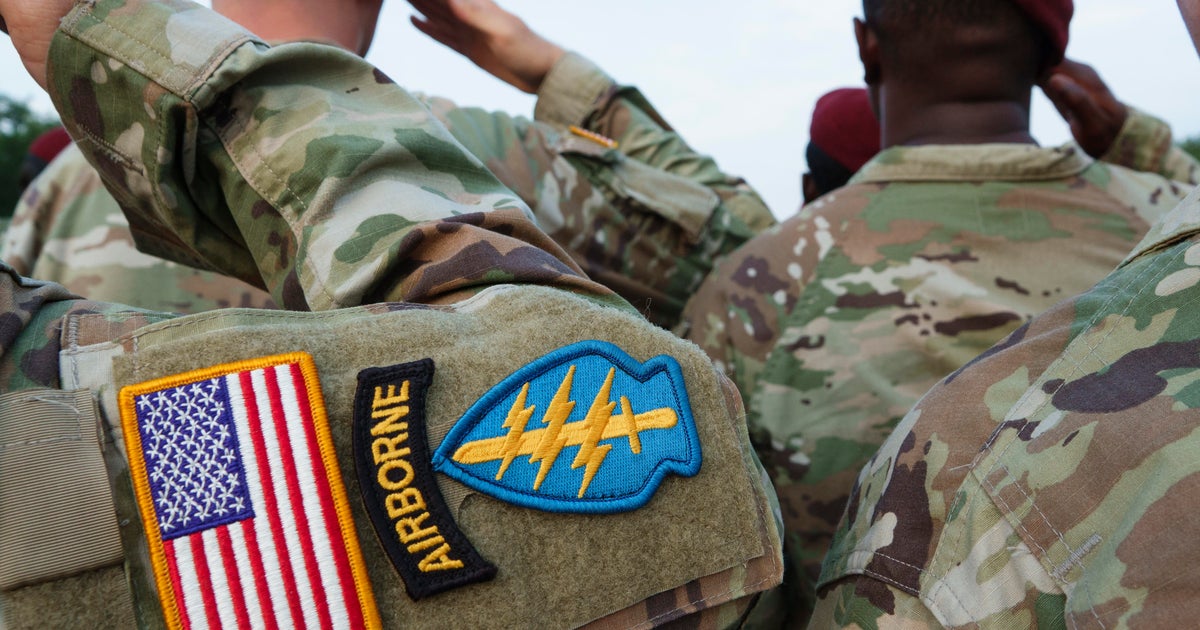
Mohammad Bagher Ghalibaf warned Sunday that Iranian forces would defend the country 'at any cost' as Trump confirmed Special Operations forces have been deployed to the region and acknowledged he is weighing the seizure of Kharg Island.

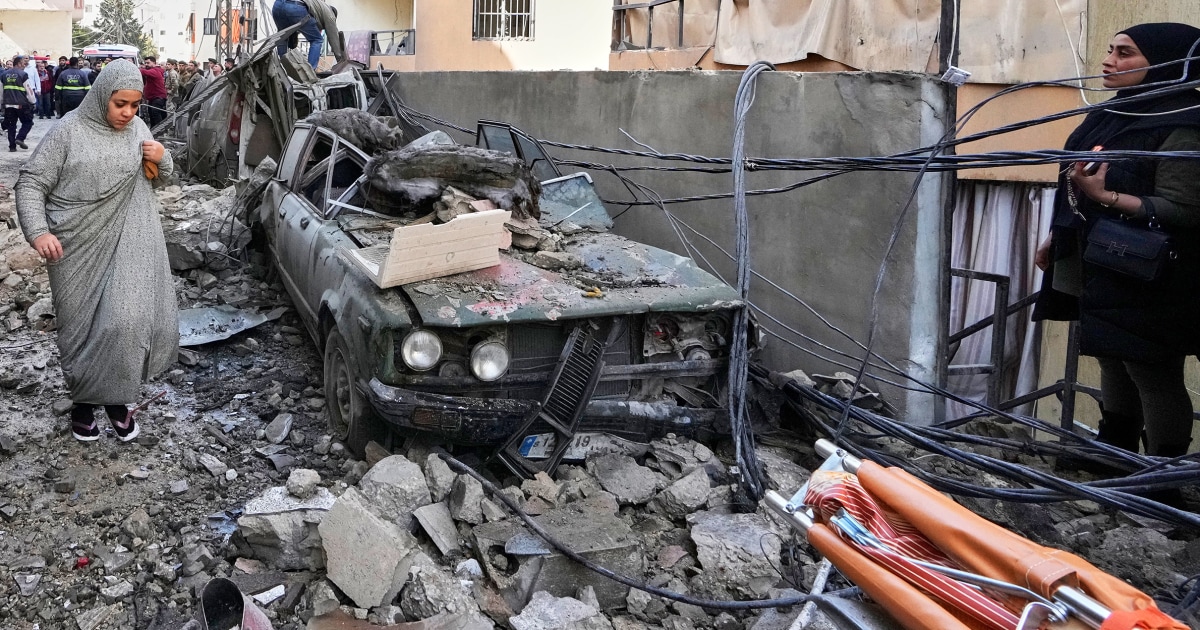
Iran's parliament speaker Mohammad Bagher Ghalibaf issued a stark warning Sunday to the United States, threatening to set American troops "on fire" if the US proceeds with a ground invasion of Iran. The statement, delivered to Iranian state media and widely reported internationally, came as the Pentagon confirmed additional Special Operations forces had been deployed to the region and as President Trump said publicly that he was considering military options including the seizure of Iran's Kharg Island oil hub — the country's primary crude export terminal.
Ghalibaf's threat was among the most explicit warnings from an Iranian official since the US-Israel bombing campaign began on February 28. "If America sends its soldiers to Iranian soil, we will set them on fire," Ghalibaf said, adding that Iranian resistance forces were prepared to defend the country "at any cost." The statement was not accompanied by a specific military threat or operational detail, but it marked an escalation in Iranian rhetoric at a moment when the conflict is already in its fifth week and the death toll has passed 1,750 Iranian fatalities, including more than 200 children.
The threat was directed specifically at reports that the Trump administration has been weighing whether to send ground troops — likely Special Operations units — into Iran to target nuclear enrichment facilities and weapons storage sites that airstrikes alone have been unable to fully destroy. The New York Times and CNN reported last week that Special Operations forces had been pre-positioned in the region but had not been given specific mission orders, leaving the ultimate decision to the president.
Iran's interim leadership — the country has been governed by a council since the assassination of Supreme Leader Ali Khamenei in a joint US-Israeli strike in early March — has maintained a consistent public posture of defiance while also signaling, through Pakistani intermediaries, a willingness to discuss a diplomatic end to the conflict. Pakistan's Foreign Minister Ishaq Dar confirmed Sunday that US-Iran talks are expected "in the coming days," with Pakistan, Turkey, Egypt, and Saudi Arabia serving as intermediaries.
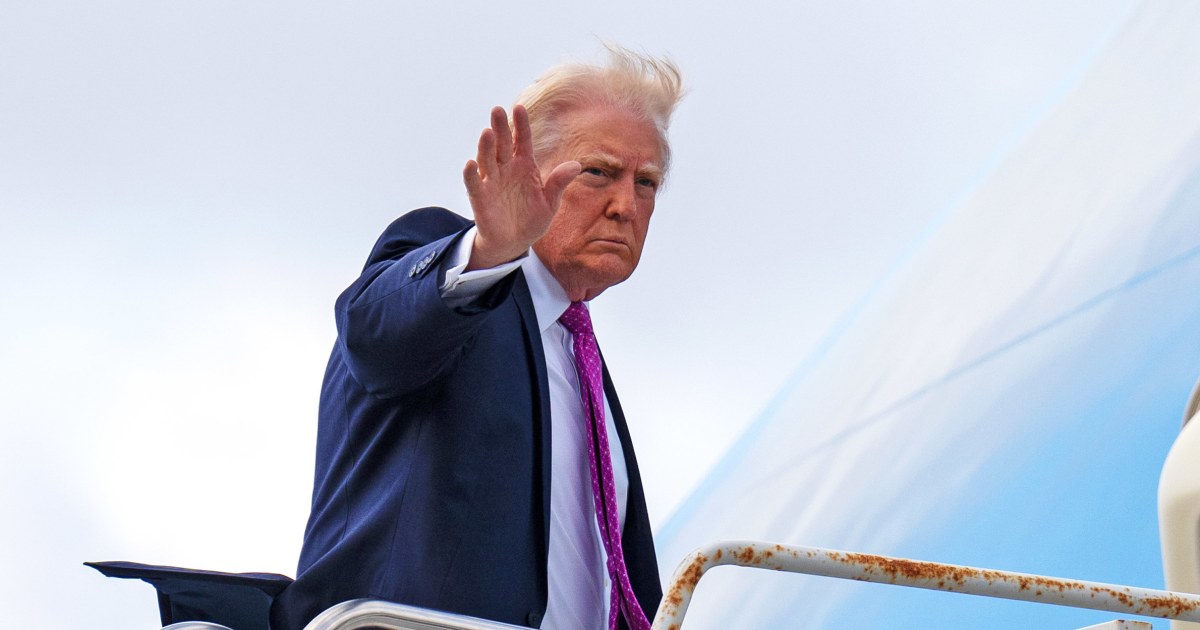
Trump himself struck an ambiguous note on the possibility of ground operations. Speaking to reporters at the White House Sunday evening, he said he saw "a deal" with Iran as possible, citing Iran's agreement to allow ships under Pakistani flag to transit the Strait of Hormuz as a positive signal. But he declined to rule out military escalation. "We'll see what happens," Trump said. "All options are on the table."
The Strait of Hormuz remains the central economic chokepoint of the conflict. Iran's Revolutionary Guards declared the strait closed in early March, and Iranian forces have enforced that closure with mines, patrol boats, and the threat of missile attacks. Crude oil prices remained above $112 per barrel on Sunday, with Brent crude up nearly 50 percent for the month of March. Shipping giant Maersk has suspended all vessel transits through the strait; QatarEnergy halted LNG production at Ras Laffan following drone attacks; and a Saudi Aramco refinery was forced to close after being hit by Iranian missiles.
For the roughly 1,000 tankers now trapped in the Persian Gulf, the prospect of a ground invasion — and the escalation and uncertainty it would bring — represents a worst-case scenario. Marine insurance costs for any vessel attempting to enter the Persian Gulf have risen to levels that make most commercial voyages economically unviable. The longer the crisis persists, analysts warn, the greater the risk of permanent supply chain restructuring that could insulate Iran's chokehold on global energy markets for years.