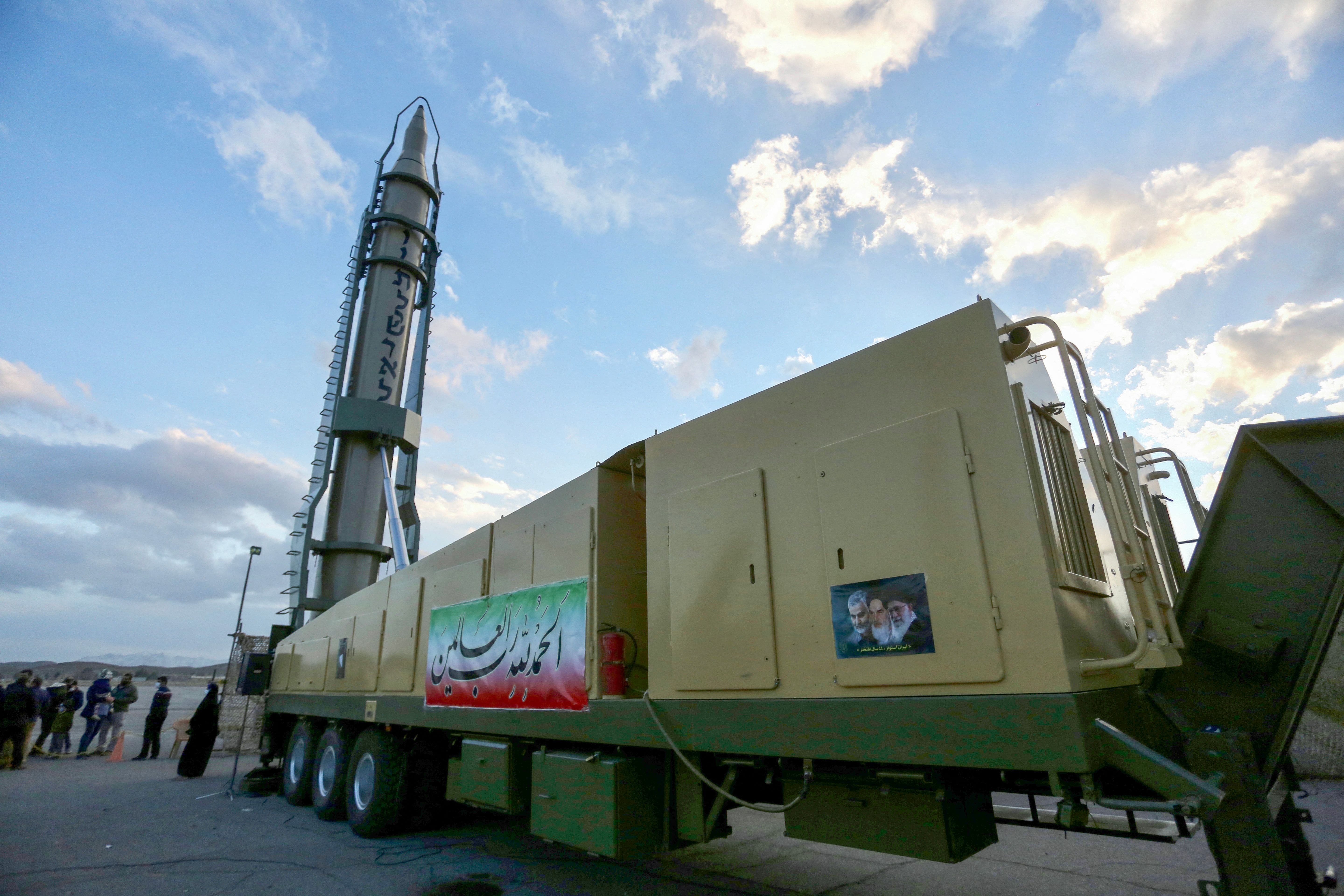
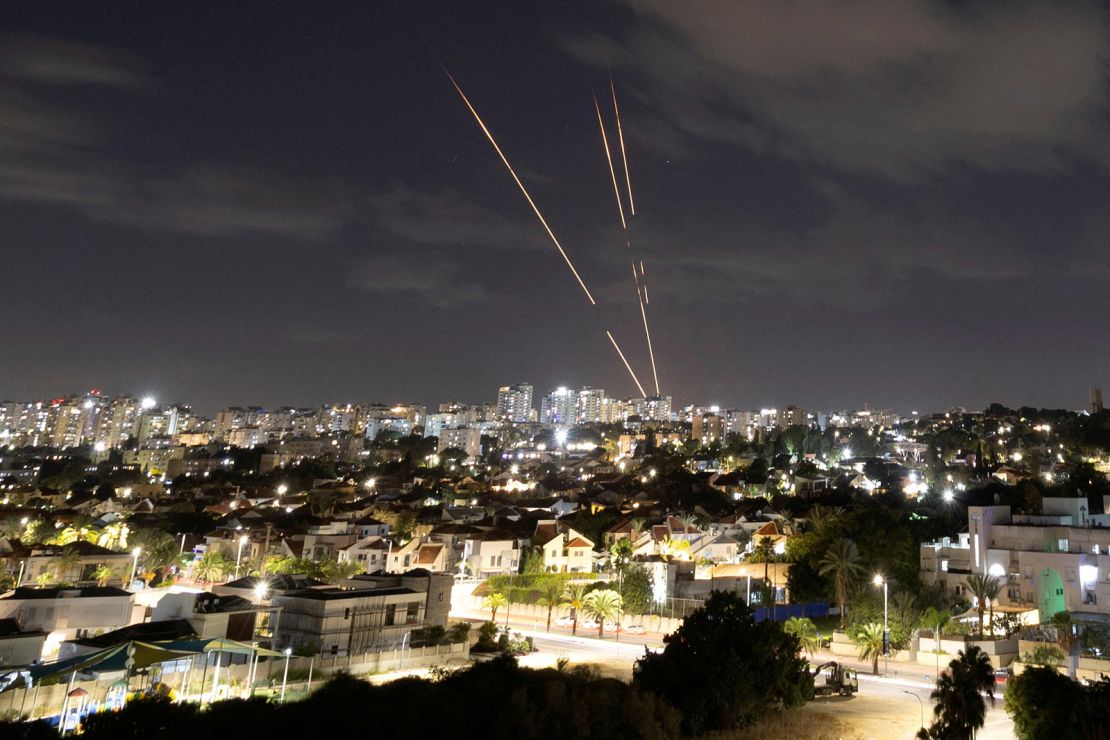
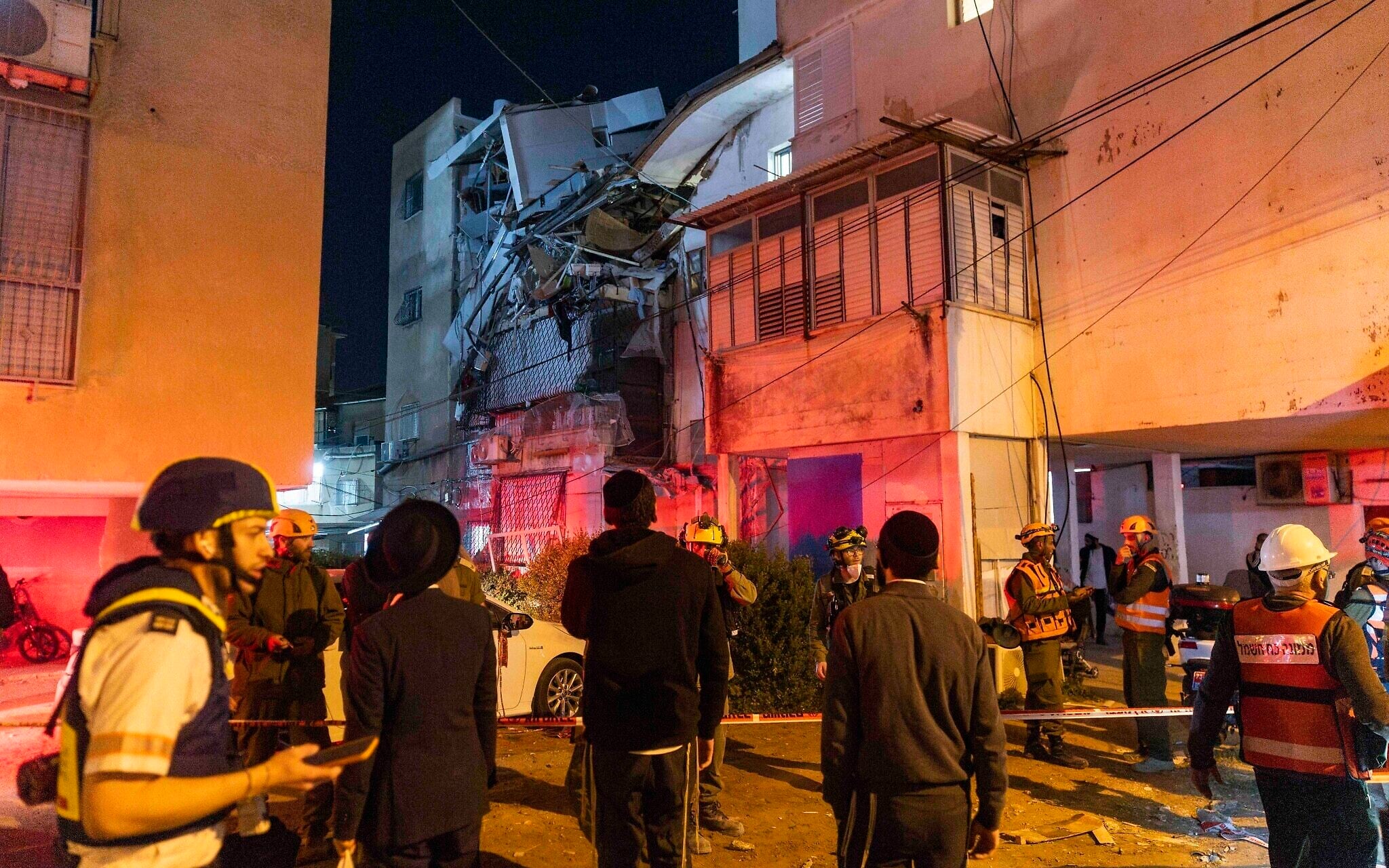
Iranian Missiles Strike Near Israel's Nuclear Site, Wounding 100+ — IDF Admits Air Defense Failure
Two coordinated Iranian ballistic missile barrages hit the Israeli towns of Dimona and Arad on Saturday, wounding at least 90 people including a 10-year-old in serious condition, after Israel's Patriot and Arrow batteries failed to intercept the incoming missiles for the first time in the conflict.
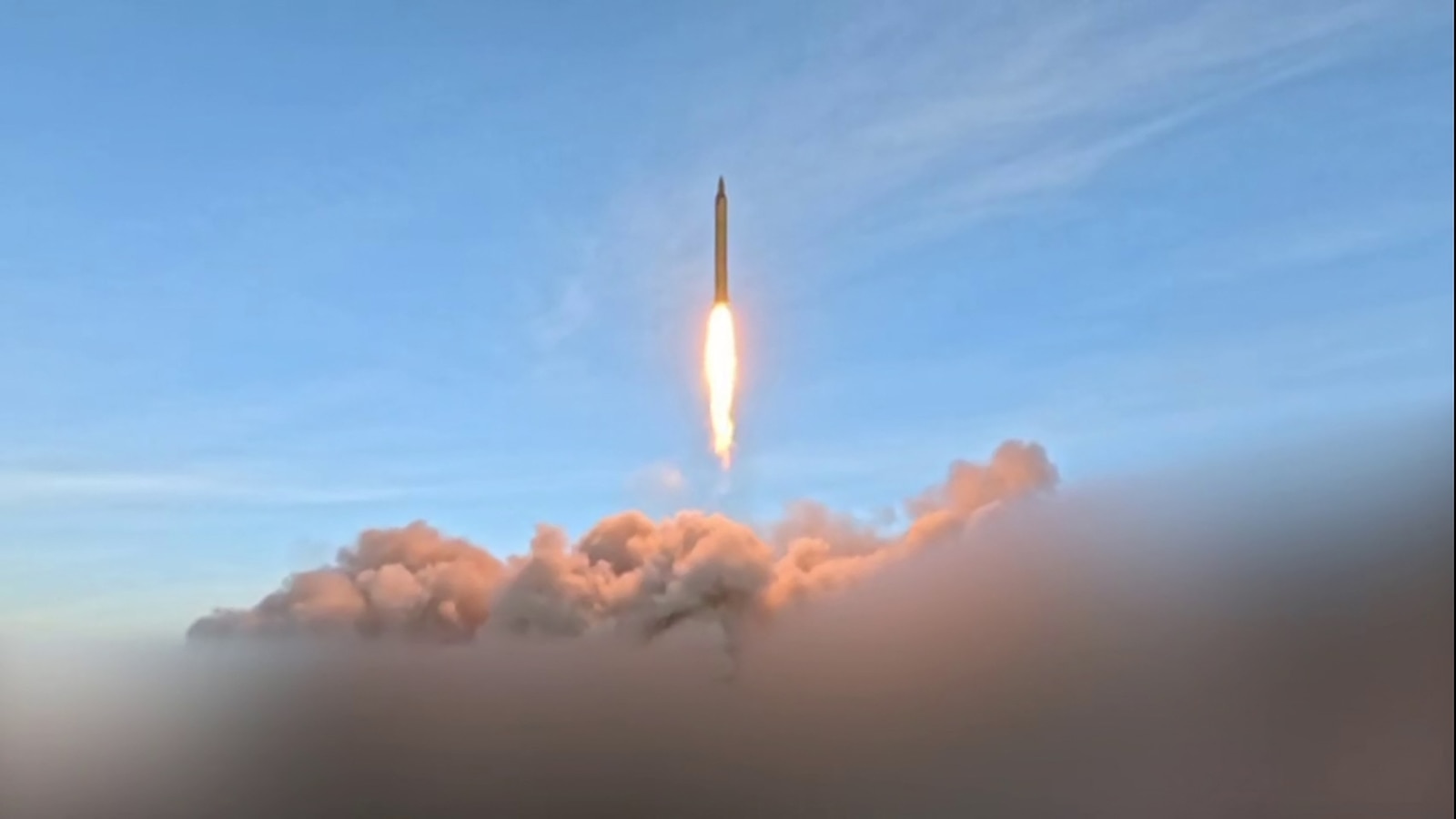
Iranian ballistic missiles struck two southern Israeli towns on Saturday in coordinated attacks that wounded more than 100 people and laid bare a significant failure in Israel's celebrated, multilayered missile defense network. The simultaneous strikes on Dimona and Arad — both located in the Negev desert near Israel's top-secret nuclear research facility — triggered panic across the country and intensified calls in Washington to either escalate military operations or pursue a diplomatic exit before the conflict widens further.
Forty-seven people were treated for injuries in Dimona, including a 10-year-old boy in serious condition, while 64 were wounded in the nearby town of Arad, with seven in serious condition and 15 in moderate condition. Hospitals across the Negev region treated patients for blast injuries, shattered glass wounds, burns, and acute psychological shock. In Arad, a six-story residential building suffered a direct hit, with rescue workers spending hours extracting residents from collapsed stairwells. Israeli Prime Minister Benjamin Netanyahu, speaking from a security briefing in Tel Aviv Saturday night, vowed to "continue to strike our enemies on all fronts" and promised a "forceful and disproportionate" retaliatory response within hours.
In an unusually candid admission, the Israel Defense Forces acknowledged that its Patriot and Arrow-3 missile defense batteries failed to intercept the Iranian missiles targeting the two towns. The IDF has intercepted more than 3,500 Iranian projectiles since the war began on February 28, using a layered system that includes Iron Dome for short-range rockets, David's Sling for medium-range missiles, and the Arrow system for long-range ballistic threats. Saturday's dual failures — at both targets simultaneously — suggested that Iran had deliberately timed and coordinated the salvos to overwhelm defense systems at the moment of maximum saturation, while Iran's forces were simultaneously firing nine ballistic missiles and four drones at Kuwait and three missiles and eight drones at the United Arab Emirates.
Iranian state television justified the missile strikes as a direct and symmetrical response to a U.S.-Israeli strike on Iran's Natanz nuclear enrichment facility, 135 miles southeast of Tehran. "We respond to every attack on our nuclear infrastructure with a strike on theirs," the IRGC said in a formal statement. The International Atomic Energy Agency, which monitors the Negev facility, confirmed that its sensors detected no damage to or radiation leak from the Negev Nuclear Research Center. Israel has never officially confirmed or denied operating nuclear weapons, but Western intelligence agencies assess that Israel possesses an estimated 80 to 90 warheads.
The geographic scope of the conflict has expanded dramatically over the past week. Iran also fired intermediate-range ballistic missiles at Diego Garcia, the joint U.S.-British military base in the Indian Ocean more than 2,500 miles from Iran, demonstrating a strike capability that European defense officials said brought several NATO member capitals "within theoretical range." The strikes on Diego Garcia did not penetrate main operating facilities, U.S. military officials said, but they triggered an emergency review of hardening measures at the base. Iran has now struck targets in Israel, Kuwait, the UAE, Qatar, and the Indian Ocean over the past four days.
President Trump, responding to the Dimona and Arad strikes, issued his 48-hour ultimatum to Iran Saturday night, threatening to destroy Iranian power plants beginning with the Damavand facility near Tehran if the Strait of Hormuz is not fully reopened. The strikes on Israeli population centers near the Negev research center are widely expected to accelerate any U.S. retaliatory timeline.