Iran Hangs 19-Year-Old National Wrestling Champion for Protesting — Family Says He Wasn't Even There
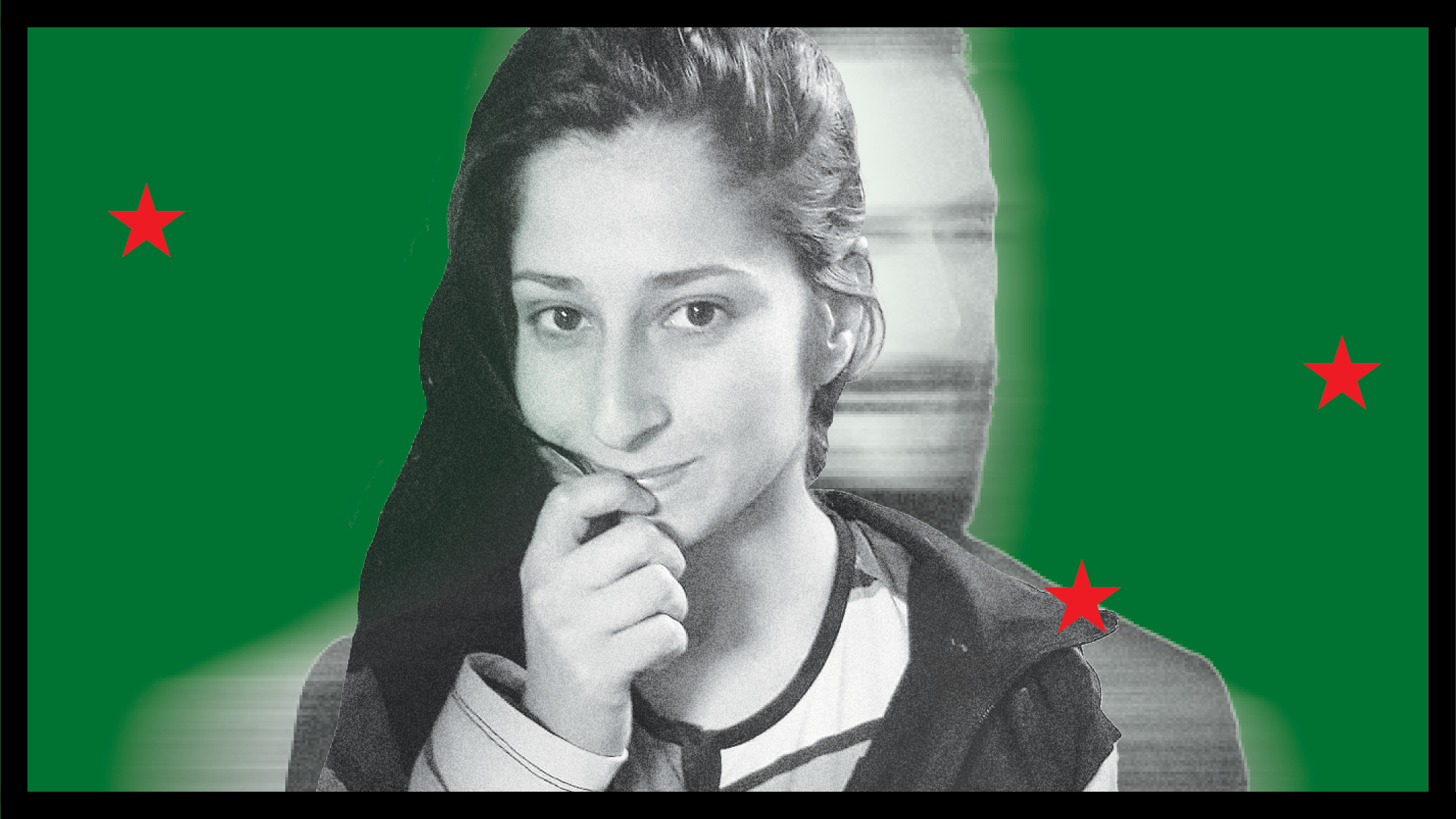
Saleh Mohammadi, a medal-winning wrestler arrested during January protests in Qom, was executed Thursday despite testimony from family, teammates, and coaches that he was at his uncle's home during the alleged attack on police officers.
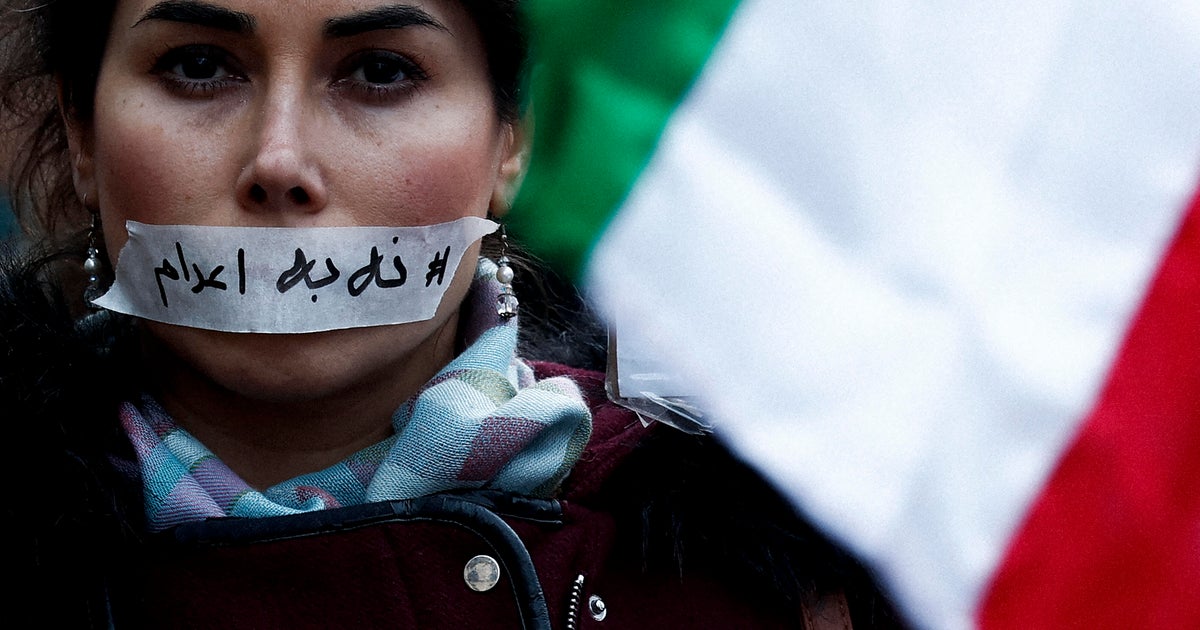
Iran hanged Saleh Mohammadi, a 19-year-old national champion wrestler, along with two other men in Qom Central Prison in the early hours of Thursday, March 19, marking the first executions since a wave of anti-government protests swept the holy city of Qom in January 2026. The Iranian judiciary said the three men were convicted of "enmity against God" (moharebeh) — the capital charge most frequently used against protesters and dissidents — after being accused of stabbing two police officers with knives and swords during the January 8 demonstrations. Rights groups immediately rejected the convictions as politically motivated, citing serious procedural violations and evidence that Mohammadi may not have been at the scene at all.
Mohammadi had won a bronze medal in September 2024 at the Saytiev International Cup in Krasnoyarsk, Russia, competing in freestyle wrestling for Iran's national team. His arrest in January — in the immediate aftermath of protests that erupted as anti-government sentiment intensified during the opening weeks of Iran's war with the United States and Israel — drew immediate international condemnation. The U.S. State Department had warned the Iranian government against executing protesters, and President Trump had threatened in February to take unspecified action if Iran proceeded with the executions. Those warnings went unheeded.
Amnesty International documented what it described as severe procedural violations in all three cases. In Mohammadi's case specifically, the organization said he was denied adequate legal defense, that initial confessions were obtained under torture, and that the proceedings were "fast-tracked in ways that bore no resemblance to a meaningful trial." The court record contained a key inconsistency: it noted that police officer Mohammad Qasemi Hompour suffered 29 stab wounds during the protest, but security camera footage at the scene did not capture Mohammadi's face at any point. His family, teammates, and coaches all testified that he was at his uncle's home at the time of the alleged attack — an alibi the court reportedly dismissed without explanation.
The international athletics community responded with outrage. World Athletics issued a statement calling the execution "an affront to the Olympic values of peace and human dignity." Several Iranian athletes who had defected or were competing abroad expressed fear that remaining colleagues inside Iran could face similar treatment, particularly those who had expressed solidarity with protesters. Iran's Olympic Committee did not publicly comment. Iran Human Rights, a Norway-based monitoring organization, said Iran has now executed more than 100 people linked to the January 2026 protests, making the crackdown one of the deadliest suppressions of protest in the Islamic Republic's history.
Analysts said the executions sent a deliberate message from Tehran at a moment when the regime faces the dual pressure of a devastating foreign war and domestic unrest. "This is the regime saying: we are fighting on multiple fronts, and we will show zero tolerance for internal dissent," said Dr. Arash Azizi, an Iran scholar at Clemson University. "The execution of a young national hero who may have been completely innocent is exactly the kind of act the regime deploys to create fear." Mohammadi's family, speaking through a representative in Oslo, said they were never officially notified of the execution until hours after it had taken place, learning first through social media. They called on international bodies to formally investigate the circumstances of his arrest, trial, and death.