Iran Accuses US of Violating Ceasefire as Israel Kills 303 in Lebanon's Deadliest Day
Tehran says continued Israeli strikes contradict the truce's terms; the White House disputes the interpretation as the fragile two-week agreement shows dangerous cracks.
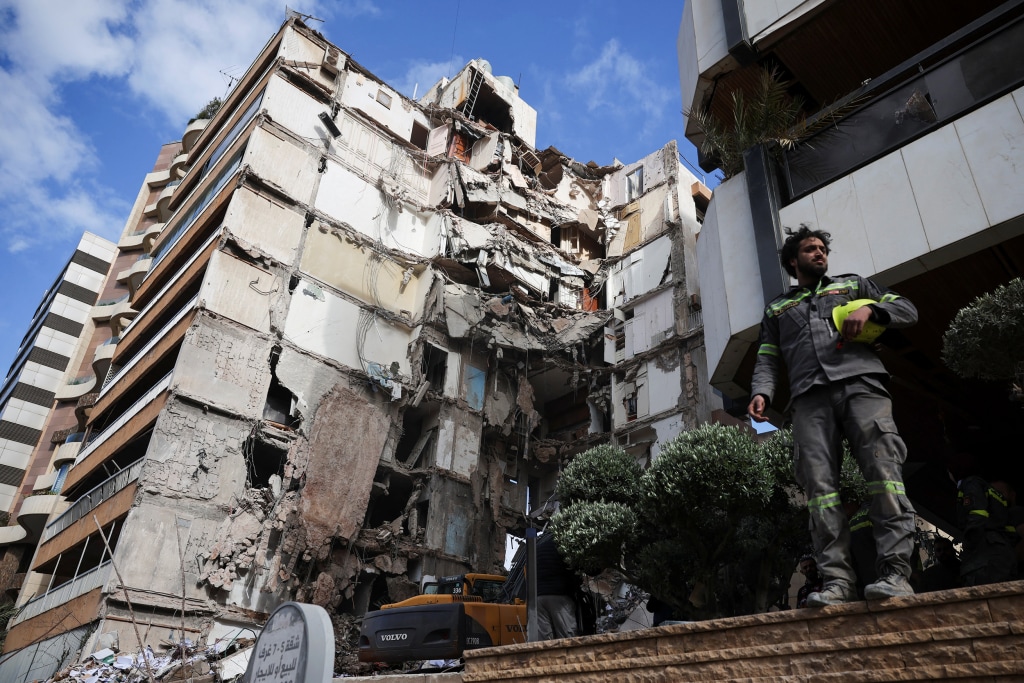
Iran formally accused the United States of violating the two-week ceasefire agreement Wednesday and Thursday, pointing to ongoing Israeli airstrikes that have killed more than 300 people in Lebanon in a single day — the deadliest since Israel's large-scale assault on Lebanese territory began on March 2. The accusation, which the White House immediately disputed, exposed deep fault lines in an agreement that was celebrated as a breakthrough just 48 hours ago and raised urgent questions about whether peace talks set to begin in Islamabad on Saturday can survive the mounting carnage.
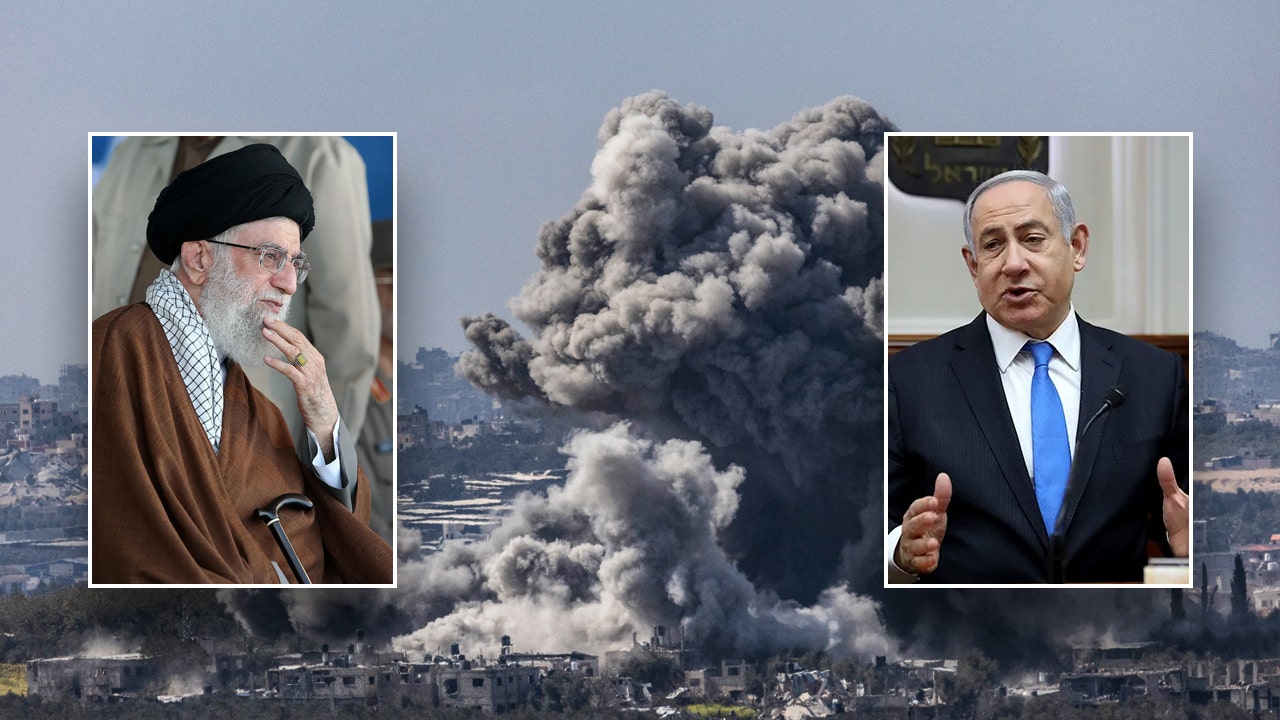
"Iran charges U.S. with violating ceasefire," the Iranian state news agency IRNA reported Thursday, citing senior officials who said the continued Israeli attacks in Lebanon contradicted the terms Tehran believes it negotiated. Iran's Supreme National Security Council issued a statement warning that "our hands are on the trigger" and that continued violations would produce consequences. Iran's Parliament Speaker Mohammad Bagher Ghalibaf, who is leading the Iranian delegation to Islamabad, stated that Israel's attacks are "a clear violation of the initial ceasefire agreement" and warned they would make the peace process "meaningless" if they continued.
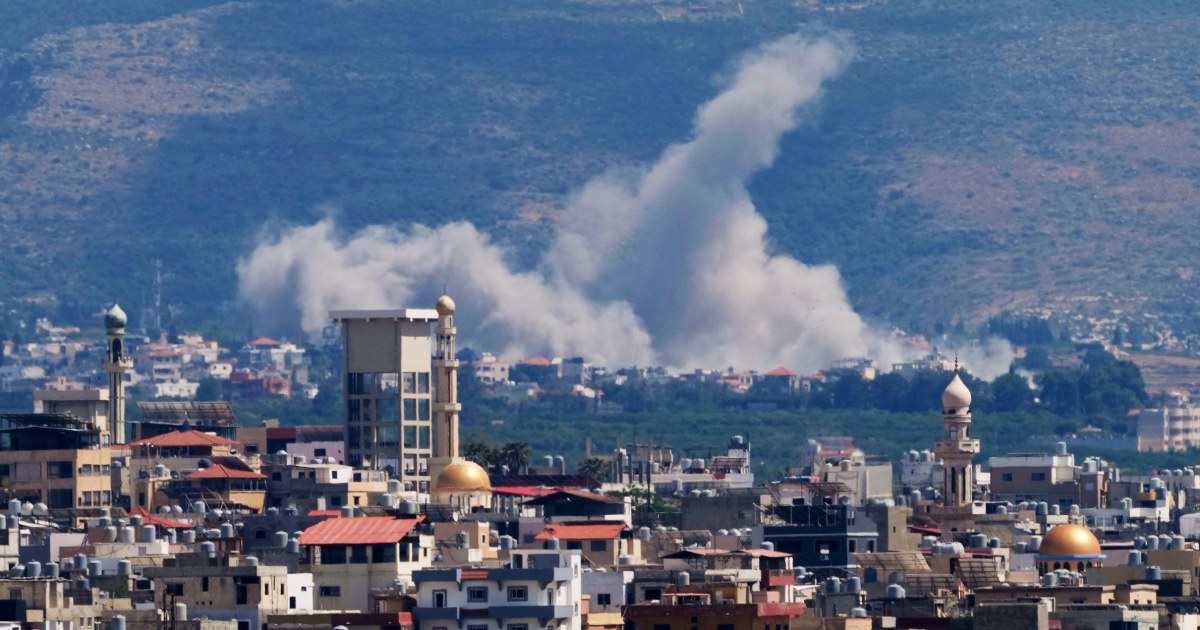
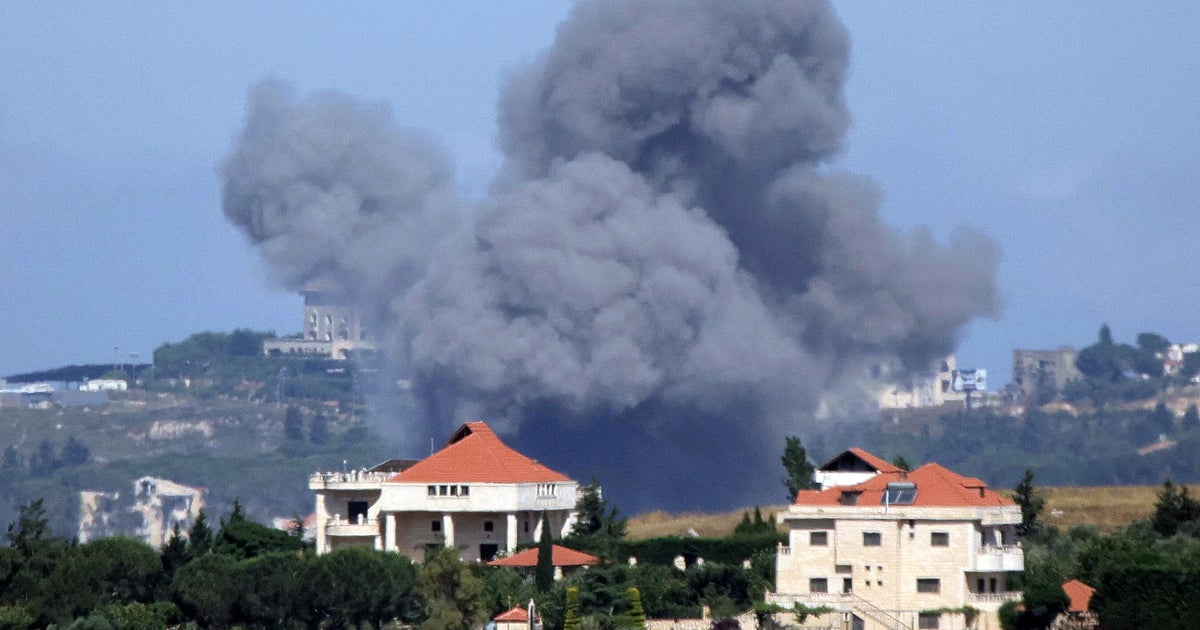
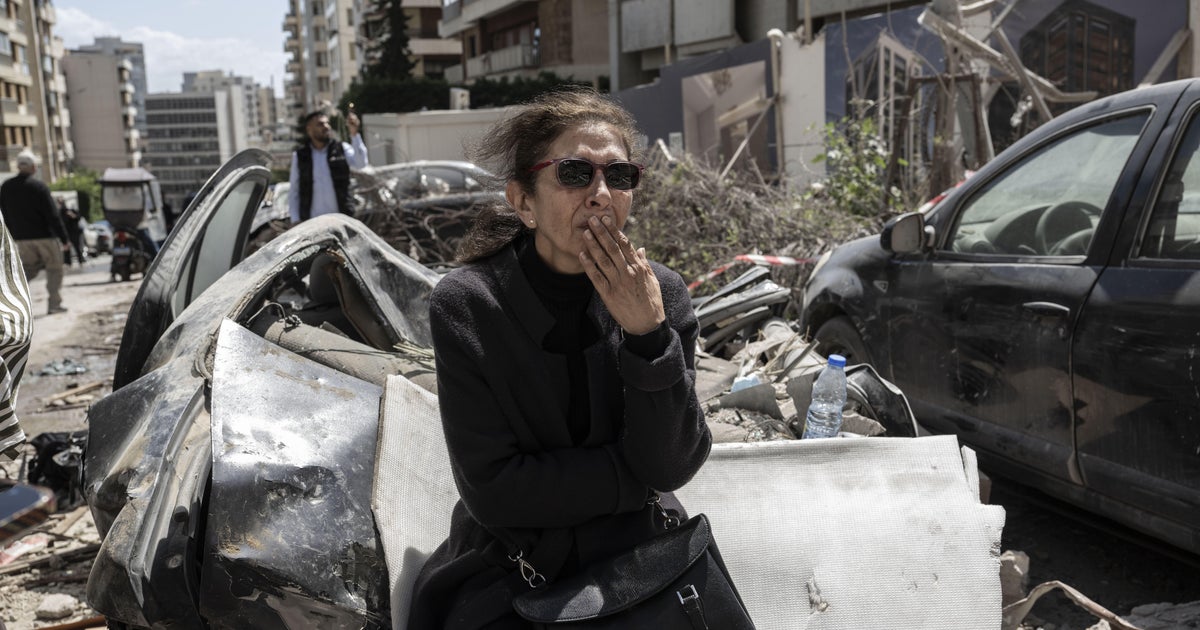
The specific attacks that drew Iran's condemnation occurred Wednesday, when Israel's military struck more than 100 Hezbollah targets in just 10 minutes, killing at least 303 people and wounding 1,160 more, according to Lebanon's Health Ministry. Total casualties in Lebanon since March 2 have risen to at least 1,739 killed and 5,873 wounded. Among the dead were a senior Hezbollah aide and a nephew of Hezbollah leader Naim Kassem. Israel's military said it targeted Hezbollah's headquarters, military installations, and command centers. Lebanon's civil defense reported deaths in commercial districts and residential neighborhoods across Beirut and the south.
Israel's position — backed publicly by the Trump administration — is that the U.S.-Iran ceasefire does not apply to Lebanon because the deal specifically covers the bilateral conflict between American and Iranian forces, not Israel's separate military campaign against Hezbollah. "Because of Hezbollah. They were not included," Trump told PBS NewsHour when asked about Lebanon's exclusion. Prime Minister Netanyahu echoed that stance, saying there is "no ceasefire in Lebanon" even as he simultaneously authorized direct peace talks with Beirut to begin next week at the State Department.
The contradictions have alarmed international observers. French President Emmanuel Macron emphasized that "the ceasefire will be fully respected by each of the belligerents, across all areas of confrontation, including in Lebanon." Lebanese President Joseph Aoun called the attacks "barbaric" and filed a formal complaint with the United Nations, with Lebanese Prime Minister Nawaf Salam describing the strikes as a "blatant violation" of international law. Pakistani Prime Minister Shehbaz Sharif, who brokered the ceasefire, explicitly stated in his announcement that Lebanon was included — a position Iran continues to cite.
The practical impact of the ceasefire on global shipping has also disappointed expectations. Only a handful of vessels have transited the Strait of Hormuz since the ceasefire was declared, with commercial operators citing confusion and safety concerns rather than returning to normal shipping routes. An Iranian security official wrote on Telegram that ships must coordinate with Iranian armed forces before transiting — a condition the Trump administration called unacceptable and said it amounted to Iran charging a toll. Trump warned Thursday on social media that if Iran is charging fees, "they better stop now."
Vice President Vance, asked about the ceasefire strains before departing for Islamabad, characterized the Lebanon dispute as a "legitimate misunderstanding" about the agreement's scope — a diplomatic characterization that few in Beirut or Tehran appeared to share. Whether the Saturday talks can paper over the fundamental disagreement about Lebanon's status, even temporarily, will determine whether the ceasefire becomes a foundation for peace or a brief pause before renewed conflict.