IMF Chief Warns Iran War Will Trigger Higher Inflation and Slower Global Growth — Even If Fighting Stops Now
IMF Managing Director Kristalina Georgieva told Reuters that 'all roads now lead to higher prices and slower growth,' as the war has already triggered what she called the worst-ever disruption to global energy supply.

International Monetary Fund Managing Director Kristalina Georgieva delivered a stark assessment of the global economic outlook on Monday, warning that the U.S.-Israel war on Iran has already triggered the worst-ever disruption in global energy supply and will drive higher inflation while slowing growth worldwide — even if the fighting stops immediately.
"All roads now lead to higher prices and slower growth," Georgieva told Reuters in an interview ahead of the IMF's annual spring meetings in Washington. She noted the damage was already locked in: "Even if the war is to stop today, there would be a lingering negative impact to the rest of the world." The remarks previewed what economists expect will be a significant downgrade to the Fund's global growth projections when it releases its World Economic Outlook on April 14.
Before the war broke out on February 28, the IMF had expected to issue a small upgrade to its forecast of 3.3 percent global growth in 2026 and 3.2 percent for 2027. Now, fund economists are working on a range of scenarios reflecting varying degrees of energy disruption. Oil prices have risen roughly 60 percent since hostilities began, with Brent crude trading near $110 a barrel and the U.S. national average gasoline price hitting $4.12 a gallon — up from $2.98 before the conflict. Jet fuel has more than doubled, prompting European airports to begin rationing refueling and Asian nations to announce emergency energy measures.
The economic pain falls disproportionately on the world's poorest nations, Georgieva said, singling out countries in sub-Saharan Africa and South Asia that hold minimal strategic oil reserves and rely heavily on imported fuel for electricity generation, food production, and transportation. "Poor, vulnerable nations with no energy reserves will be hit the hardest," she said, urging wealthy countries and multilateral lenders to accelerate concessional financing to avoid a wave of sovereign debt crises in the developing world.
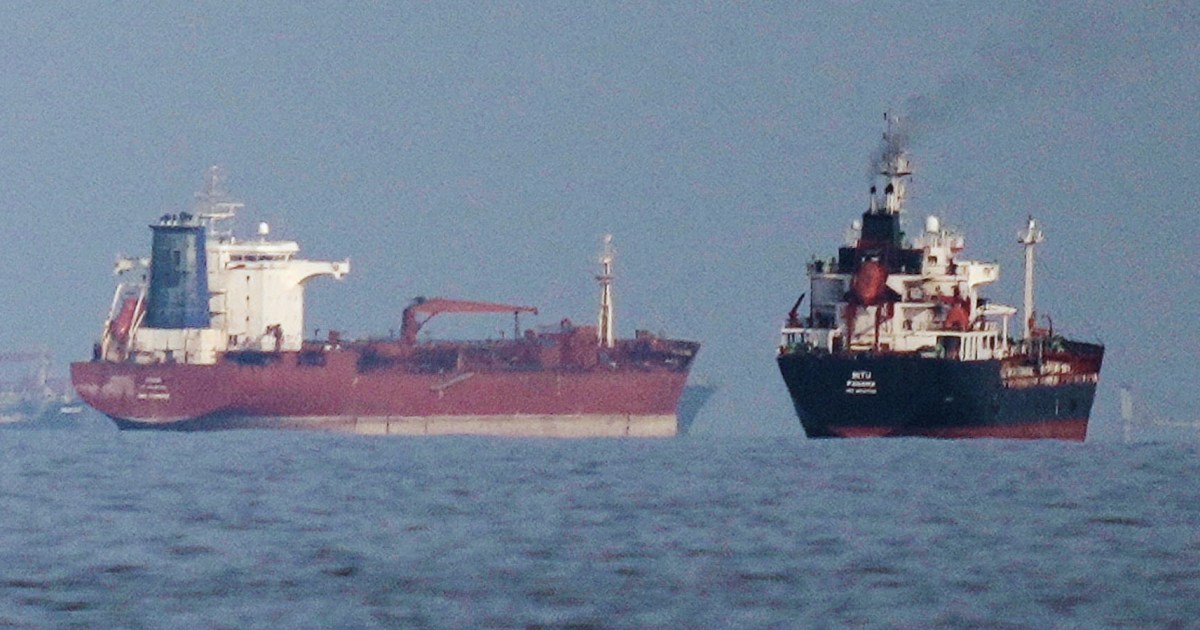
Beyond energy, the IMF flagged second-order effects that could prove equally damaging. Supply chain disruptions linked to the Strait of Hormuz closure have rippled through global goods trade, with container shipping costs spiking as carriers reroute vessels around the Cape of Good Hope rather than transit the Persian Gulf. The detour adds roughly three weeks to transit times for Asia-to-Europe cargo, pressuring inventories and pushing up costs for manufacturers across sectors. Food commodities — including grains, cooking oils, and fertilizers whose trade routes run through the strait — are also under pressure.
Georgieva's warning came as finance ministers and central bank governors from major economies begin gathering in Washington for the IMF-World Bank spring meetings, which open formally later this week. Multiple delegations are expected to raise the Iran war as their top economic concern, according to officials briefed on the agenda. The European Central Bank, the Bank of England, and several emerging-market central banks have all signaled they are watching the energy situation closely and may delay planned interest rate cuts if inflation data deteriorates sharply in April and May.