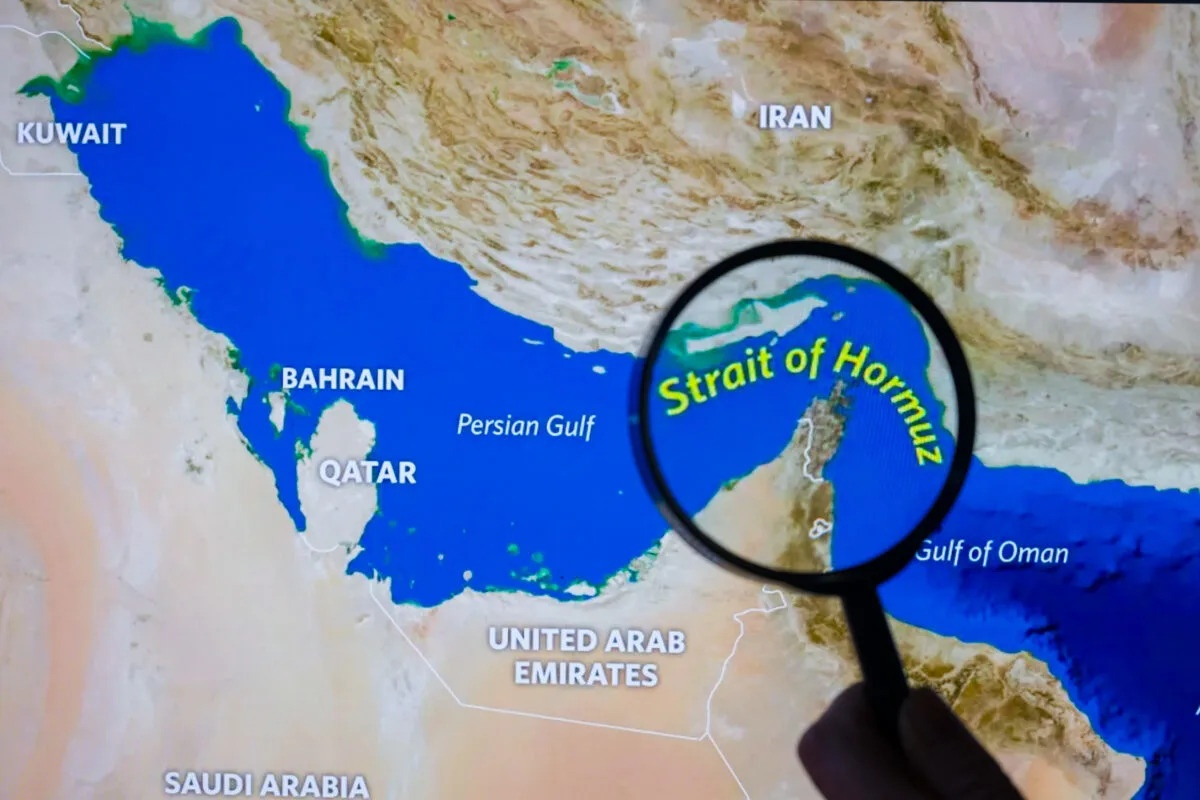
IMF Cuts Global Growth Forecast to Decade Low as Iran War Sends Oil to and Darkens Outlook
The International Monetary Fund's April 2026 World Economic Outlook slashes global growth to 3.1% — the weakest since the pandemic — warning that a severe scenario could push worldwide growth below 2% and inflation above 6% if the Strait of Hormuz crisis extends into 2027.
The International Monetary Fund delivered one of its starkest economic warnings in years this month, slashing its global growth forecast to 3.1% for 2026 in a report titled "Global Economy in the Shadow of War," citing the U.S.-Iran conflict as the central driver of deteriorating economic conditions worldwide.
The April 2026 World Economic Outlook, released at the IMF's Spring Meetings in Washington on April 14, marks a significant downgrade from the 3.4% growth recorded in 2024 and 2025, and falls well below the pre-pandemic historical average of 3.7%. IMF economists identified the war and the ongoing disruption to oil shipping through the Strait of Hormuz — through which roughly 20% of globally traded oil normally passes — as the dominant shock reshaping global economic conditions.
Oil prices have surged to approximately $105 per barrel, driven by maritime navigation disruptions following the partial closure of the Strait of Hormuz. The energy shock has rippled outward into virtually every sector of the global economy, from jet fuel shortages threatening summer airline schedules across Europe and Asia to fertilizer cost increases affecting food prices in developing countries.
Global headline inflation is now projected at 4.4% for 2026, a sharp reversal of the disinflation trends of 2023 and 2024, with the IMF expecting only a gradual return to lower inflation in 2027 as energy markets adjust. "The global economy is navigating one of its most challenging periods since the pandemic," IMF Chief Economist Pierre-Olivier Gourinchas said. "The war has introduced a persistent supply shock that interacts badly with already-elevated debt levels and geopolitical fragmentation."
Country-level forecasts show significant variation. The United States is projected to grow at 2.4% in 2026 — an upward revision of 0.3 percentage points from the IMF's October forecast, reflecting a modest rebound following the resolution of a federal government shutdown earlier in the year. China's growth was revised slightly downward to 4.4%, benefiting from lower U.S. tariff rates and domestic stimulus measures but constrained by slowing export demand from war-affected economies.
The Middle East and Central Asia region faces the sharpest downgrade, with growth projected at approximately 1.9% — a severe deterioration from expectations at the start of the year. Saudi Arabia's outlook was cut by roughly 1.4 percentage points, with oil sector GDP revised down more than 3 percentage points as the kingdom's production capacity is strained by the conflict's distortions of regional energy markets. South Korea's Kospi index bucked broader trends to reach a record high on Monday, bolstered by tech stocks insulated from the energy shock, but the broader emerging-market picture remains dark.
The IMF outlined two adverse scenarios beyond its baseline forecast. In a moderately adverse scenario, global growth would fall to 2.5% while inflation climbs to 5.4%. In a severe scenario — defined as energy supply dislocations extending through 2027 — global growth would collapse to 2.0% and inflation would exceed 6.0%, approaching levels not seen in the developed world since the 1980s.
The report identifies four compounding risk factors: the prolonged U.S.-Iran conflict and its energy market ramifications; deeper geopolitical fragmentation of trade and capital flows; the possibility that AI-driven productivity gains fail to materialize as quickly as markets have priced in; and the resurgence of trade tensions between major economies. The Netherlands allocated more than $1.1 billion in relief spending to cushion fuel cost impacts on consumers, while France characterized both the U.S. naval blockade and Iran's threat to close shipping lanes as mistakes that would harm innocent third parties.
The fund renewed calls for central banks to maintain credibility in their inflation mandates, warning that premature easing would risk embedding expectations of higher long-run inflation. It also urged governments to build fiscal buffers rather than resort to stimulus spending that could amplify price pressures. U.S. Federal Reserve chair nominee Kevin Warsh, appearing before the Senate Banking Committee on April 21, was pressed on the fund's forecasts. Warsh declined to endorse or dispute specific IMF projections but said the Fed would remain "data-dependent" in its approach to interest rate policy — a stance that satisfied neither hawks nor doves on the committee.