IAEA Director Warns of Catastrophic Radiological Risk as Strike Lands 75 Meters from Iran's Bushehr Nuclear Plant
The UN nuclear watchdog said a projectile killed one worker and struck within 75 meters of the reactor perimeter on April 4 — the fourth such incident near Bushehr — raising alarms about a potential Caesium-137 release across the Gulf region.

The United Nations' atomic energy watchdog warned Monday that military strikes near Iran's Bushehr Nuclear Power Plant have brought the conflict "dangerously close" to triggering a severe radiological accident that would contaminate much of the Persian Gulf region and potentially beyond.
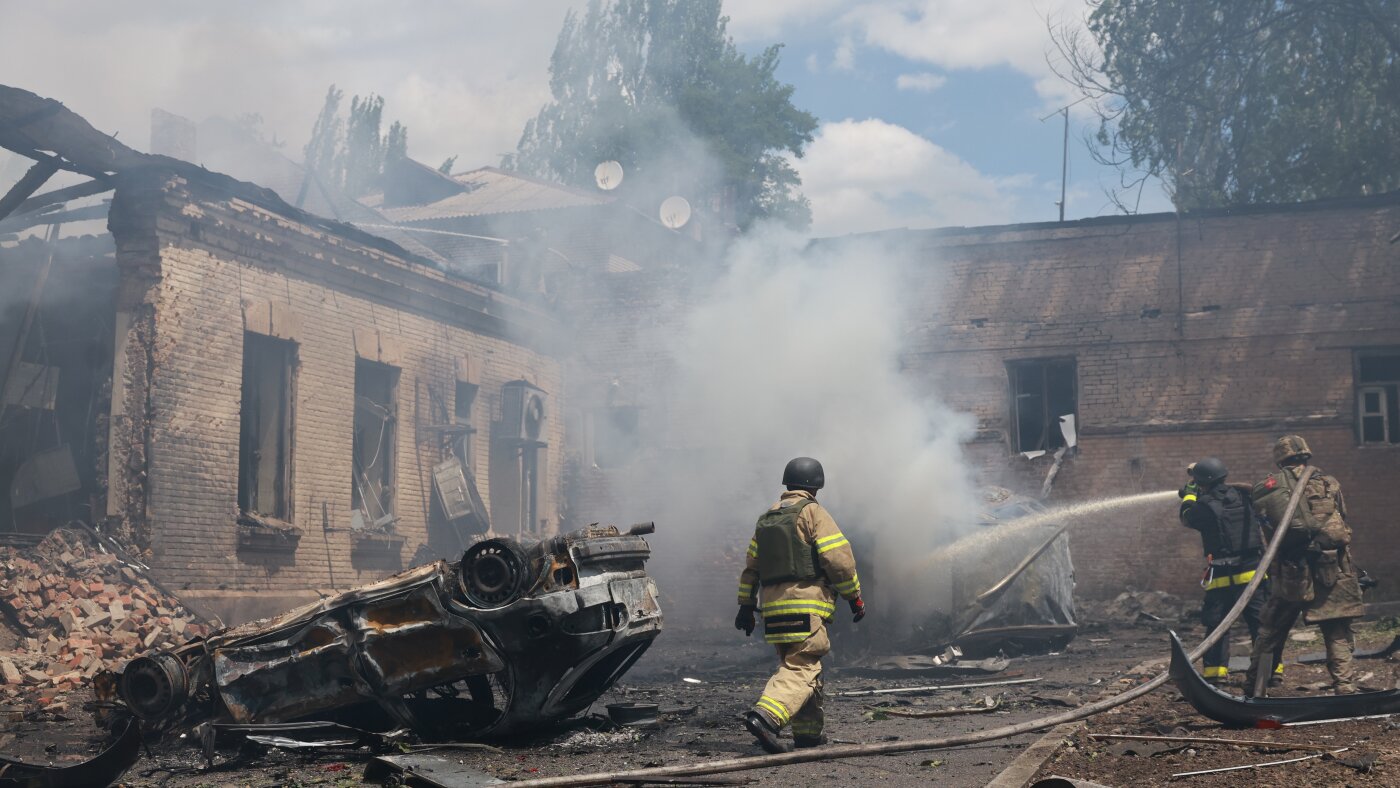
International Atomic Energy Agency Director General Rafael Grossi told reporters in Vienna that a projectile struck the premises of the Bushehr facility on April 4, killing one member of the plant's physical protection staff and damaging a building through shockwaves and shrapnel. The strike landed just 75 meters from the reactor's perimeter fence — the closest any projectile has come to the operating reactor since the U.S.-Israeli military campaign against Iran began on February 28.
"Nuclear power plant sites or nearby areas must never be attacked," Grossi said in a statement issued Monday. "I call for maximum restraint to avoid the risk of a nuclear accident." He added that a direct hit on the reactor's core or the spent fuel storage pools could trigger the release of Caesium-137 into the atmosphere — a radioactive isotope that can be dispersed by wind across vast areas, contaminating food, water, and soil for decades.
IAEA monitoring equipment detected no elevation in radiation levels above normal background readings following the strike, and the reactor itself remained online and generating power. However, the agency cautioned that auxiliary buildings — including those hit in Thursday's strike — may house critical safety systems such as cooling pumps, backup power generators, and emergency shutdown equipment. Damage to those systems, even without a direct hit on the reactor vessel, could theoretically cascade into a loss-of-coolant accident.
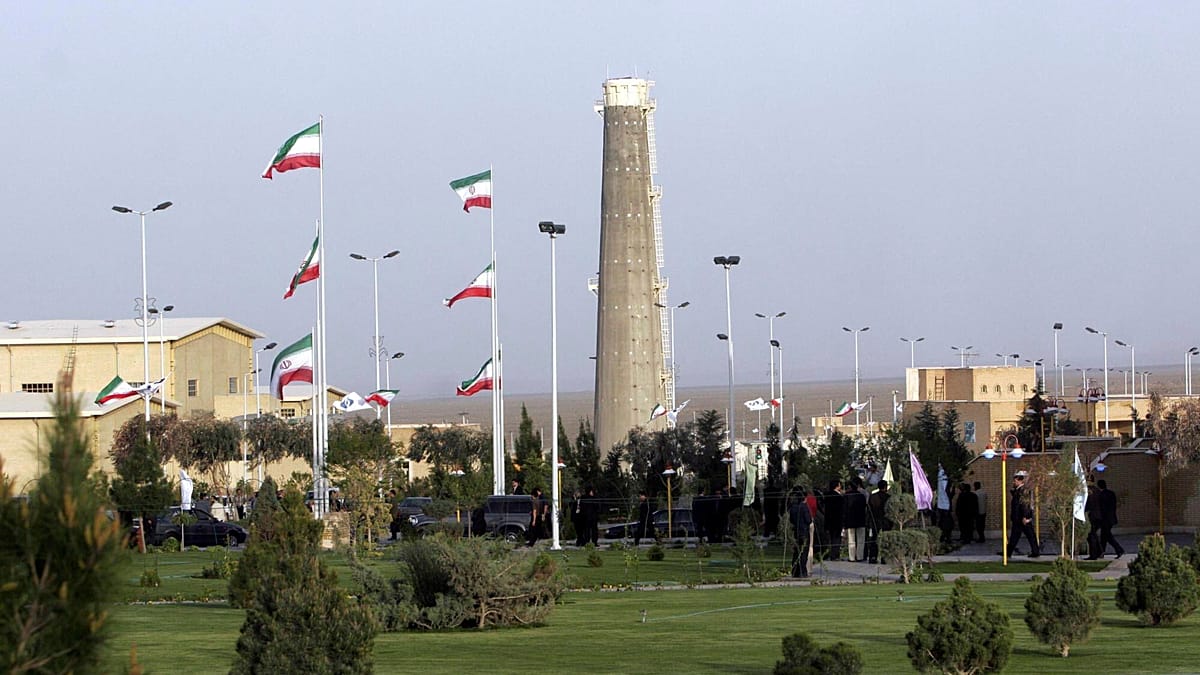
Bushehr, located on Iran's southwestern coast along the Persian Gulf, is the country's only operating commercial nuclear power plant. Built with Russian assistance and brought online in 2011, it uses enriched uranium fuel and generates approximately 1,000 megawatts of electricity for the national grid. The facility operates under IAEA safeguards, and Russia's Rosatom company continues to provide technical support.
This was the fourth strike in the vicinity of Bushehr since the war began. An earlier strike in late March destroyed a structure 350 meters from the reactor. Iran's foreign minister described the proximity of the impacts as a "grave radiological risk" and accused the United States and Israel of deliberately targeting civilian nuclear infrastructure in violation of the IAEA's Seven Indispensable Pillars for nuclear safety during armed conflict.
The European Union condemned the strikes near the facility, calling them a "reckless escalation with potentially catastrophic consequences." France, Germany, and the United Kingdom issued a joint statement urging both parties to respect the absolute prohibition on attacking nuclear facilities under international humanitarian law. Russia, which built the reactor and has a legal obligation to repatriate its spent fuel, issued a sharply worded statement demanding guarantees of the plant's safety.
The potential for a nuclear accident at Bushehr has alarmed Gulf states, which lie downwind and downstream of the facility. The United Arab Emirates, Qatar, and Bahrain — all hosting American military bases — have quietly raised concerns in bilateral consultations with Washington. A radiological release from Bushehr could contaminate desalination plants that provide drinking water to millions of people across the Gulf region. Environmental models indicate that in the event of a major release, radioactive plumes could reach the coasts of Oman, the UAE, and Qatar within 24 to 48 hours depending on wind conditions.