Houthis Fire First Ballistic Missiles at Israel, Opening New Front in Month-Old Iran War
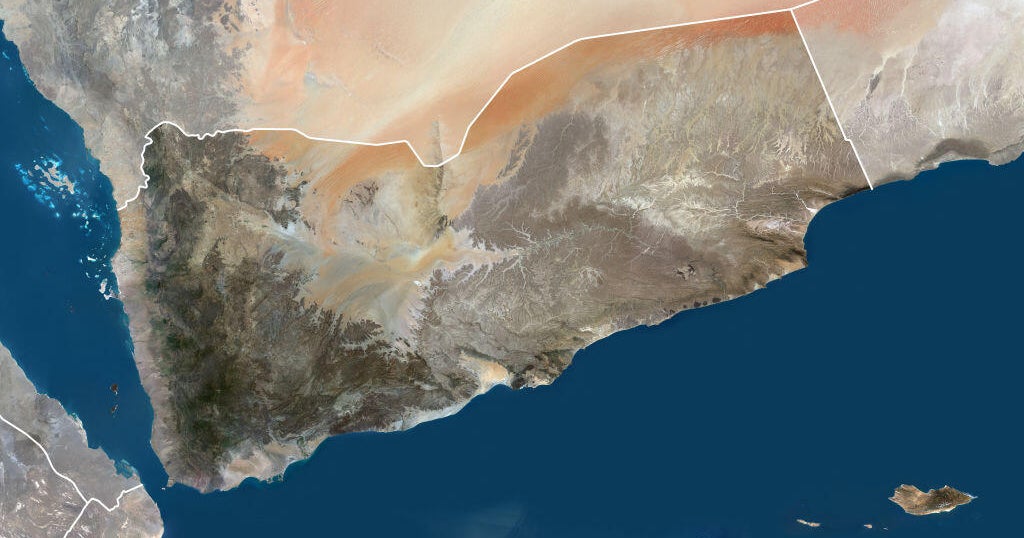
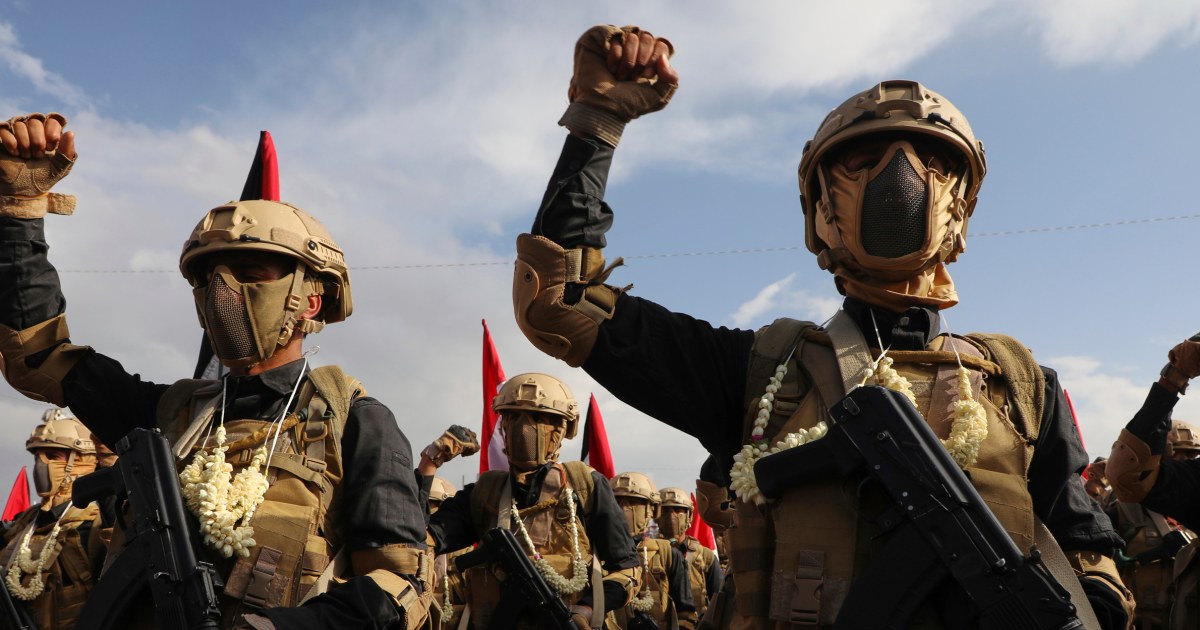
Yemen's Iran-backed rebels claimed responsibility for two separate ballistic missile launches targeting southern Israel on Saturday, their first direct military action since the U.S.-Israel war on Iran began February 28.
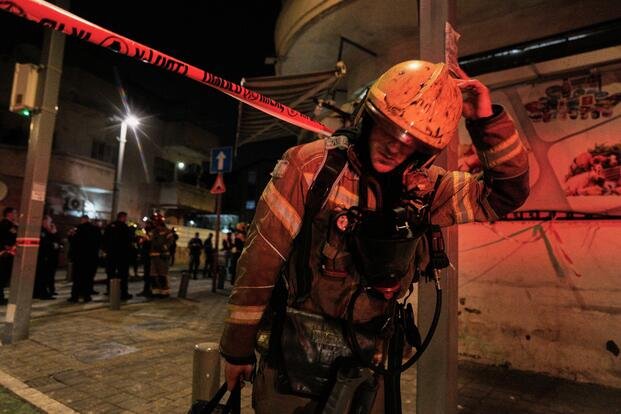
Yemen's Houthi rebels launched their first ballistic missiles at Israel on Saturday, marking a significant escalation in the month-old U.S.-Israel war on Iran and opening a dangerous new front in the conflict. Houthi military spokesman Brigadier-General Yahya Saree announced in a statement broadcast on the group's Al-Masirah satellite network that the attack targeted "sensitive Israeli military sites" in southern Israel, specifically near the city of Beersheva — which also sits close to Israel's Dimona nuclear research complex. The Israeli military said it successfully intercepted the initial missile. Hours later, a second Houthi ballistic missile was fired at Israel; it, too, was intercepted. No casualties or structural damage were reported in either attack.
The Houthis' entry into the conflict marks a new phase in a war that began on February 28, when the United States and Israel launched a coordinated campaign of airstrikes on Iran with the stated goal of eliminating Tehran's nuclear weapons program and inducing regime change. Since then, the conflict has spread into Lebanon, Syria, and the waters of the Persian Gulf, and the United States has suffered multiple casualties from Iranian retaliatory strikes on American military facilities in Saudi Arabia and Qatar. The Houthis, who control large portions of Yemen and fought a prolonged civil war against a Saudi-led coalition, had previously maintained an uneasy ceasefire with Saudi Arabia and stayed out of the current conflict, despite ideological and material ties to Tehran.
Saree vowed the attacks would continue "until the aggression against all fronts of the resistance ceases," signaling that the Houthis intend to sustain pressure on Israel as long as U.S. and Israeli military operations against Iran continue. Defense analysts warned Saturday that the Houthis' entry into the war raises the prospect of renewed attacks on commercial shipping in the Red Sea — a tactic the group employed extensively during the 2023–2024 period in solidarity with Palestinians in Gaza, and which significantly disrupted global trade routes. Several major shipping companies suspended Red Sea transits following Saturday's missile launches pending further assessment.
The dual launches came as additional U.S. naval assets and thousands of Marines arrived in the broader Middle East region, with the Pentagon visibly increasing its forward presence. Senior U.S. military officials acknowledged this week that the war is unlikely to conclude within the initial four-to-six-week timeline that had been projected in late February. Vice President JD Vance appeared on Fox News Saturday and said the conflict would continue "a little while longer," while President Trump, who separately extended a deadline for Iran to reopen the Strait of Hormuz to April 6, claimed in a social media post that talks with Iranian representatives were "ongoing."
At least 1,189 people have been killed and 3,427 wounded in Lebanon since Israeli military operations there began on March 2, according to Lebanon's Ministry of Public Health. The Iranian Red Crescent has reported that more than 1,900 people have been killed inside Iran since the war began, with significant civilian casualties documented in residential neighborhoods of Tehran, Isfahan, and Mashhad. As the Houthis enter the fray and international pressure on Washington mounts, diplomats in Oman and Qatar are reported to be quietly exploring whether a temporary ceasefire framework can be established before the conflict grows further. Saturday's missile launches make those diplomatic efforts substantially more complicated.