Houthis Fire Ballistic Missiles at Israel for First Time as Iran War Expands Beyond Its Borders
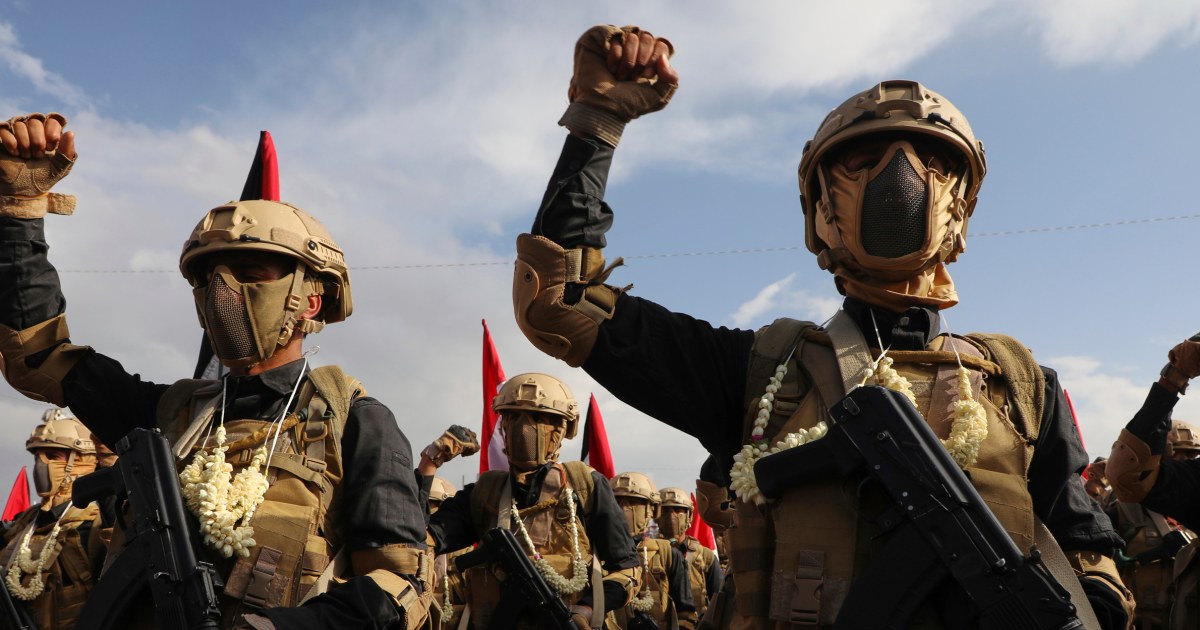
Yemen's Houthi movement launched a volley of ballistic missiles at Israel on Saturday — the first time since the US-Israel campaign against Iran began — widening the conflict as Kuwait shot down drones and a Saudi oil facility was hit.

Yemen's Houthi movement launched ballistic missiles at Israel on Saturday for the first time since the US-Israel military campaign against Iran began 30 days ago, marking a dangerous new escalation that threatens to transform a war between two nations into a multi-front regional conflict. The missile launches — which Israel's air defense systems intercepted — came on the same day that Kuwait shot down four drones and Saudi Arabia intercepted ten more, signaling a coordinated Iranian proxy network flexing its reach across the Gulf.
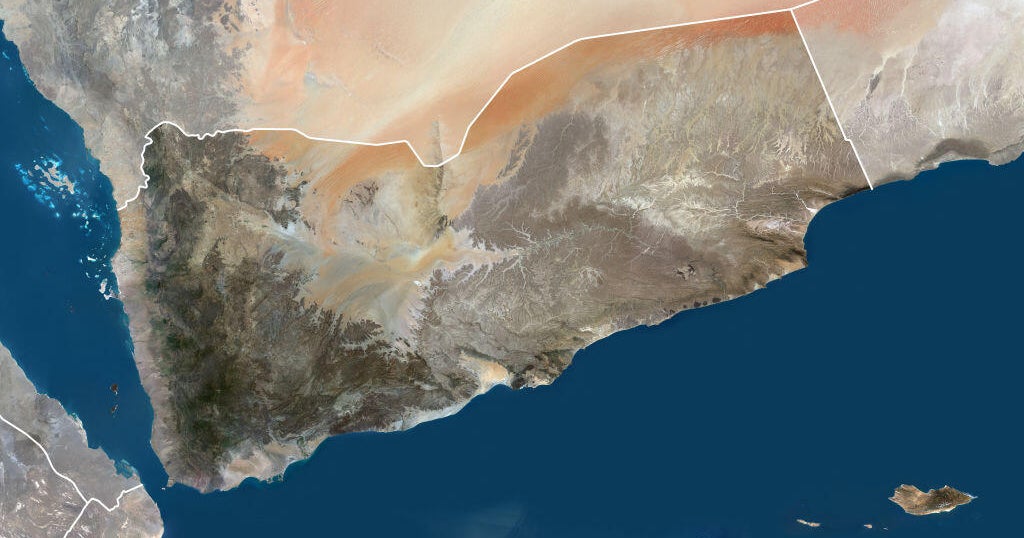
The Houthis, who have been firing drones and missiles at commercial shipping in the Red Sea since late 2023, had initially held back from direct strikes on Israeli territory after the US-Israel campaign against Iran began on March 1. Saturday's launch represented a strategic decision to enter the conflict directly, possibly coordinated with Tehran as a show of force during ceasefire negotiations. The missiles were fired from Houthi-controlled territory in western Yemen toward southern Israel; the Israeli military confirmed the launches were intercepted and that no casualties were reported.
The widening circle of attacks underscored the risk that the Iran war could ignite multiple simultaneous fronts. In Iraq, US aircraft struck positions held by the Popular Mobilization Forces — Iran-aligned militias — in Mosul and Salah ad-Din province after a series of rocket attacks on bases housing American troops. An Iranian ballistic missile landed in an open area near Beersheba, Israel, shattering windows in nearby homes, while Lebanon saw continued Israeli strikes that have killed at least 1,189 people since March 2, including at least 124 children, according to Lebanese health authorities.
Iranian Navy Chief Shahram Irani issued an explicit threat against the USS Abraham Lincoln carrier strike group operating in the Arabian Sea, saying Iranian forces would target the vessel if it approached within firing range. The Pentagon responded by announcing that a second carrier strike group had been ordered to the region as a deterrent. US European Command officials said separately that NATO allies had been briefed on military planning but that no European nations had agreed to provide direct combat support.
"The Houthis entering this fight changes the strategic calculus," said a former US Central Command official speaking on background. "We now have Iranian proxies engaging from Yemen, Lebanon, Iraq, and Syria simultaneously. The question is whether that accelerates diplomacy or hardens positions on both sides." The Houthi leadership, in a statement read on Al-Masirah television, said the missile launches would continue "until the American-Zionist aggression against our brothers in Iran stops."
Israel's military said it was prepared for further Houthi strikes and that its layered air defense network — including Iron Dome, David's Sling, and Arrow systems — remained fully operational. Prime Minister Benjamin Netanyahu convened an emergency security cabinet meeting Saturday evening, though no statement was issued afterward. US officials said Trump was briefed on the Houthi launches and was monitoring the situation but had not ordered any immediate retaliatory action against Yemen.