Greece Plans Social Media Ban for Children Under 15 Following Global Trend
Mediterranean nation joins Australia and Spain in restricting teenage access to social platforms amid growing concerns over digital wellbeing.
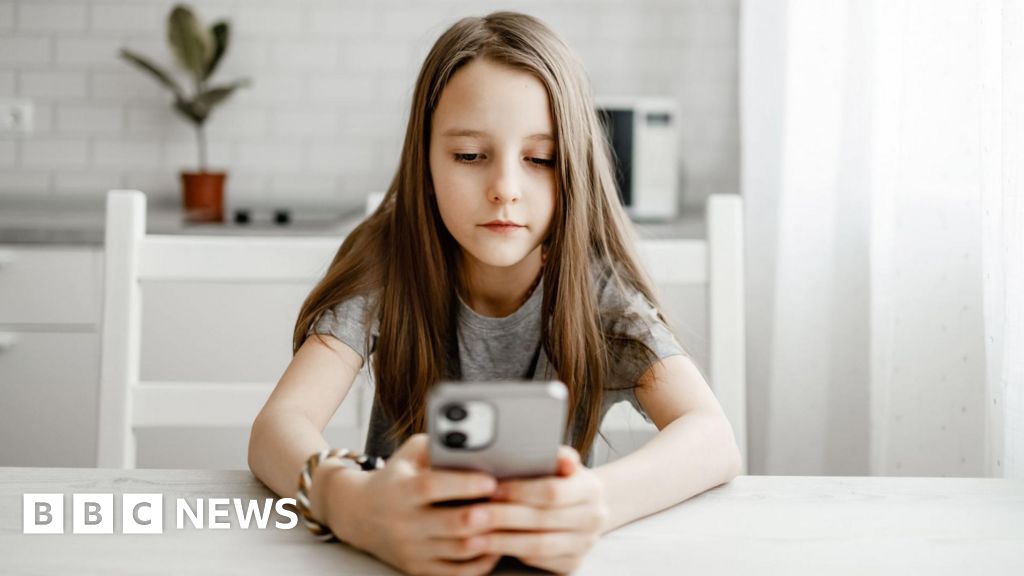
Greece announced plans to block social media access for children under 15 years old, joining a growing international movement to restrict teenagers' exposure to digital platforms amid mounting concerns about their impact on youth mental health and development. The Mediterranean nation becomes the latest country to pursue comprehensive social media restrictions, following similar initiatives in Australia and Spain that have gained momentum worldwide as governments grapple with the consequences of widespread teen social media use.
The proposed Greek legislation reflects increasing alarm among policymakers, educators, and parents about the effects of social media platforms on developing minds. Research has linked excessive social media use among teenagers to increased rates of anxiety, depression, sleep disorders, and body image issues. Greek officials cited these health concerns as primary motivations for the ban, arguing that protecting children during critical developmental years outweighs concerns about limiting digital access and communication freedoms.
Greece's approach builds on pioneering efforts by other nations that have already implemented or are developing similar restrictions. Australia made international headlines by passing comprehensive social media bans for minors, while Spain has been working on its own legislative framework to limit platform access for young users. These countries have faced significant implementation challenges, including questions about age verification technology, enforcement mechanisms, and potential workarounds that tech-savvy teenagers might employ.
The global trend toward social media restrictions reflects broader tensions between technological innovation and child protection. Social media companies have generally opposed blanket age-based bans, arguing that their platforms provide valuable communication tools and educational resources for young people. Industry representatives contend that more targeted approaches, such as enhanced parental controls and improved content moderation, would be more effective than complete access restrictions while preserving beneficial aspects of digital connectivity.
Implementation of Greece's proposed ban will likely face significant technical and legal hurdles similar to those encountered by other countries. Experts note that effective age verification systems remain technologically challenging and potentially privacy-invasive, while enforcement across international platforms operated by global companies presents jurisdictional complexities. The success or failure of Greece's initiative, along with ongoing experiments in Australia and Spain, may influence whether other European Union nations pursue similar legislation or coordinate regional approaches to youth social media access.