Giant Squid Returns to Western Australian Waters After 25 Years, Revealed by DNA Floating in the Deep
A Curtin University-led expedition aboard the Schmidt Ocean Institute's Falkor mapped 226 species in two remote submarine canyons off the Ningaloo coast — including six separate environmental DNA hits on the elusive Architeuthis dux.
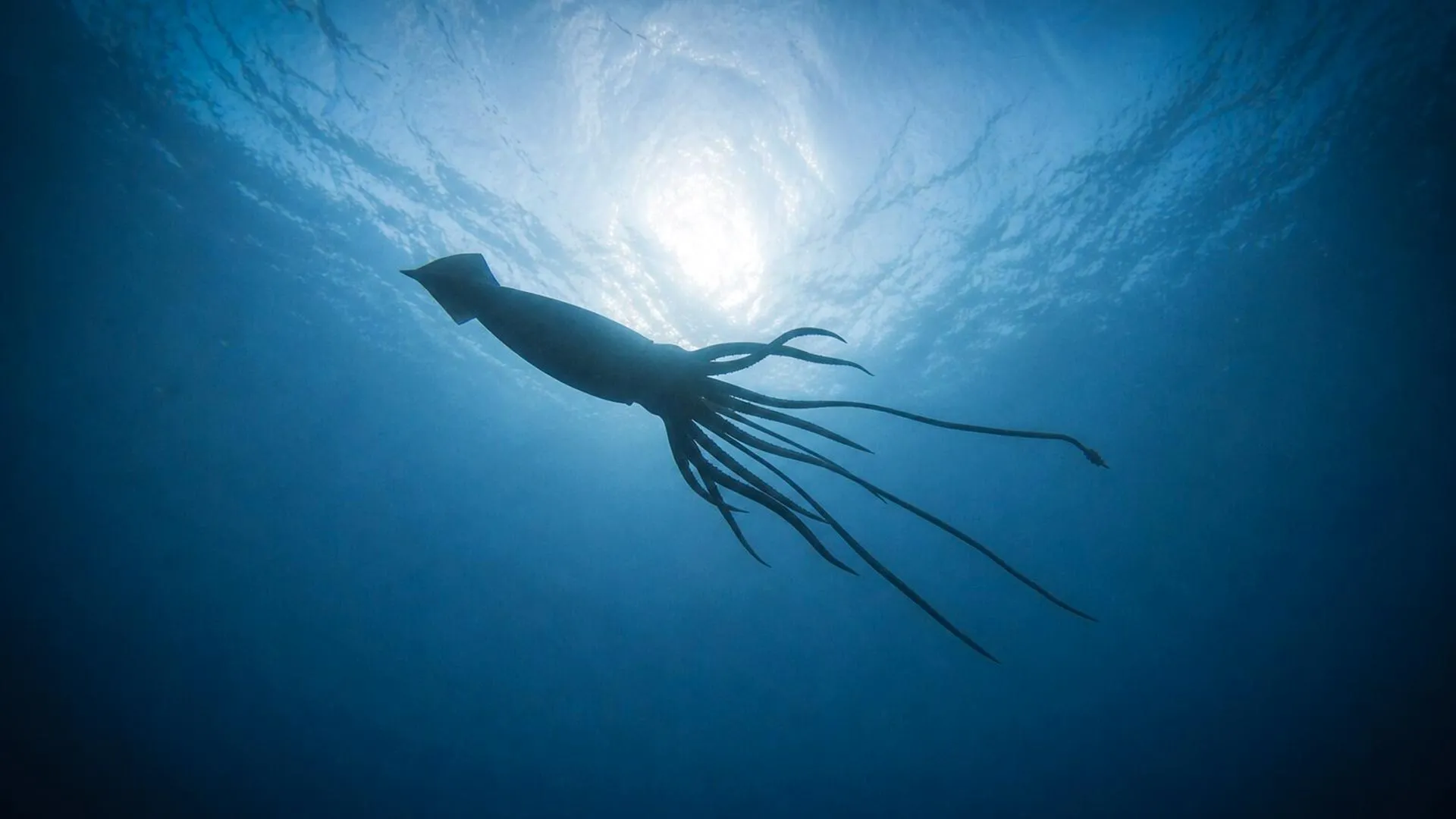
Twenty-five years after the giant squid was last recorded in Western Australian waters, scientists say the legendary deep-sea predator is still down there — they just had to learn to read its molecular fingerprints. A Curtin University-led study published this week reports that environmental DNA pulled from two remote submarine canyons off the Ningaloo (Nyinggulu) coast contains the unmistakable genetic signature of Architeuthis dux, along with traces of more than 200 other species, in one of the most detailed surveys of Australia's deep-sea biodiversity ever attempted.
The expedition was conducted aboard the R/V Falkor, a research vessel operated by the Schmidt Ocean Institute, and led by the Western Australian Museum in partnership with Curtin University. Over the course of weeks, the team collected more than 1,000 water samples from depths of up to 4,510 meters in the Cape Range and Cloates submarine canyons, located roughly 1,200 kilometers north of Perth on the edge of the Indian Ocean. Each sample was filtered for tiny fragments of DNA naturally shed into the water by animals as they swim, feed and die.
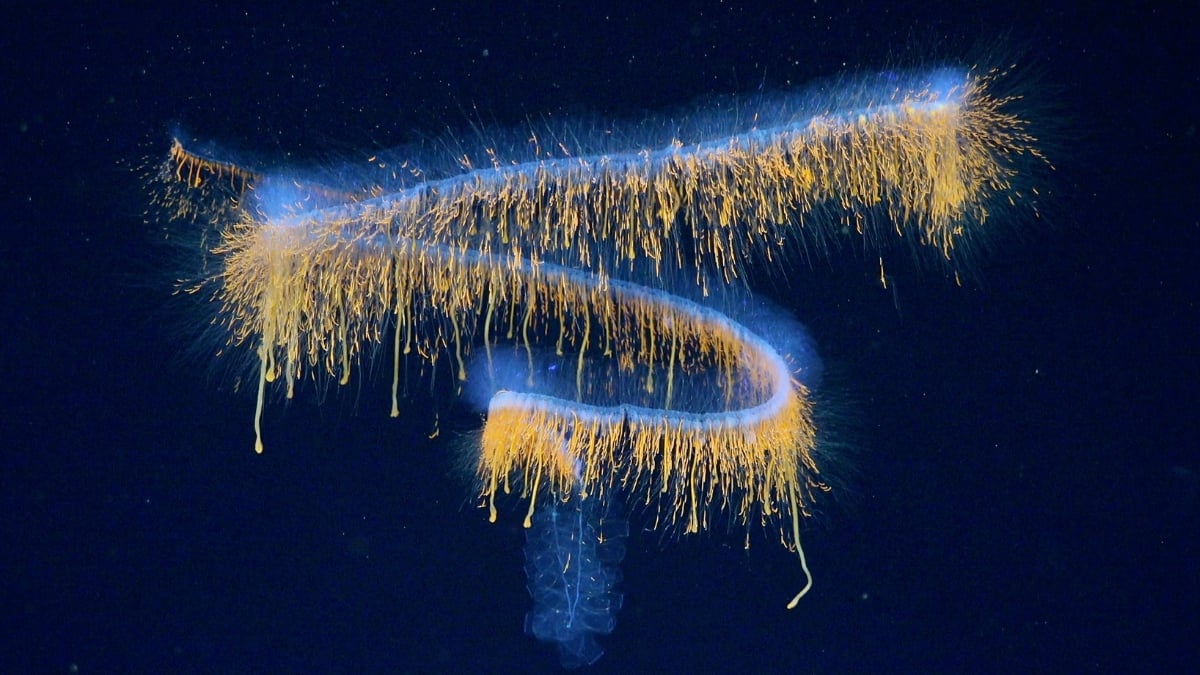
The technique, known as environmental DNA or eDNA, has revolutionized marine biology over the past decade. Instead of sending submersibles to chase elusive deep-sea species, scientists can now reconstruct entire ecosystems by sequencing the cocktail of genetic material floating in seawater. In the Ningaloo canyons, that approach identified 226 species across depth strata that ranged from the sunlit shallows to the perpetually dark abyssal plain. The standout was the giant squid, detected unambiguously in six separate samples drawn from both canyons.
'Detecting the giant squid in Western Australian waters for the first time in over 25 years was extraordinary,' said lead author Dr. Maarten De Brauwer of Curtin's School of Molecular and Life Sciences in a statement accompanying the release. 'It tells us that this iconic deep-sea animal is still using these canyon systems, and that we have been profoundly underestimating just how rich and active that habitat is.' Architeuthis dux can grow up to 13 meters long and was first reliably filmed alive only in 2012, despite being woven into seafaring lore for centuries.
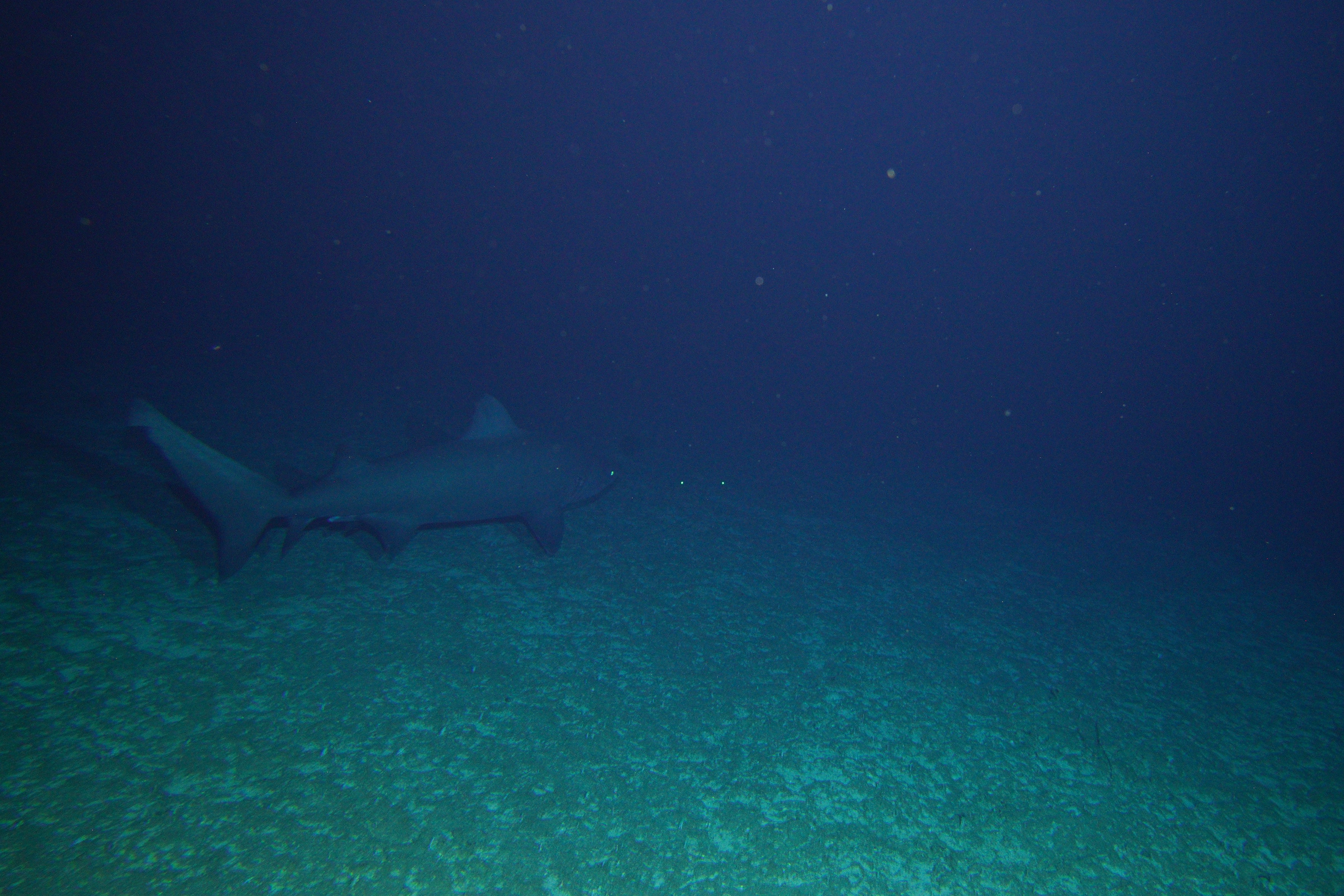
The broader catalogue, published in the journal Environmental DNA under the title 'Environmental DNA Reveals Diverse and Depth-Stratified Biodiversity in East Indian Ocean Submarine Canyons,' includes evidence of several species researchers believe may be new to science, along with sharks, rays, deep-sea fish and gelatinous animals that almost never appear in standard trawl surveys. The team also found that biodiversity was clearly structured by depth, with distinct communities of organisms inhabiting the upper, middle and lower reaches of the canyons.
The findings have immediate implications for ocean management. The Cape Range and Cloates canyons are part of a marine park system that the Australian government is in the middle of reviewing, and conservationists have argued that the area's biodiversity is poorly understood and inadequately protected. With direct evidence now in hand that the canyons support everything from giant squid to potentially unknown species, the Curtin team is pushing for stronger protections and additional eDNA monitoring before deep-sea mining and oil-and-gas operators expand further along Australia's northwest shelf. 'You can't conserve what you can't see,' De Brauwer said. 'eDNA finally lets us see.'