Farage Reform UK Surges Past 600 Seats, Shattering Britain's Two-Party System
Reform took every Labour-held seat in Tameside and Wigan as the governing party shed more than 200 councillors, leaving Keir Starmer fighting to hold his job and Sir John Curtice declaring the British two-party system broken.

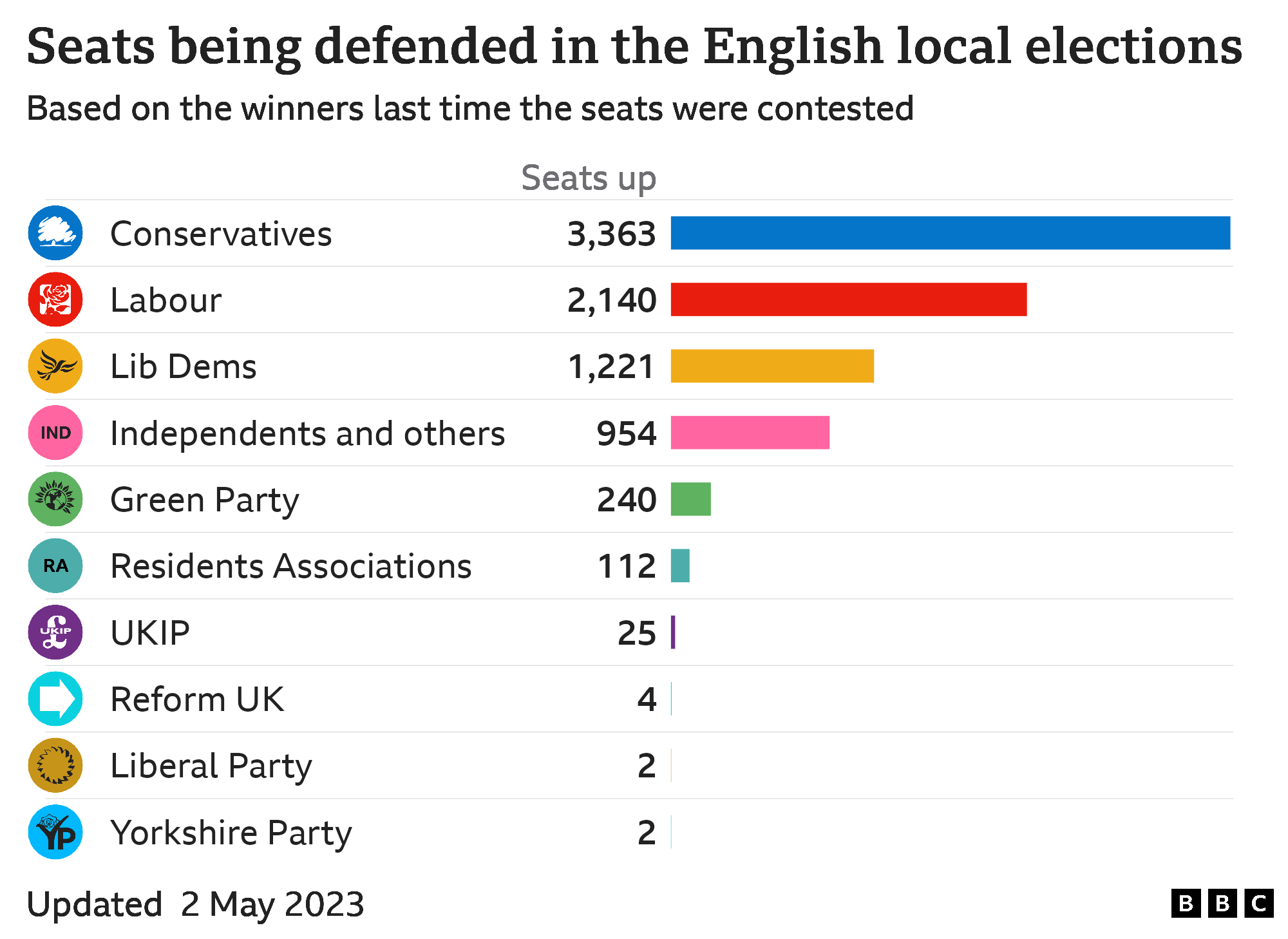
Nigel Farage's Reform UK party stormed past 600 council seat gains in Friday's local elections, ripping huge chunks out of Labour's working-class heartlands and leaving Prime Minister Keir Starmer scrambling to defend his job after one of the worst nights for a governing party in modern British history. By midday, Reform had taken 339 seats and Labour had shed more than 208, with results still pouring in from town halls across England.
The scale of Reform's breakthrough was felt most viscerally in places that Labour has owned for generations. In Tameside, Greater Manchester, Reform swept all 14 seats Labour was defending, ending nearly 50 years of Labour control of the council. In Wigan, a former mining community where Labour had governed for more than half a century, the party lost every one of the 20 seats it was contesting to Reform. The pattern repeated in Doncaster, Stoke-on-Trent and Sunderland, places that voted Leave in 2016 and that Boris Johnson briefly pried away in 2019 before they swung back to Labour last year.
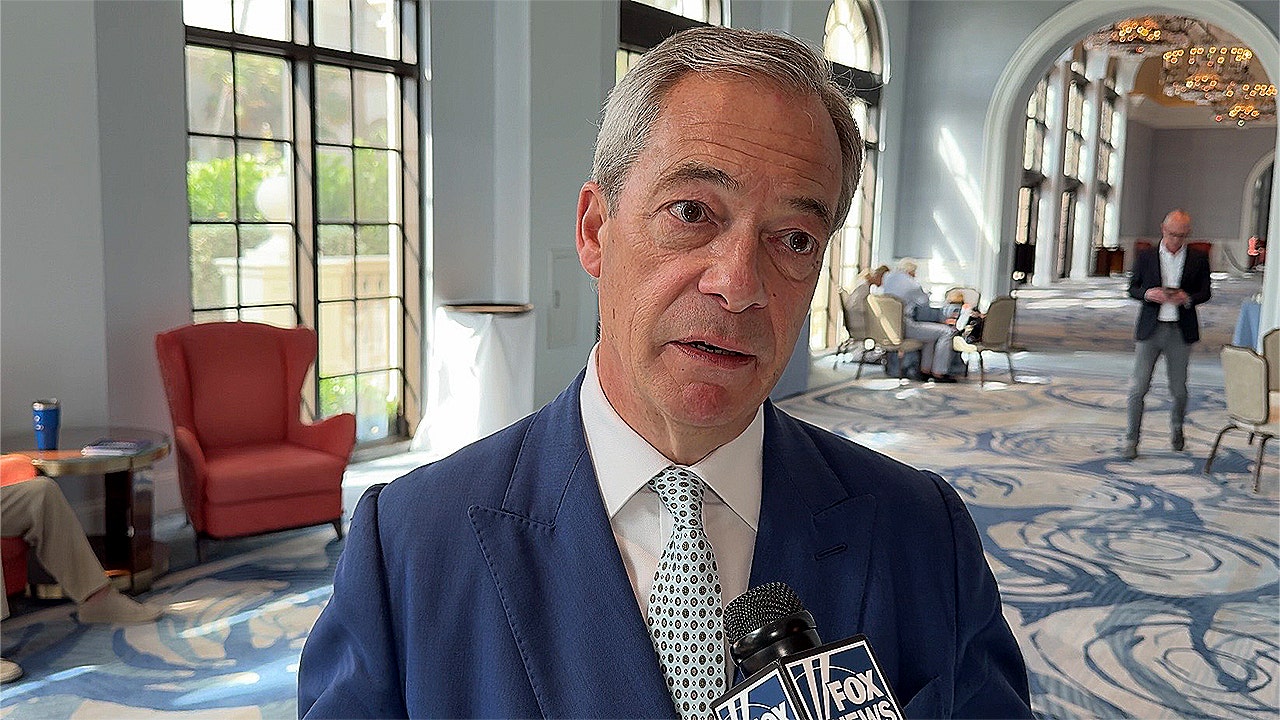
Farage, addressing supporters in Westminster on Friday afternoon, declared the night a "complete reshaping of British politics in every way." The Reform leader, who entered Parliament as MP for Clacton last summer, said his party was "now the most national of all parties" and added: "We are competitive in every part of the country and we're here to stay." The Greens also picked up dozens of seats, mostly from Labour in university towns, while the Liberal Democrats made gains across the south of England at the expense of the Conservatives.
Starmer faced calls from a handful of his own backbenchers to consider his position but ruled out resigning. "I take responsibility for these very tough results," the prime minister said outside Downing Street. "But I'm not going to walk away. I'm going to deliver on the change that we promised the British people." Allies pointed to the fact that no general election is required until 2029, but private polling circulating among Labour MPs has the party slipping into third place behind both Reform and the Conservatives in voting intention.
Tory leader Kemi Badenoch had her own grim night, with the Conservatives losing more than 100 councillors and surrendering long-held shires to Reform and the Lib Dems. Badenoch acknowledged the results were "deeply disappointing" and conceded that the right of British politics was now fragmented in a way it had not been for a century. The headline upshot is that two of Britain's traditional parties of government have, on the same night, been hollowed out from opposite ends.
Election analysts at the BBC and the polling firm More in Common said the results, if repeated at a general election, would translate into a hung parliament with Reform as the largest single party. Sir John Curtice, the country's most-cited election analyst, called the night "the moment the British two-party system finally fractured." Starmer is expected to convene his cabinet on Saturday to discuss a reset, with sources telling The Times that he is considering bringing forward immigration legislation and tax cuts in an attempt to staunch the bleeding before regional mayoral elections later this year.