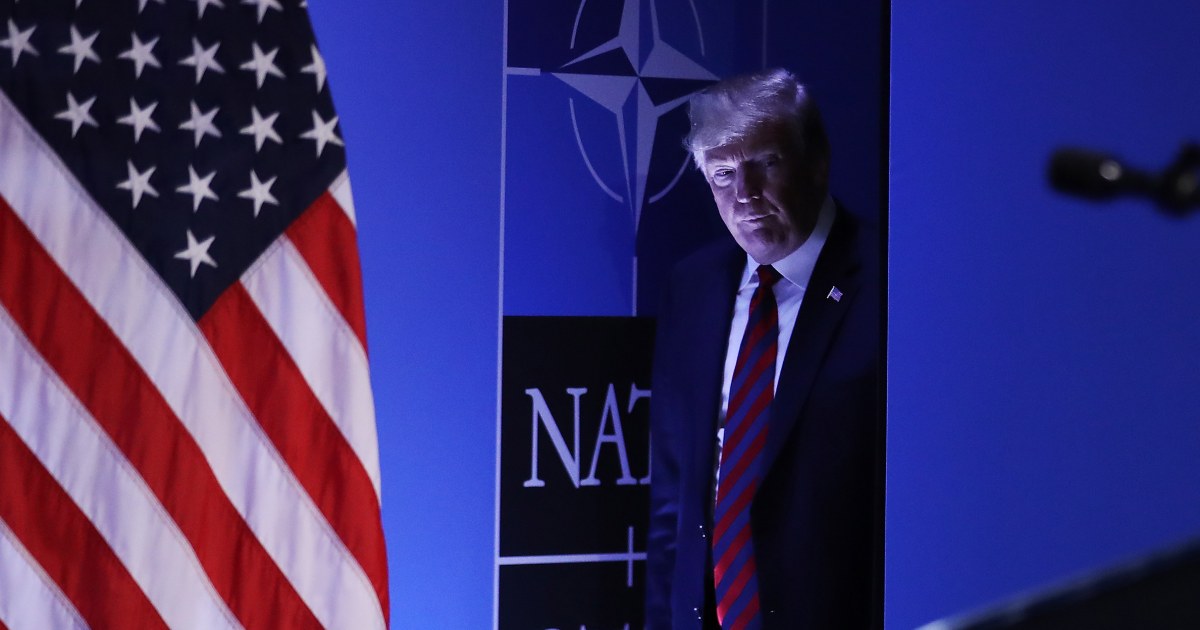
Europe Faces 'Guns vs. Butter' Budget Crisis as Iran War Strains Military Spending
After decades of prioritizing domestic over military spending, European leaders struggle to pivot as war threatens to anger voters and strain national budgets.
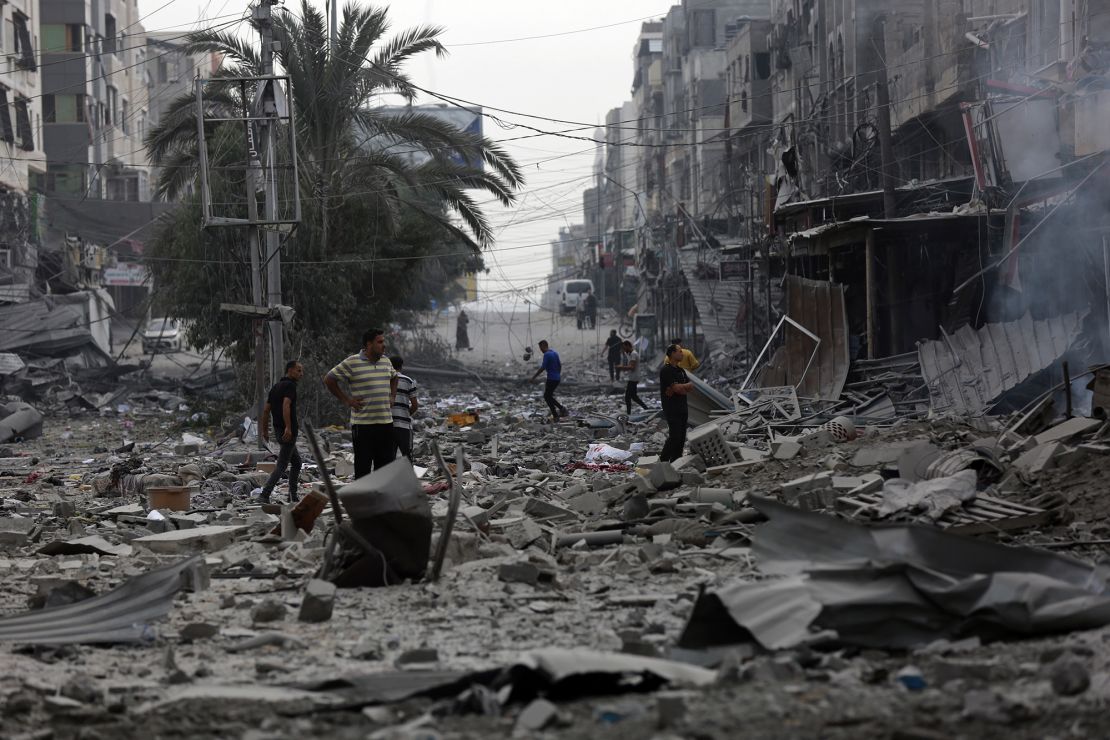
European nations are confronting an increasingly difficult choice between military preparedness and domestic priorities as the ongoing Iran conflict exposes decades of underinvestment in defense capabilities. The continent's leaders, who have historically prioritized social programs and domestic spending over military expenditures, now face the challenging task of rapidly increasing defense budgets while maintaining public support and fiscal stability. This fundamental shift in spending priorities, known economically as the "guns versus butter" dilemma, has become more urgent as the war demonstrates the limitations of Europe's current military capabilities.
For decades, European countries have allocated relatively small portions of their national budgets to defense, instead investing heavily in healthcare, education, social services, and infrastructure. This approach reflected both the post-Cold War peace dividend and the continent's preference for diplomatic solutions over military interventions. NATO's target of spending 2% of GDP on defense was consistently missed by most European members, who relied instead on American military guarantees while focusing on building comprehensive welfare states.
The Iran conflict has fundamentally altered this calculus, forcing European leaders to confront the reality that their limited military capabilities may be insufficient to address emerging security challenges. The war has highlighted gaps in European defense production, intelligence capabilities, and rapid deployment forces. Military analysts note that European armies lack the ammunition stockpiles, advanced weaponry, and logistical infrastructure needed for sustained high-intensity conflicts, forcing a reassessment of defense priorities.
However, the rapid pivot toward increased military spending threatens to strain national budgets that are already under pressure from aging populations, economic recovery needs, and climate transition costs. Government leaders must now explain to voters why resources previously dedicated to hospitals, schools, and social programs need to be redirected toward tanks, missiles, and military personnel. This shift comes at a politically sensitive time, with populist movements across Europe already criticizing establishment parties for being out of touch with citizens' daily concerns.
The financial mathematics of this transition are particularly challenging for countries like Germany, France, and Italy, where significant increases in defense spending would require either substantial budget deficits, tax increases, or cuts to popular social programs. European Union fiscal rules limiting government deficits add another layer of complexity, potentially requiring renegotiation of fundamental agreements governing the bloc's economic coordination. The outcome of this budgetary rebalancing will likely determine Europe's security posture for the next generation while testing the resilience of the continent's democratic institutions.