EU-Mercosur Free Trade Pact Launches May 1, Covering 700 Million People and 25% of Global GDP — Without the U.S.
After 25 years of negotiation, the EU's landmark deal with Argentina, Brazil, Paraguay, and Uruguay enters force next month as global trade increasingly realigns around American absence.
The European Union's landmark free trade agreement with the Mercosur countries — Argentina, Brazil, Paraguay, and Uruguay — will enter into force on May 1, 2026, the European Commission confirmed this week, creating the world's largest trade bloc by geographic coverage and marking one of the most significant shifts in global commerce in a generation. The deal, more than 25 years in the making, covers 700 million people and approximately 25% of global GDP, and it arrives at a moment when the United States has largely retreated from international trade engagement.
The agreement eliminates tariffs on 91 to 92% of goods traded between the EU and Mercosur nations over a phased implementation period, with the most sensitive sectors receiving longer transition timelines. European exporters will save an estimated $4.6 billion per year in customs duties currently paid to enter South American markets. Brazilian cattle ranchers and Argentine soybean producers, in turn, gain significantly improved access to the EU's 450 million consumers. The EU-Mercosur deal had been completed in principle in 2019 but stalled repeatedly over environmental safeguards and political opposition in France, where agricultural lobbies feared competition from South American beef and poultry producers.
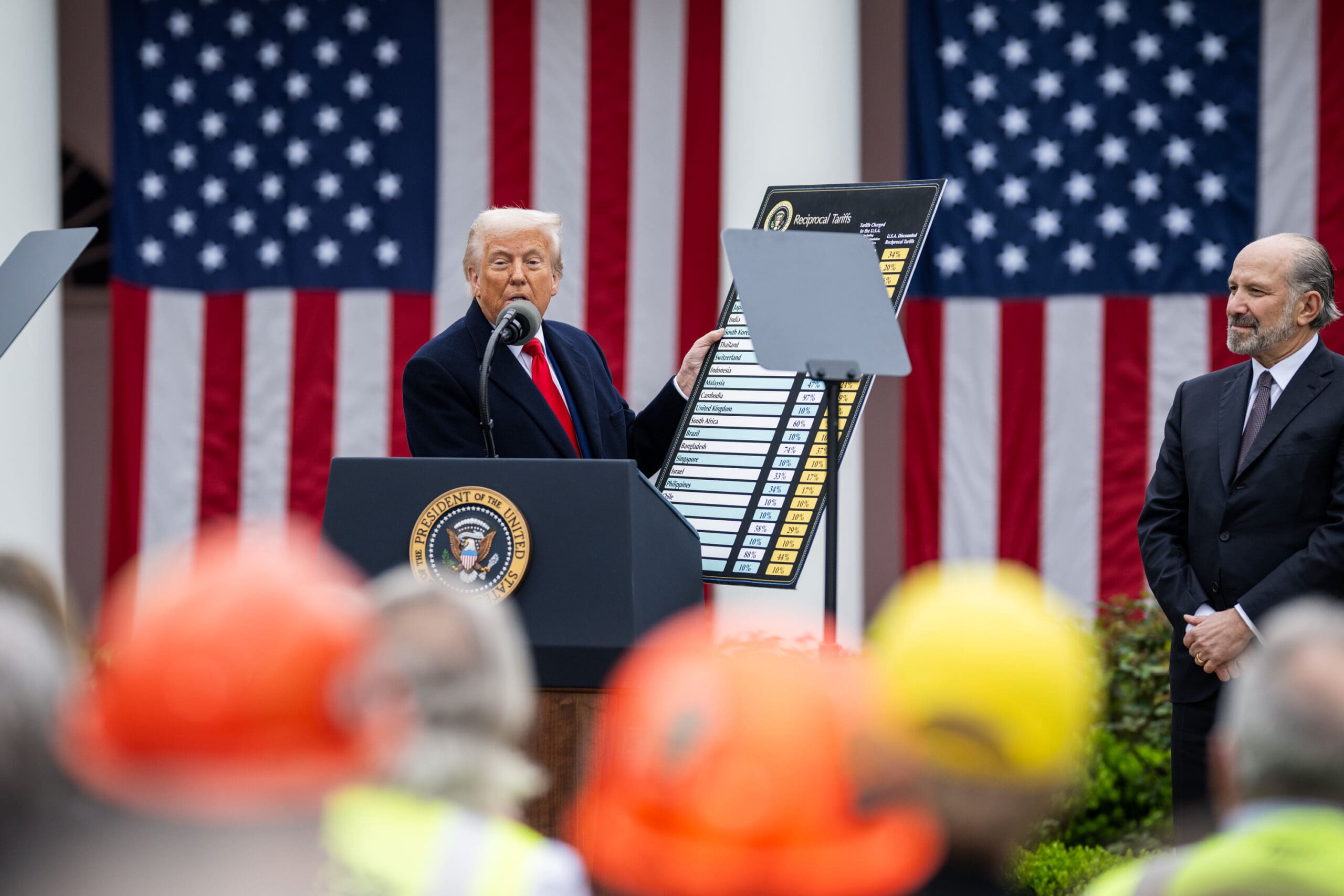
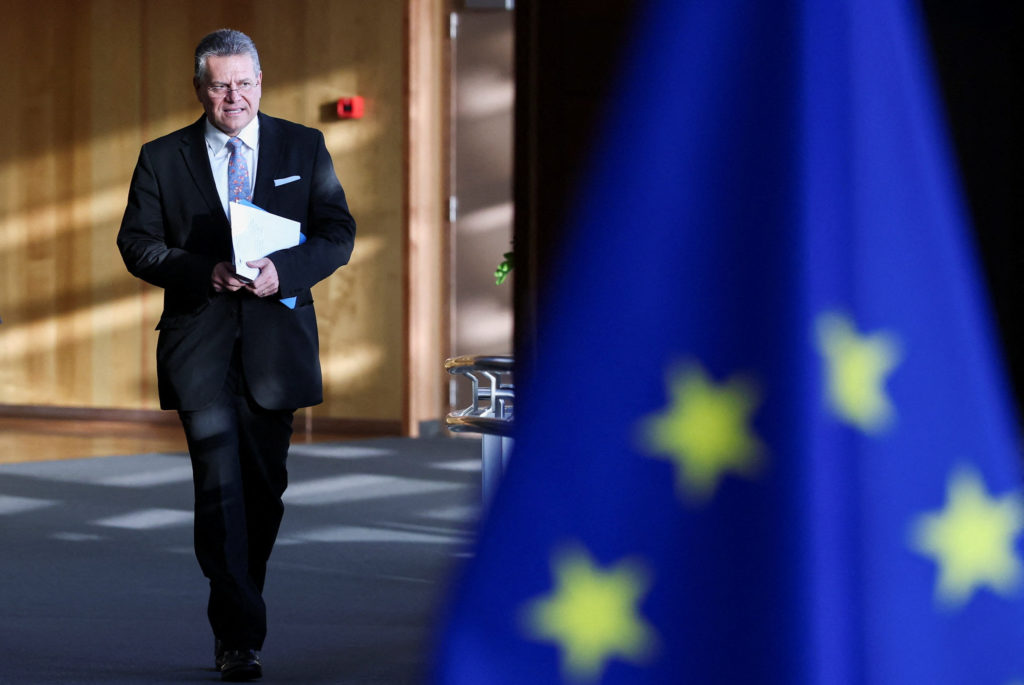
The agreement's timing — entering force while the United States is absorbed by the Iran war, managing record-high oil prices, and implementing its own sweeping tariff policies — has drawn particular attention from trade economists. The EU has simultaneously concluded or advanced major agreements with India, Canada, New Zealand, and Kenya in recent months, and the trading bloc has made explicit its strategic goal of reducing economic dependence on both China and the United States. EU Trade Commissioner Maros Sefcovic said the Mercosur deal "demonstrates that open, rules-based trade has a future even as others build walls."
For South America, the deal represents a generational economic opportunity. Brazil, the region's largest economy, sends roughly 16% of its exports to the EU and has long sought deeper access for its agricultural products. The agreement phases out EU tariffs on beef, poultry, ethanol, and sugar — sectors where Mercosur producers have competitive advantages — over 7 to 10 years, giving European farmers time to adjust. In exchange, Brazilian and Argentine industrial and manufactured goods will face reduced tariffs, potentially accelerating those countries' efforts to diversify beyond commodity exports.
Environmental conditionality in the final agreement requires both parties to uphold commitments under the Paris Agreement and include enforceable provisions against deforestation, a key demand from European parliamentarians and civil society groups. The deal includes a suspension mechanism that allows the EU to halt tariff benefits if a Mercosur country is found to have significantly rolled back forest protections — a provision that was central to breaking the years-long impasse in negotiations.
The EU-Mercosur deal is the most prominent but not the only example of major trade architecture being built outside American participation. The UK has completed its accession to the Comprehensive and Progressive Agreement for Trans-Pacific Partnership, a 12-nation Pacific Rim pact that the United States originally negotiated but then withdrew from in 2017. Malaysia has signed a trade agreement with the UAE. The EU-India partnership deal is advancing through ratification. Economists tracking the global trade landscape say the pattern suggests that after years of assuming American leadership as a given, trading nations have concluded that durable trade relationships require frameworks that do not depend on U.S. participation or stability.