Ethiopian Fossils Show Early Homo Shared the Landscape With an Unknown Australopithecus 2.6 Million Years Ago
Thirteen teeth excavated from Ethiopia's Ledi-Geraru badlands reveal that the earliest humans co-existed with a previously unnamed small-bodied Australopithecus, overturning the textbook image of a single linear march from ape to human and reshaping the early Homo family tree.

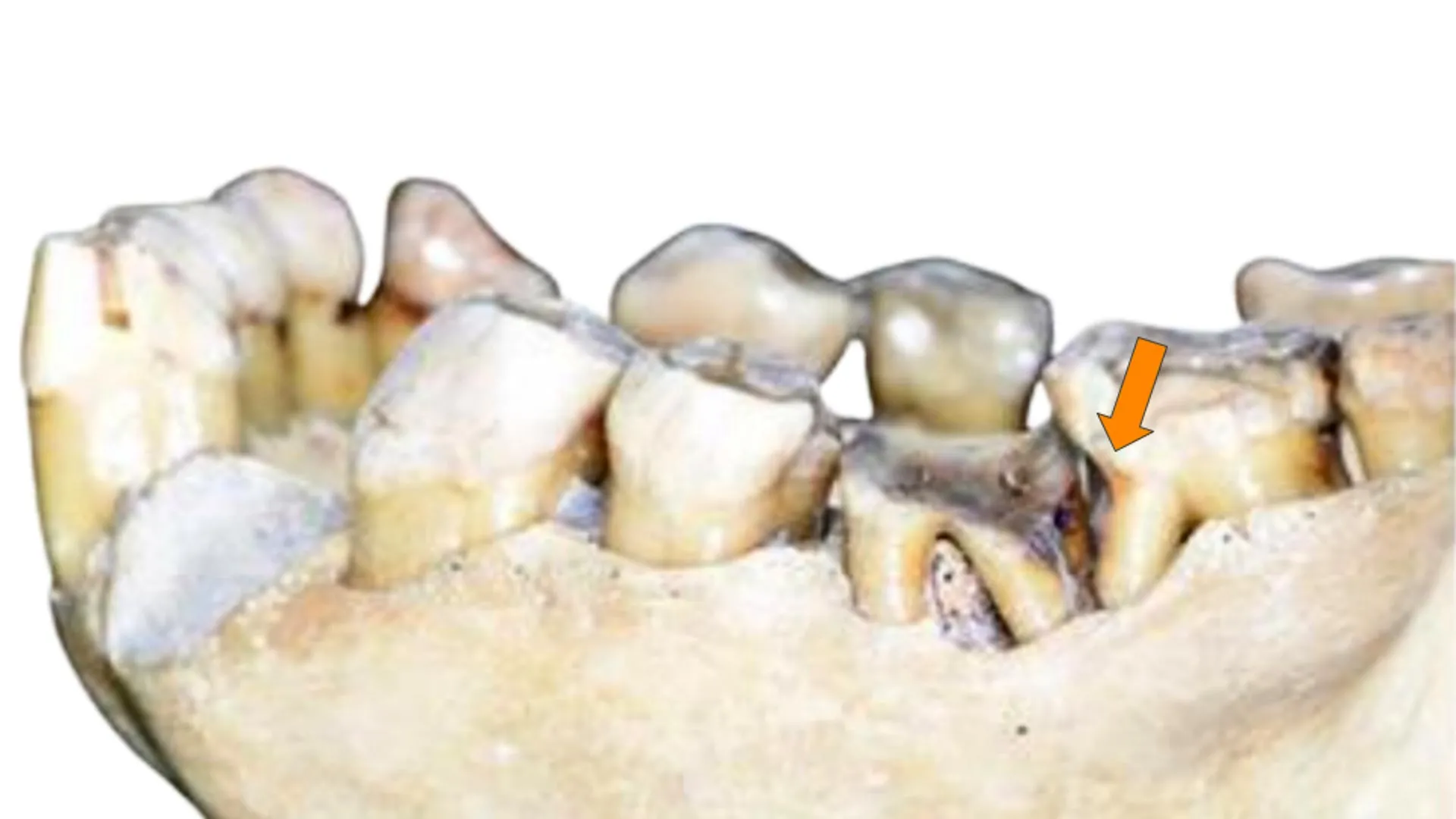
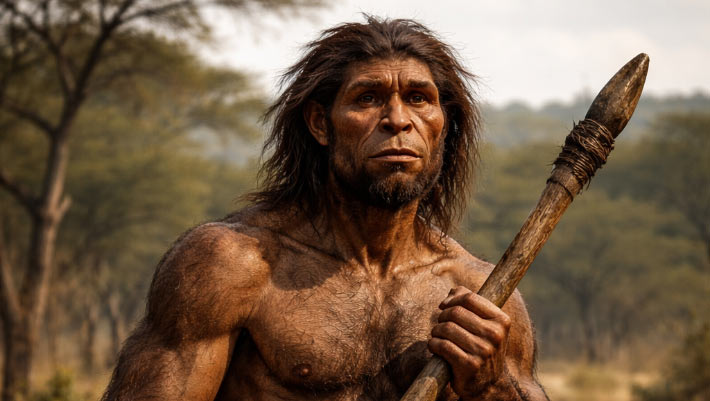
ADDIS ABABA — A trove of 13 hominin teeth unearthed from the volcanic badlands of Ethiopia's Afar region shows that the earliest members of our genus, Homo, shared the landscape with a previously unknown species of Australopithecus between 2.6 and 2.8 million years ago, an international research team reported in the journal Nature, in a finding that overturns the textbook image of human evolution as a single linear march.
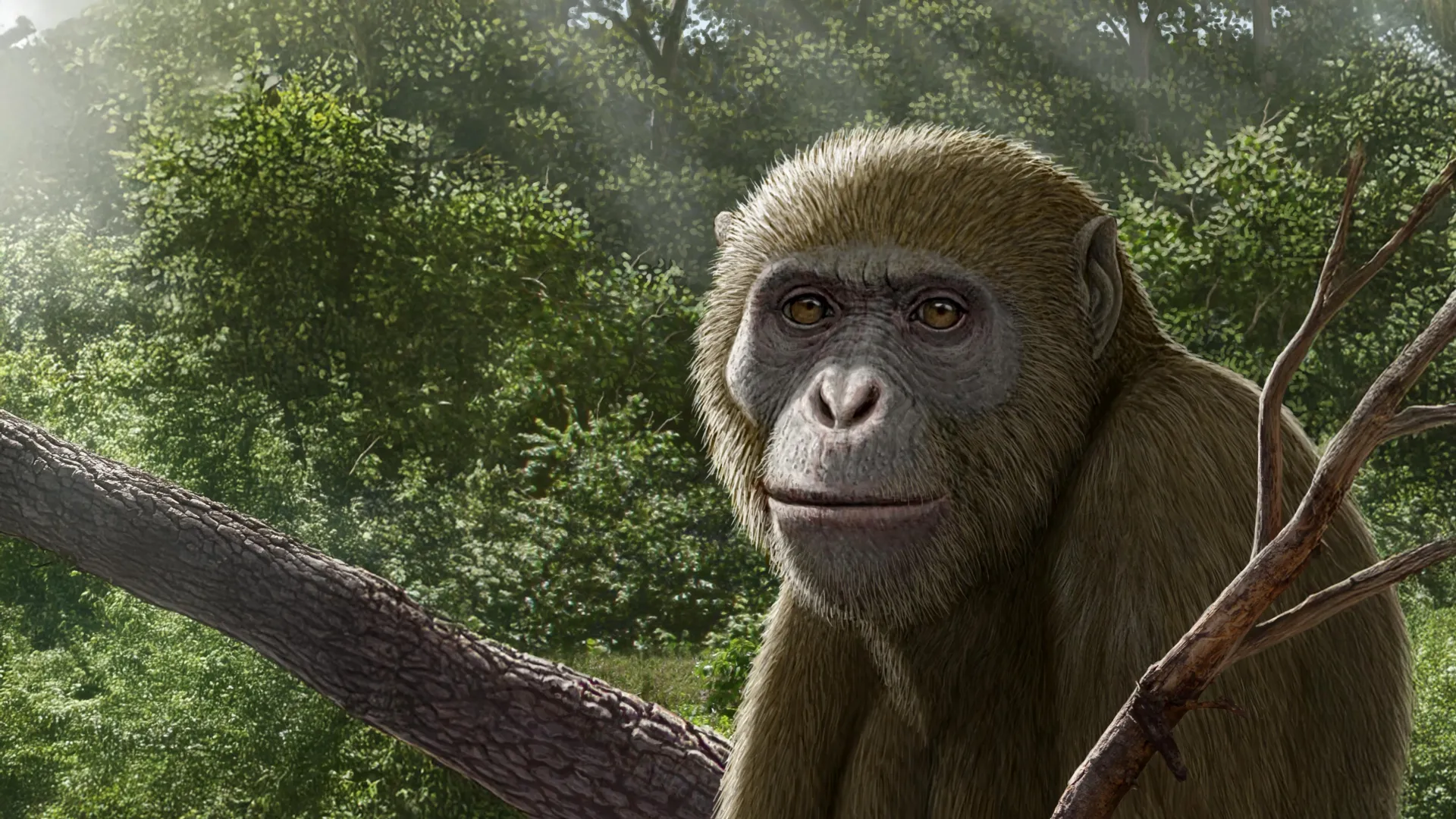
The fossils, excavated over a decade of fieldwork at the Ledi-Geraru research site north of the Awash River, include four teeth assigned to the genus Homo and dated to 2.78 and 2.59 million years ago, plus nine teeth representing a small-bodied Australopithecus dated to 2.63 million years ago. The Australopithecus teeth do not match any of the previously named species in the genus, including A. afarensis (the species best known from the Ethiopian skeleton "Lucy") or A. garhi, and the team has not yet assigned them a formal name.
"The implication is that, in this one slice of eastern Africa, you had at least two and possibly four hominin lineages walking around at the same time," said Brian Villmoare, the University of Nevada, Las Vegas, paleoanthropologist who led the analysis. Villmoare and his collaborators argue that as many as four lineages — early Homo, the new Ledi-Geraru Australopithecus, the robust Paranthropus, and the older A. garhi — may have coexisted between 3.0 and 2.5 million years ago, a stretch of African prehistory long viewed as an evolutionary bottleneck.
The Ledi-Geraru site has yielded some of the earliest known Homo fossils since 2013, when Villmoare's team recovered a 2.8-million-year-old jaw fragment that pushed the origin of the genus back several hundred thousand years. The new dental specimens, dated using single-crystal argon-argon analyses of volcanic ash layers that bracket the fossil-bearing sediments, confirm that early Homo was already established in the region by 2.78 million years ago and persisted there for at least 200,000 years.
What makes the discovery so striking, the team says, is the simultaneous presence of a small-bodied Australopithecus species with unusually thin tooth enamel — a trait that suggests a softer, possibly more frugivorous diet than that of contemporaneous Paranthropus, whose massive molars and thick enamel are adapted to chewing tough plant material. "Different species were apparently exploiting different parts of the same landscape," said Kaye Reed, an Arizona State University paleoecologist and co-author of the study. The team is now analyzing carbon-isotope ratios in the tooth enamel to reconstruct what each species actually ate.
The findings reinforce a view of human evolution that has gained ground over the past two decades: that the human family tree resembles a tangled bush rather than a single trunk, with multiple species branching, coexisting and going extinct repeatedly. "Homo did not emerge into an empty Africa," Villmoare said. "It emerged into a world already crowded with relatives." The research team plans to return to Ledi-Geraru this winter to search for cranial fragments that might allow the new Australopithecus to be formally named.