ESA-China SMILE Mission Delayed by Vega-C Fault — the First Mission to Image Earth's Full Magnetosphere in X-Ray
A technical issue on the European launch vehicle has postponed the joint heliophysics mission that would transform space weather forecasting by giving scientists a global view of the magnetopause.

A technical fault on the Vega-C launch vehicle forced the European Space Agency and the Chinese Academy of Sciences to postpone the launch of the SMILE mission — the Solar Wind Magnetosphere Ionosphere Link Explorer — originally scheduled for April 9, 2026, from the Guiana Space Centre in Kourou, French Guiana. ESA and the Chinese Academy of Sciences confirmed the delay on April 9 and said teams were working to identify and resolve the launch vehicle issue, with a new launch date to be announced within the April 8 to May 7 launch window. No specific technical details about the anomaly have been publicly disclosed.
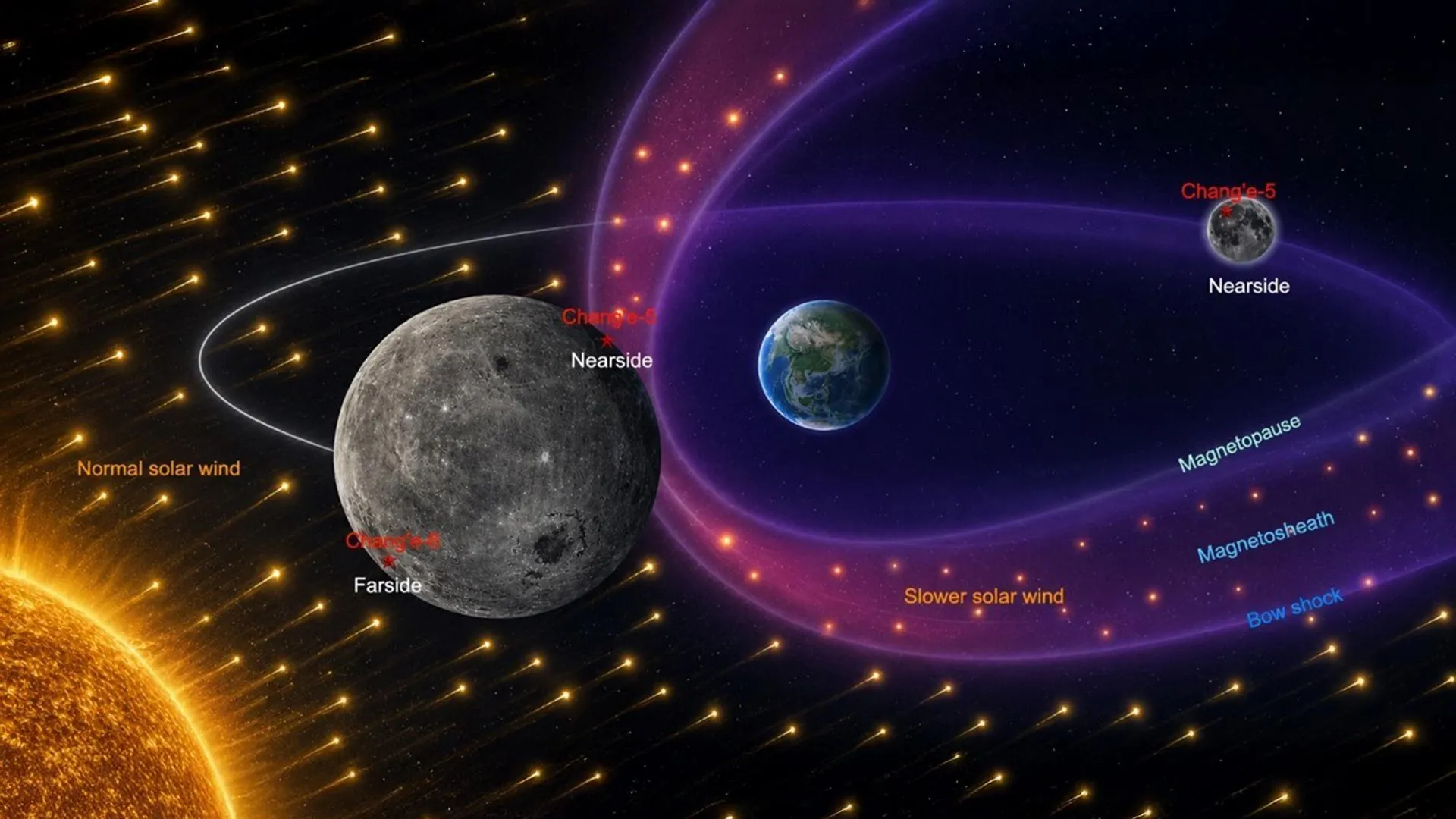
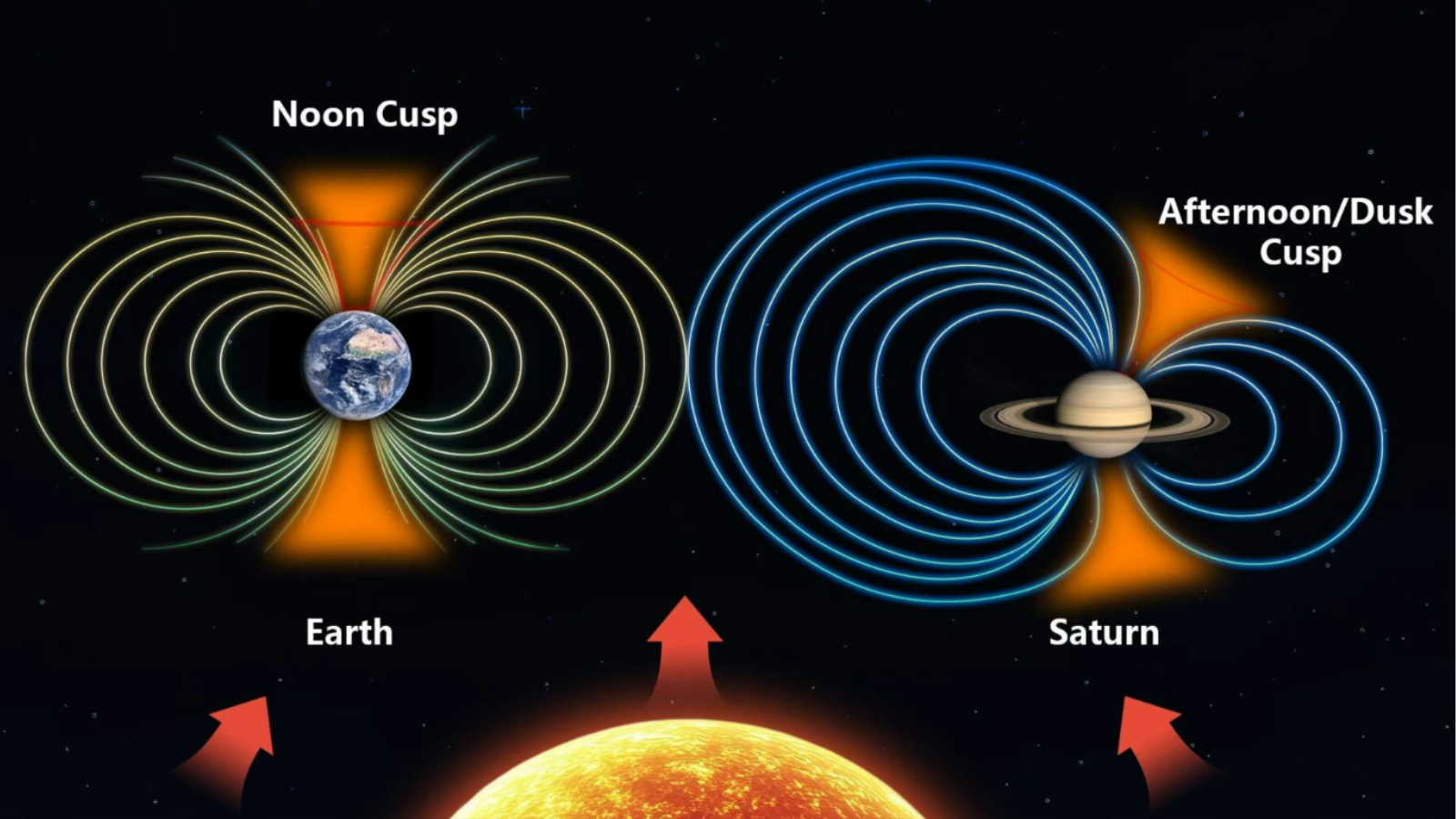
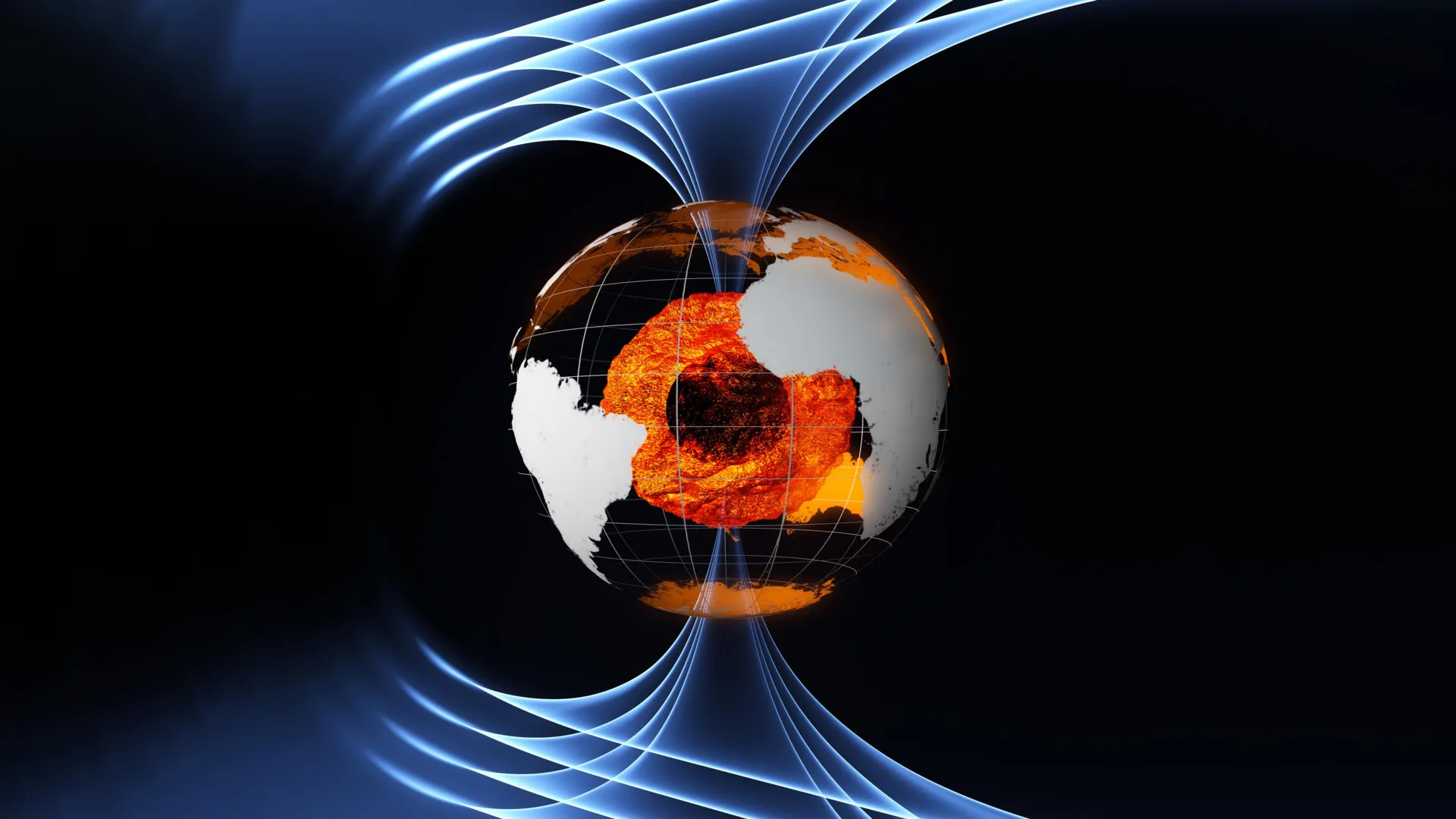
SMILE would be the first mission in history capable of imaging Earth's entire magnetosphere simultaneously in soft X-ray light — a scientific first that researchers describe as the equivalent of finally being able to see the ocean's surface rather than just measuring individual data points within it. The magnetosphere, the region of space dominated by Earth's magnetic field, shields the planet from the constant bombardment of charged particles streaming from the Sun in what is called the solar wind. When the solar wind interacts with the magnetopause — the outer boundary of the magnetosphere — it drives the geomagnetic storms responsible for auroras, satellite disruptions, power grid vulnerabilities, and radio blackouts.
The spacecraft carries four instruments designed to work in concert. A Soft X-ray Imager (SXI) will capture wide-field images of the magnetopause and bow shock in X-rays produced when solar wind ions charge-exchange with neutral hydrogen atoms — a process that had been theorized for decades but only partially exploited for imaging. An Ultraviolet Imager (UVI) will simultaneously photograph the full auroral oval over both poles. An in-situ particle and magnetic field monitor (MAG/LP) will sample the plasma environment where the spacecraft orbits at its 19 Earth-radius apogee, and a Light Ion Analyzer (LIA) will measure the cold ion populations near the magnetopause boundary.
SMILE's operational orbit — a highly elliptical path that takes it far above Earth's poles and out beyond the magnetopause — will allow it to image auroras and the magnetopause boundary in the same frame simultaneously for the first time. This global perspective is crucial for space weather forecasting, which currently relies on a sparse network of ground magnetometers and a handful of in-situ spacecraft that can only sense conditions at their immediate location. Real-time magnetospheric imaging would transform space weather prediction the same way weather satellites transformed tropospheric forecasting after the 1960s.
The SMILE mission represents a significant milestone in ESA-China scientific cooperation. Approved jointly by ESA and the Chinese Academy of Sciences in 2015, it has navigated a decade of technical development, geopolitical fluctuation, and three previous launch delays. The Vega-C rocket — Europe's medium-class launcher — returned to service in late 2023 after an in-flight failure on its second operational mission in December 2022 grounded the vehicle for more than a year. ESA said it expects to announce a new launch date within days and expressed confidence that the launch window can be met. Scientists involved in the mission said the delay, while frustrating, does not affect the spacecraft's scientific objectives or operational capability.