Over 9,000 US Deportees Held Indefinitely in El Salvador Prisons Without Trial, Human Rights Watch Finds
In a detailed investigation, HRW documented that only 10.5% of deportees to CECOT had violent criminal convictions — and that the system constitutes enforced disappearance under international law.
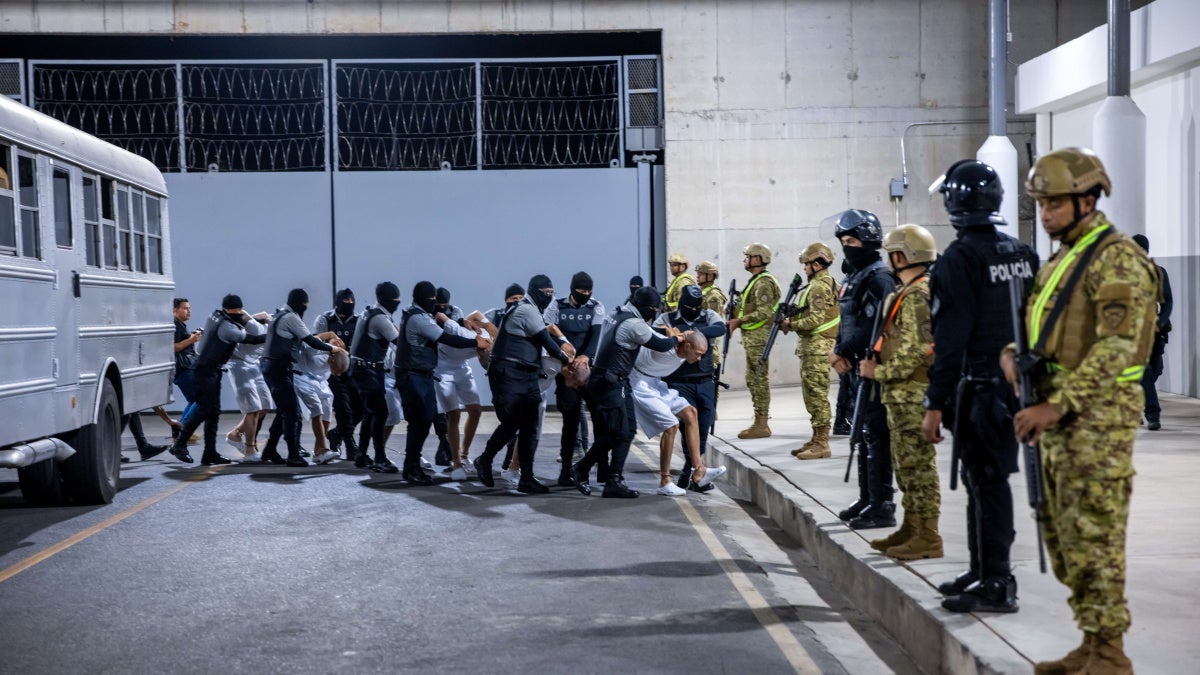
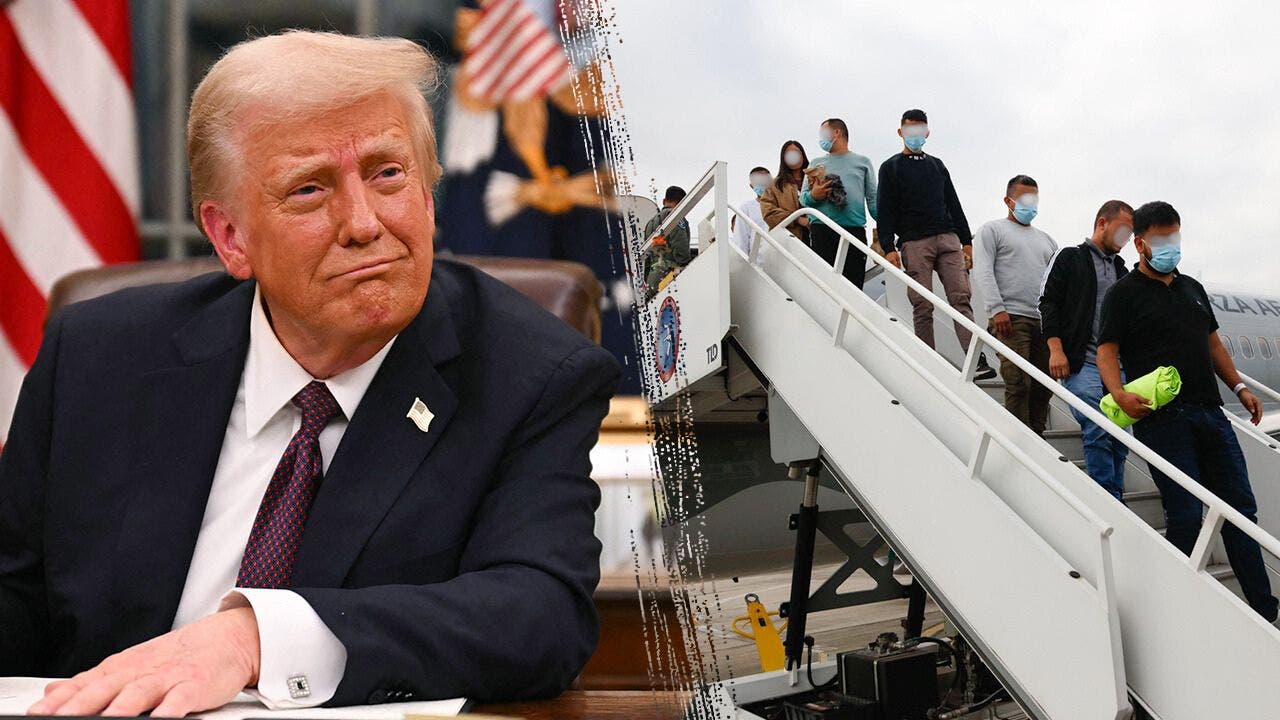
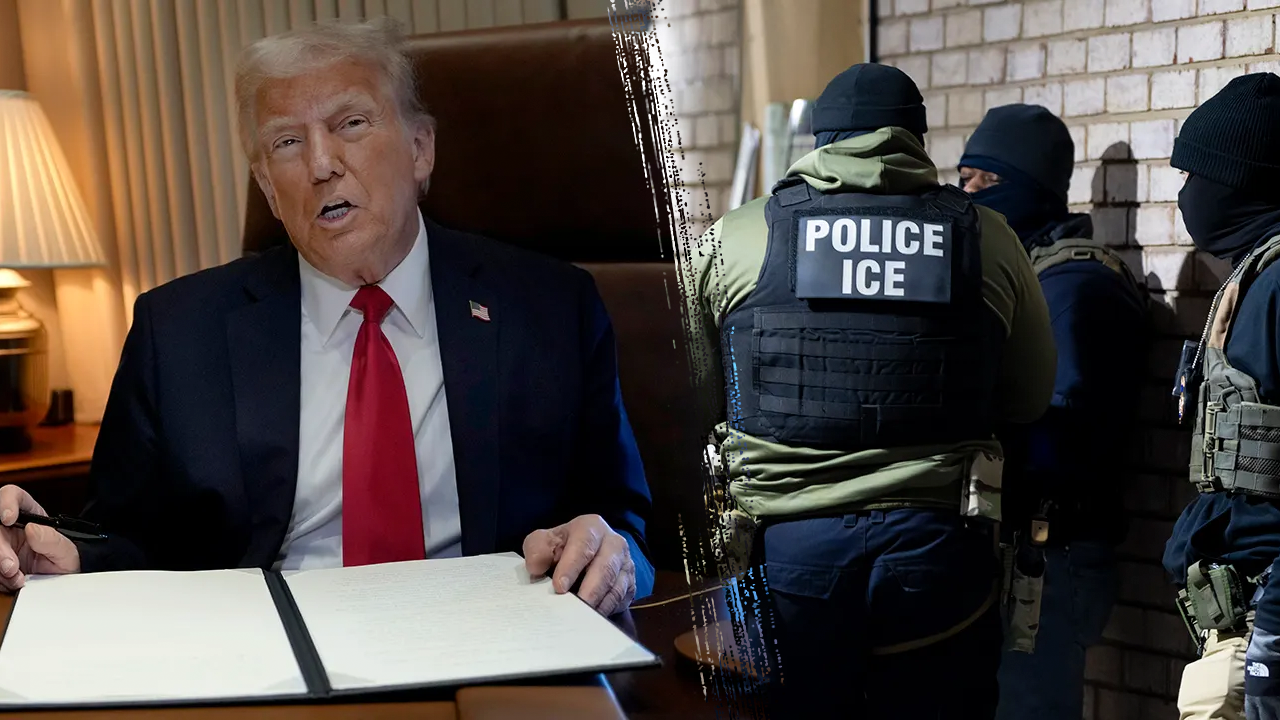
More than 9,000 Salvadoran nationals deported from the United States to El Salvador since January 2025 are being held indefinitely in the country's CECOT mega-prison and other facilities without criminal convictions, court hearings, or release dates, Human Rights Watch reported in a detailed investigation published March 16, 2026. The report, based on interviews with families, attorneys, and former detainees, found that the majority of those detained had no history of violent crime — and that their imprisonment constitutes what international law defines as enforced disappearance.
Only 10.5 percent of those deported under the Trump-Bukele agreement had convictions for violent or potentially violent crimes in the United States, according to HRW's analysis of available data. The rest were detained upon arrival in El Salvador based on alleged gang associations — typically determined by tattoos, neighborhood of origin, or a name appearing in a government database — and transferred directly to the Centro de Confinamiento del Terrorismo (CECOT) or to the Santa Ana detention facility without any judicial process. Once inside, detainees have no access to legal counsel and no mechanism to challenge their detention.
The organization documented 11 specific cases in detail. None of the individuals involved had appeared before any judge in El Salvador since their arrival. Several had lived in the United States for more than a decade, had US-citizen children, and had no criminal record in either country. In one case highlighted by HRW, a man who had been in the US since age 14 was deported at age 29 based on an old address in a neighborhood associated with MS-13. His family in the US has received no official confirmation of where he is being held.
Kilmar Ábrego García, whose deportation to El Salvador was found by a federal judge to have been a clear administrative error, became a public symbol of the broader policy after he was returned to the US following intense legal pressure. His case briefly brought attention to the plight of others similarly situated — but his return is widely seen as an exception secured only because of his attorney's persistence and a federal court order, not because of any systemic review of deportation errors.
Human Rights Watch senior researcher Margaret Knox said the findings reveal that the Trump administration and the Salvadoran government have jointly created a system in which deportation functions as a form of extrajudicial punishment. "Deportation cannot mean enforced disappearance," Knox said in a statement accompanying the report. "These men have been removed from any legal accountability, any oversight, and any path to freedom." The report called on the US Congress to open an investigation into the detention conditions of deportees and demanded that El Salvador provide detainee lists and allow independent monitors access to CECOT. President Bukele's office did not respond to requests for comment.