Drexel Scientists Discover Simple Liquids Can Snap Like Solids — a Finding That Defies Classical Physics
A startling accidental discovery in a Pennsylvania lab has upended centuries of assumptions about the boundary between liquid and solid behavior.

Researchers at Drexel University have upended a cornerstone assumption of classical physics by demonstrating that simple liquids — the kind of everyday fluids most people would never think of as solids — can be made to fracture, snapping apart with an audible crack under certain extreme conditions. The discovery, published in Physical Review Letters in March 2026, was made entirely by accident during routine laboratory experiments and challenges assumptions about the boundary between liquid and solid behavior that have stood unchallenged since the foundations of fluid mechanics were established in the 19th century.
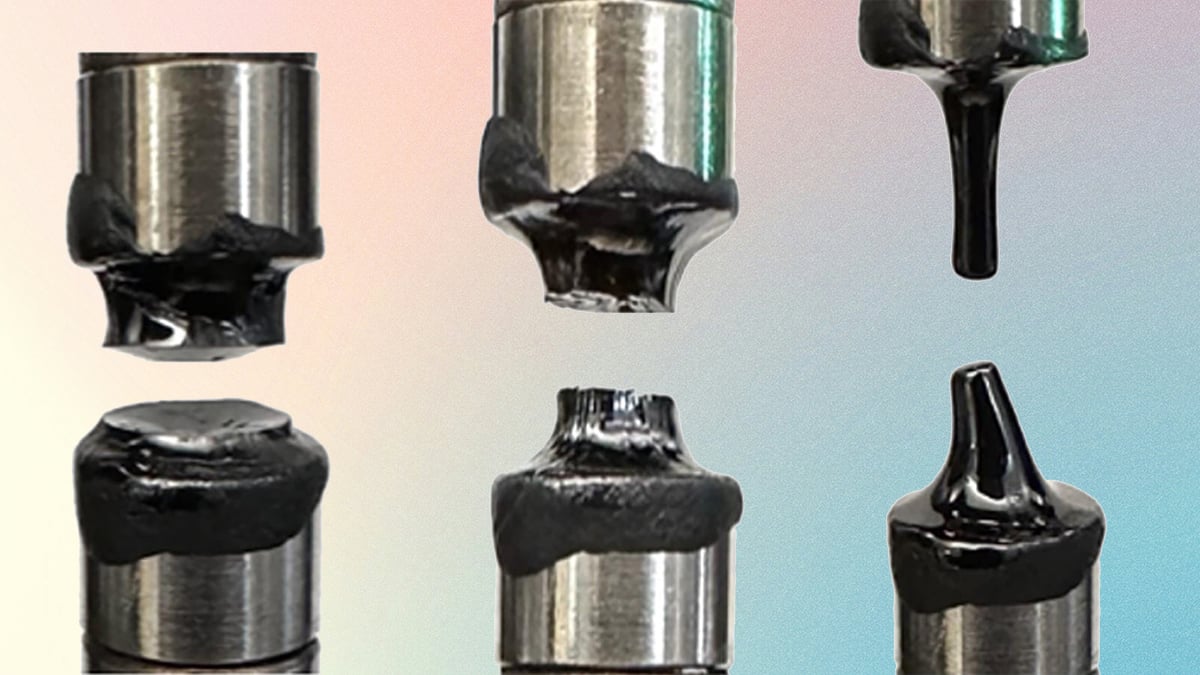
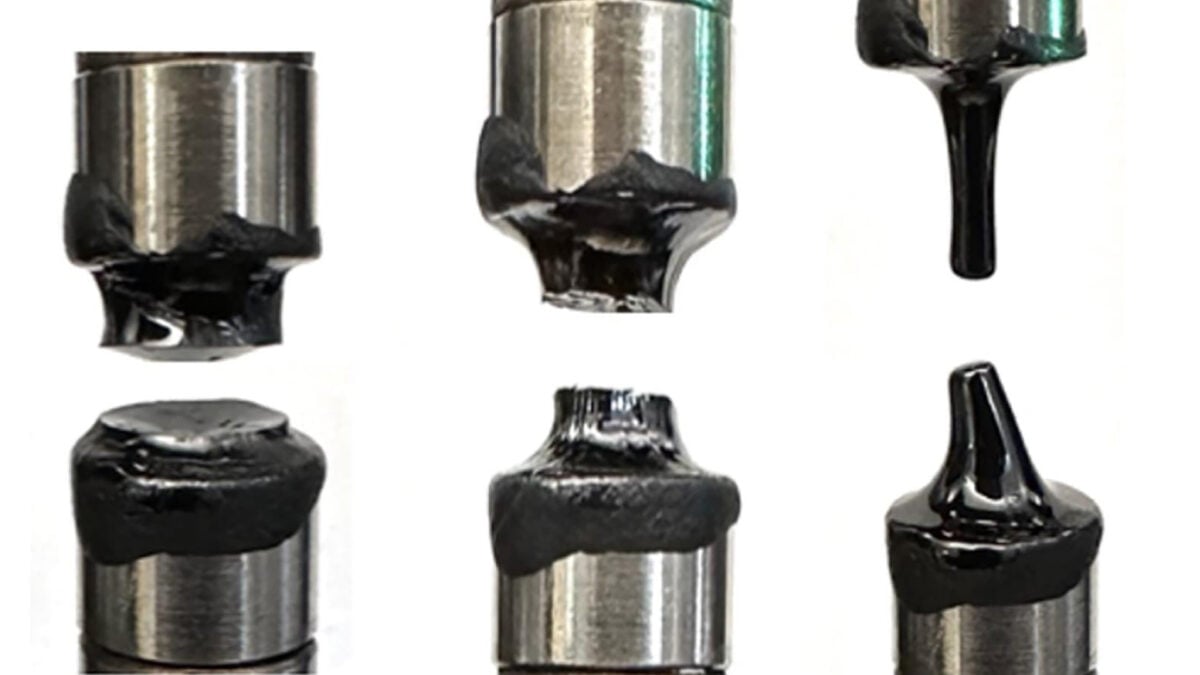
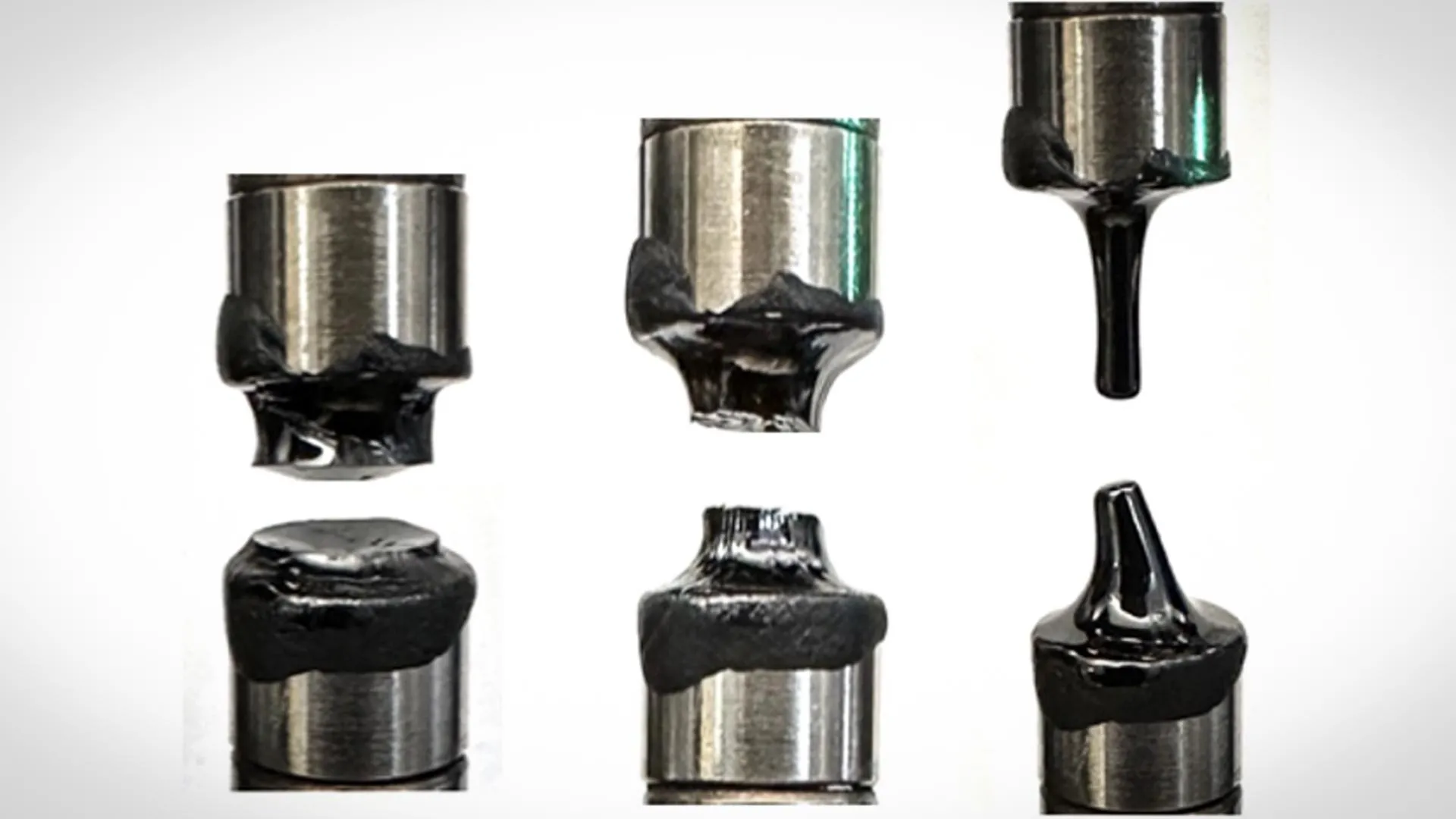
The breakthrough came when doctoral researcher Thamires Lima, working in Professor Nicolas Alvarez's lab at Drexel's College of Engineering, was conducting extensional rheology tests — experiments that measure the forces required to stretch and pull apart various fluids. The team was working with tar-like hydrocarbon blends, viscous liquids similar to the kind used in asphalt and heavy industrial lubricants, when something entirely unexpected happened. "The fracture caused a very loud snapping noise that actually startled me," Lima recalled. "I thought at first the machine had broken, but soon realized that the noise came from the stretching fluid."
What Lima had witnessed was brittle fracture in a simple liquid — behavior that physicists had previously associated exclusively with solid materials like glass, ceramics, or metals. Under sufficient extensional stress, the viscous hydrocarbon blend did not gradually neck down and form a thread before breaking, as traditional fluid mechanics would predict. Instead, it reached a critical stress threshold of approximately 2 megaPascals — roughly equivalent to the pressure of a laundry bag filled with 10 bricks landing on a fingernail — and snapped cleanly apart like a glass rod. To confirm that this behavior was not an artifact of the particular chemical composition of their initial test fluid, the team conducted experiments with styrene oligomer, a chemically distinct liquid with similar viscosity, and found it fractured under the same conditions, suggesting that viscosity itself is the key physical parameter governing the behavior.
The research, conducted in collaboration with ExxonMobil Technology and Engineering Company, suggests that the current understanding of what makes liquids different from solids needs revision. Classical physics treats viscosity primarily as a parameter governing flow resistance, but the Drexel results indicate it plays a far more central role in determining a fluid's mechanical response to stress — including its capacity to fail catastrophically rather than deform continuously. The mechanism likely involves cavitation, the rapid formation and collapse of microscopic vapor bubbles within the fluid as stress concentrates locally, similar to what happens in solid fracture at the atomic scale.
The practical applications of this discovery could be considerable. Understanding the conditions under which hydraulic fluids can fracture rather than flow has direct implications for the design of hydraulic machinery, where unexpected fluid failure could cause system damage or failure. In biomedical contexts, the mechanics of blood flow in severely constricted vessels may need to be reconsidered if blood plasma can under extreme conditions exhibit fracture behavior. For the materials science and manufacturing industries, the findings could inform 3D printing processes that use viscous fluids and fiber-spinning operations where controlling fluid behavior under tension is critical to product quality. The researchers say their next steps involve mapping the full parameter space in which liquid fracture can occur, including temperature, viscosity, and the geometry of the flow, to build a comprehensive predictive model.