Scientists Discover Simple Liquids Can Snap Apart Like Glass Under Extreme Stress — and It Makes an Audible Crack
Drexel University researchers found that ordinary liquids fracture at a 'critical stress' of about 2 megaPascals, breaking at speeds of up to 1,500 meters per second in a phenomenon governed by viscosity rather than elasticity.
Researchers at Drexel University have overturned a fundamental assumption in materials science, demonstrating that liquids under sufficiently extreme conditions can fracture in exactly the same way as solids — a finding that challenges the classical definition of what separates liquids from solid materials and has direct implications for the design of high-pressure industrial systems and the study of geological processes deep within the Earth. The experiments, published Monday in the journal Nature Physics, showed that water and several other common liquids subjected to rapid mechanical stress can snap cleanly in two, generating cracks that propagate at speeds of 500 to 1,500 meters per second and requiring a critical pressure of approximately 2 megapascals to initiate.
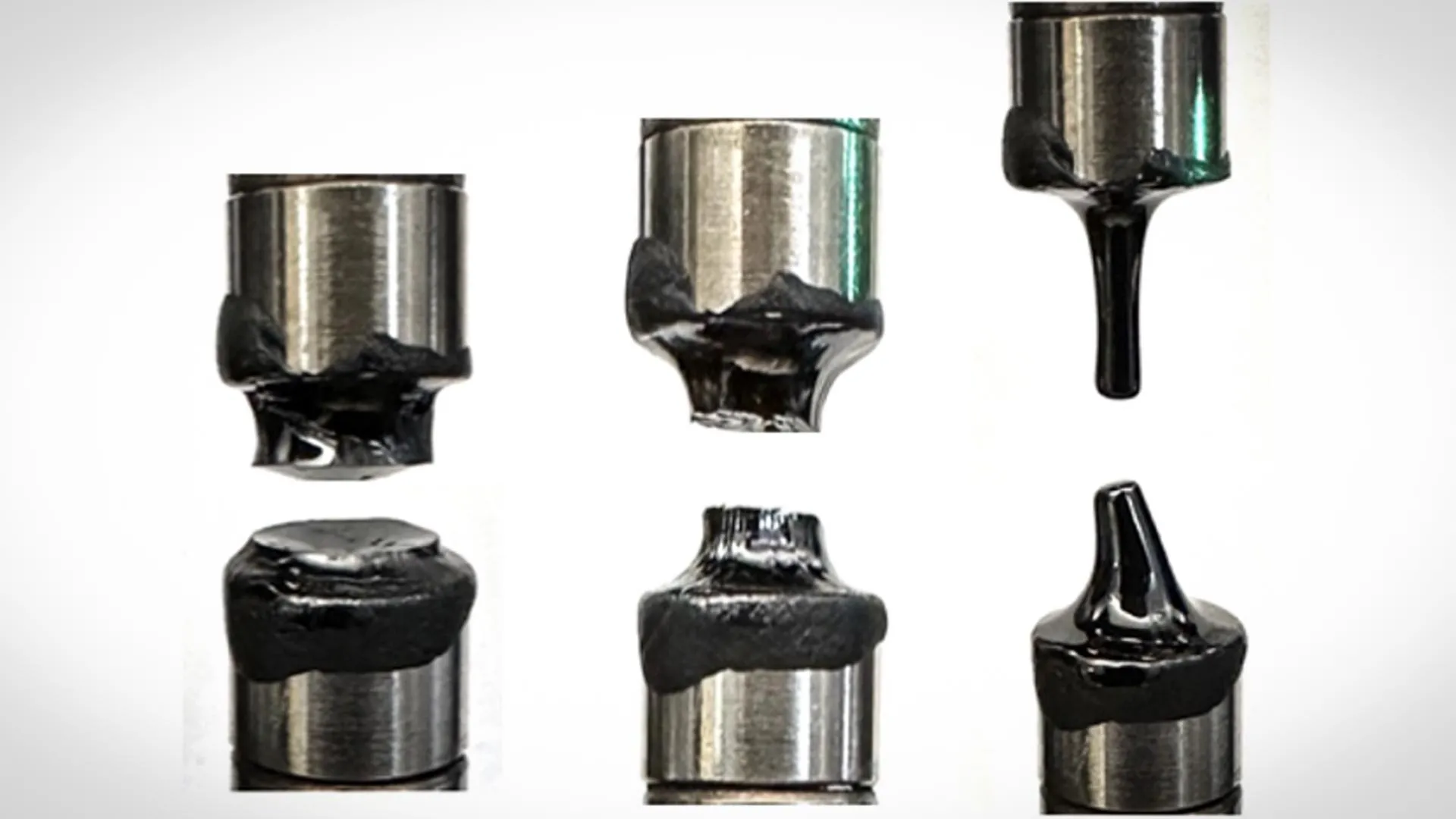
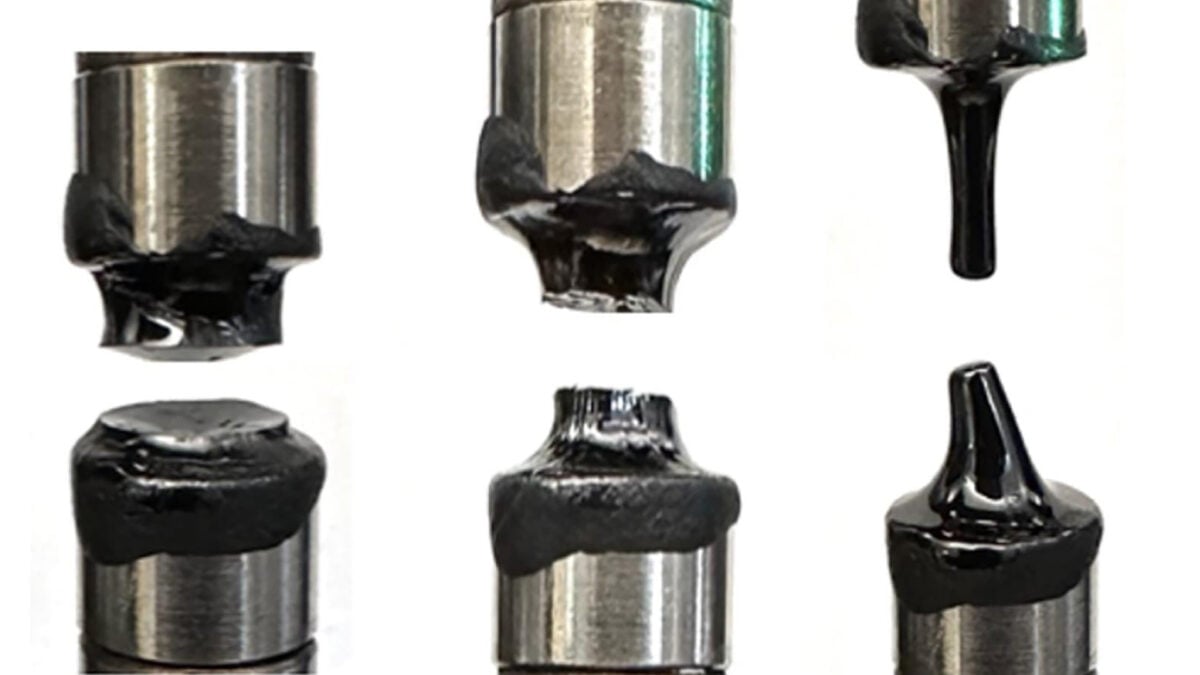
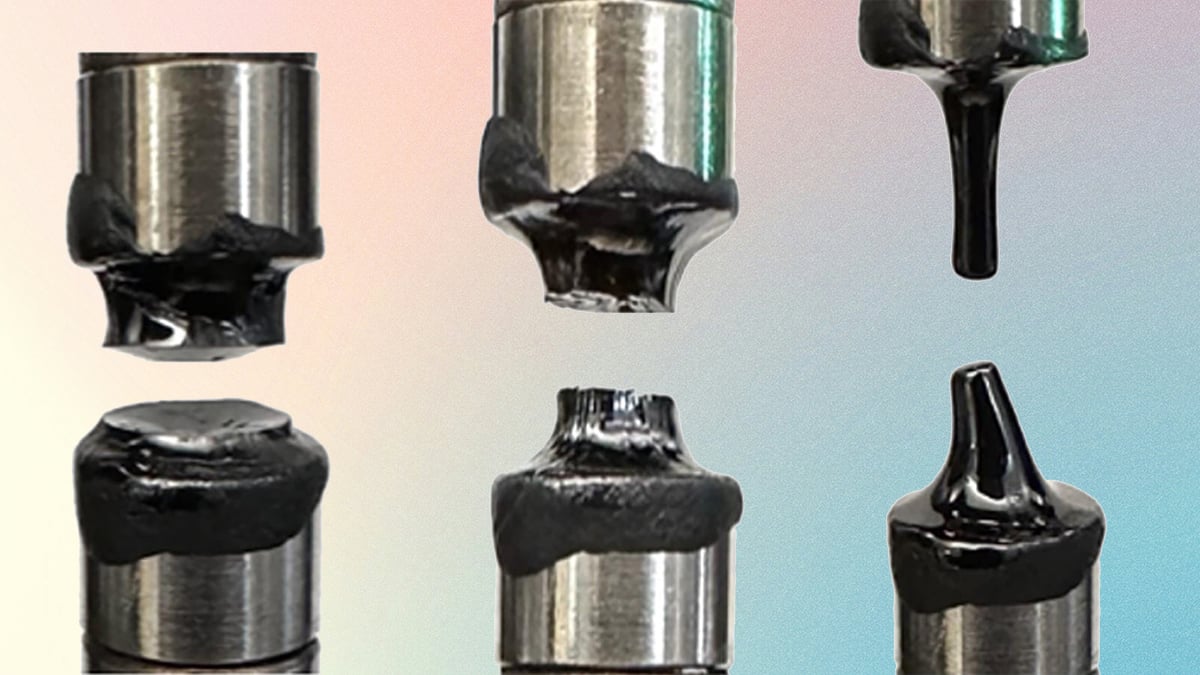
The discovery emerged from experiments using laser-induced stress pulses that allowed the team to load liquid samples at rates far faster than those achievable with conventional high-pressure equipment. At loading rates slow enough to allow the liquid to flow, the samples behaved exactly as expected — redistributing stress and deforming without fracture. But above a critical loading rate, the liquids entered what the researchers called a "solid-like" regime in which their molecular rearrangement could not keep pace with the applied stress, and the material fractured catastrophically along well-defined surfaces. High-speed cameras operating at millions of frames per second captured the propagation of cracks through the liquid samples in striking images that the team said were difficult to distinguish from fracture events in glass.
"The textbook definition of a liquid is that it has no resistance to shear and flows under any applied force given enough time," said Dr. Yury Gogotsi, a materials scientist at Drexel who co-led the research. "What we showed is that if you take away the time, you take away the liquid's ability to be a liquid. Under fast enough stress, the distinction between liquid and solid effectively disappears." The observation is distinct from cavitation, the well-known phenomenon in which vapor bubbles form in a liquid under tension — the fractures the team observed were solid-crack-type events rather than the formation of voids.
The implications span multiple fields. In hydraulic systems operating at high pressures — including those used in aerospace, deep-sea drilling, and manufacturing — sudden pressure transients can generate stresses that exceed the critical threshold the team identified, potentially explaining certain catastrophic failures that have previously been poorly understood. Geophysicists are also interested in the finding because the conditions inside certain mineral-bearing fluids in the deep crust or upper mantle may occasionally meet the criteria for liquid fracture, with possible consequences for understanding fault mechanics and fluid-driven seismicity.
The team is now investigating whether the critical stress threshold varies significantly across different liquids and whether dissolved substances or pressure can lower it below conditions that might be encountered in practical systems. They are also exploring the possibility that the phenomenon plays a role in biological processes — specifically in the mechanics of how plants cavitate and embolize during drought, a process that involves the rapid rupture of water columns under tension in vascular tissue at stresses that may now need to be reinterpreted in light of the new findings.