Denmark Votes in Snap Election as PM Frederiksen Seeks Third Term After Greenland Standoff With Trump
Prime Minister Mette Frederiksen, whose approval soared after she publicly rejected Trump's demands to cede Greenland, goes to the polls Tuesday with her center-left bloc holding a nine-seat polling lead.
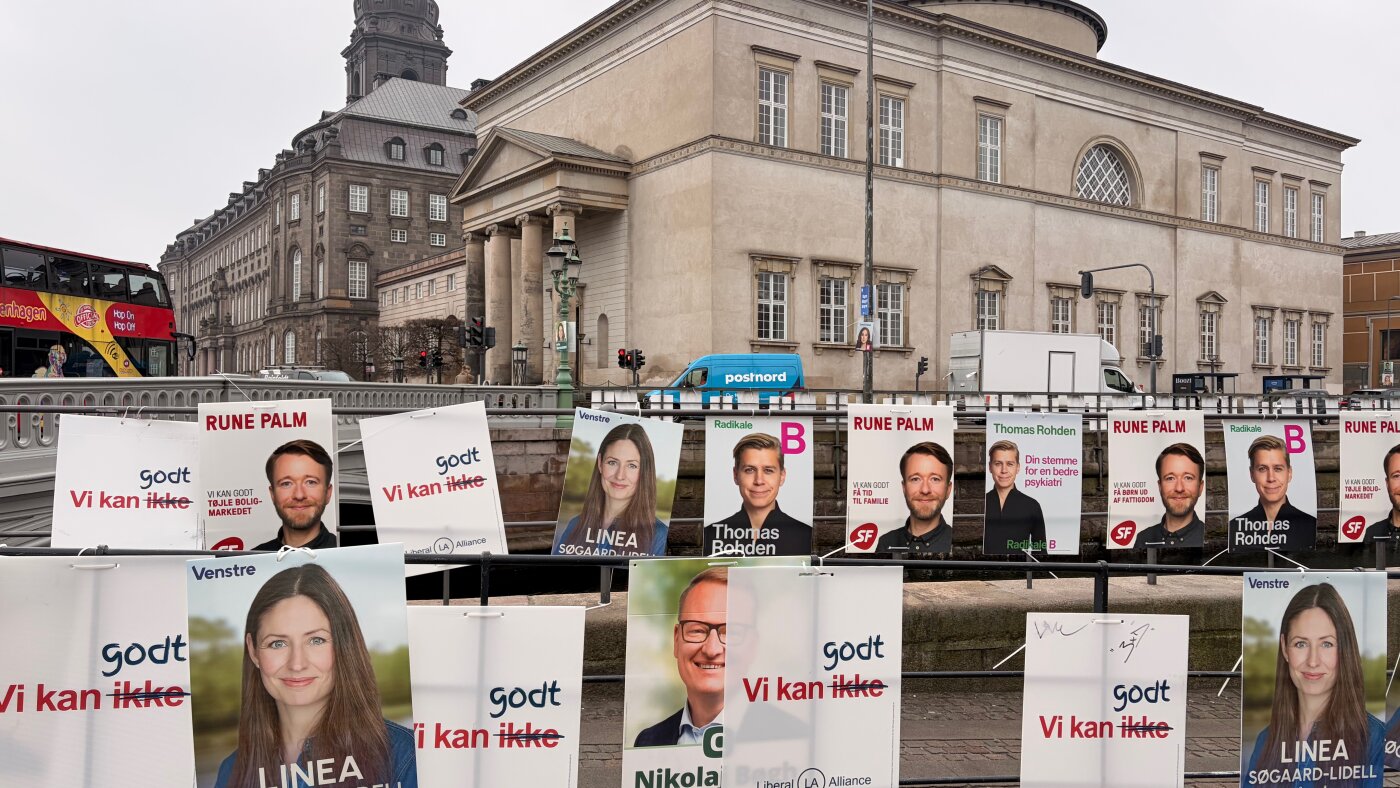
Danish voters went to the polls Tuesday in a snap parliamentary election called by Prime Minister Mette Frederiksen after her principled rejection of President Donald Trump's repeated demands that Denmark cede Greenland to the United States transformed her from a fading incumbent into one of Europe's most popular leaders — and gave her a political opening she moved quickly to exploit.
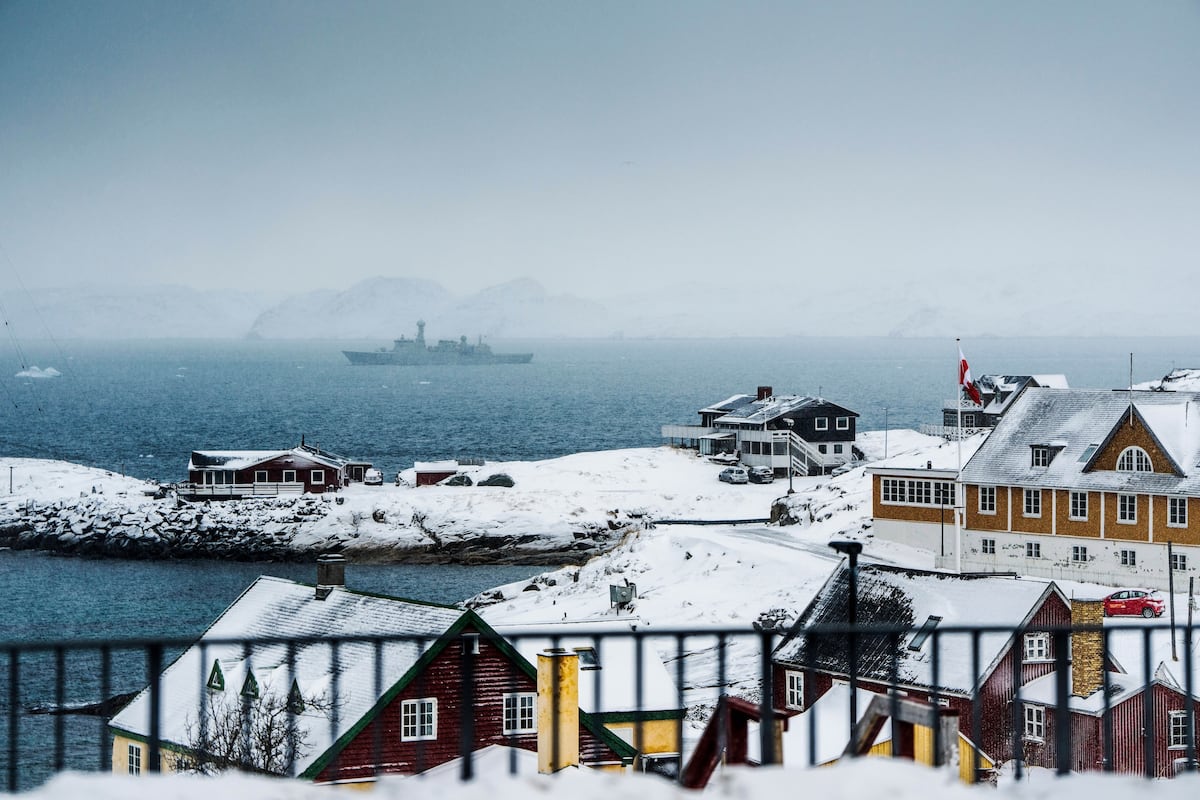
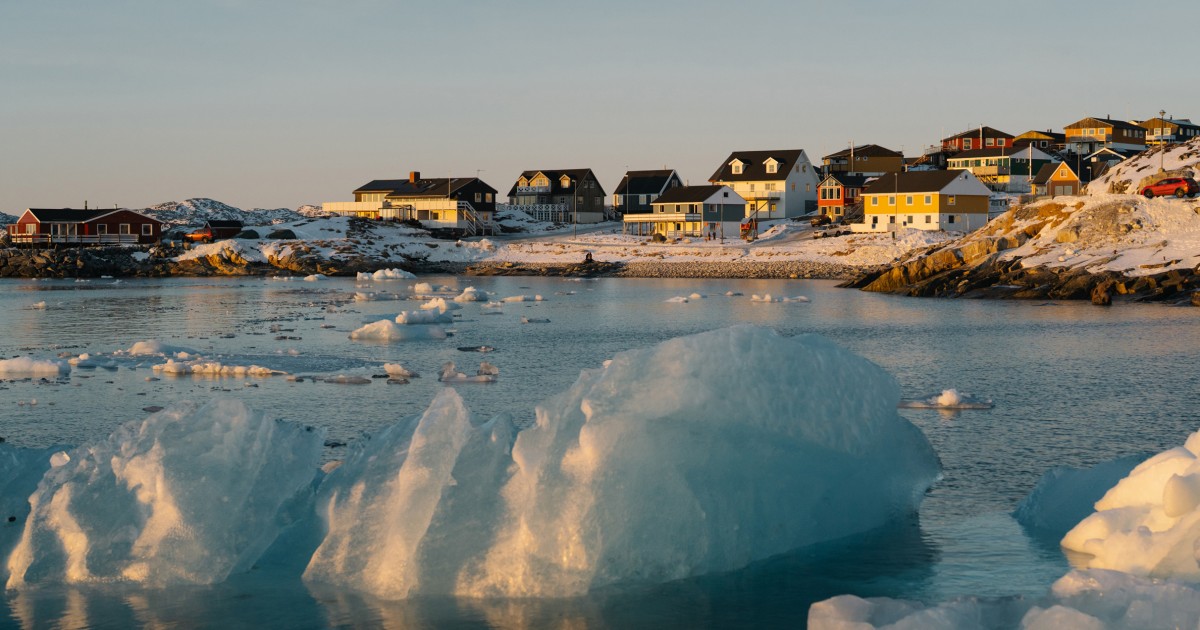
Frederiksen, 48, a Social Democrat who first took office in 2019, dissolved parliament in late February after polls showed her party rebounding to 20.9 percent support — a dramatic recovery from low-20s numbers she occupied before the Greenland crisis erupted in January. Trump had spent weeks threatening to use 'economic force' and, in more alarming moments, hinting at the possibility of military pressure to secure what he called 'the most important piece of real estate in the world' for American strategic purposes. Frederiksen publicly rejected the threats, traveled to Greenland to underline Danish sovereignty, and secured cross-party backing in the Folketing for a tenfold increase in Danish government investment in Greenlandic infrastructure — a surprise economic windfall that the prime minister has touted as a direct consequence of standing firm.
About 4.3 million Danish voters are registered to cast ballots in Tuesday's election, with polls opening at 8 a.m. and closing at 8 p.m. local time. All 179 seats in the Folketing, Denmark's unicameral parliament, are up for election — 175 from metropolitan Denmark and two each from Greenland and the Faroe Islands. Pre-election polling gave Frederiksen's center-left bloc a nine-seat lead over the right-wing coalition led by Venstre chairman Troels Lund Poulsen, though neither bloc is projected to secure an outright majority. Coalition negotiations are expected to follow regardless of the outcome, most likely bringing the Social Liberal Party back into a governing arrangement with the Social Democrats.
Frederiksen has worked throughout the campaign to redirect voter attention toward domestic concerns — hospital waiting lists, housing affordability, and the rising cost of living — even as Trump and Greenland have dominated international coverage. Defense spending has also emerged as a significant debate: Denmark has committed to raising military expenditure toward 3.5 percent of GDP by 2030, part of a broad NATO allies' response to sustained American pressure for greater European burden-sharing. The Greenland crisis had the unintended effect of accelerating both Danish defense investment and Copenhagen's engagement with Greenland's own independence aspirations, adding layers of complexity that go well beyond the bilateral spat with Washington.
If Frederiksen secures a third term, she will become the longest-serving Social Democratic prime minister in Denmark since Poul Nyrup Rasmussen governed through much of the 1990s. The election results are expected to begin arriving shortly after 8 p.m. Copenhagen time, with final tallies and coalition arithmetic likely clear by midnight local time. Whatever the outcome, Tuesday's vote will shape Denmark's posture toward NATO, its defense relationship with the United States, and the long-term trajectory of Greenlandic autonomy — issues that have suddenly acquired geopolitical urgency far beyond anything a Danish election cycle would normally generate.