Cuba's Power Grid Collapses for Third Time in March as U.S. Oil Blockade Tightens
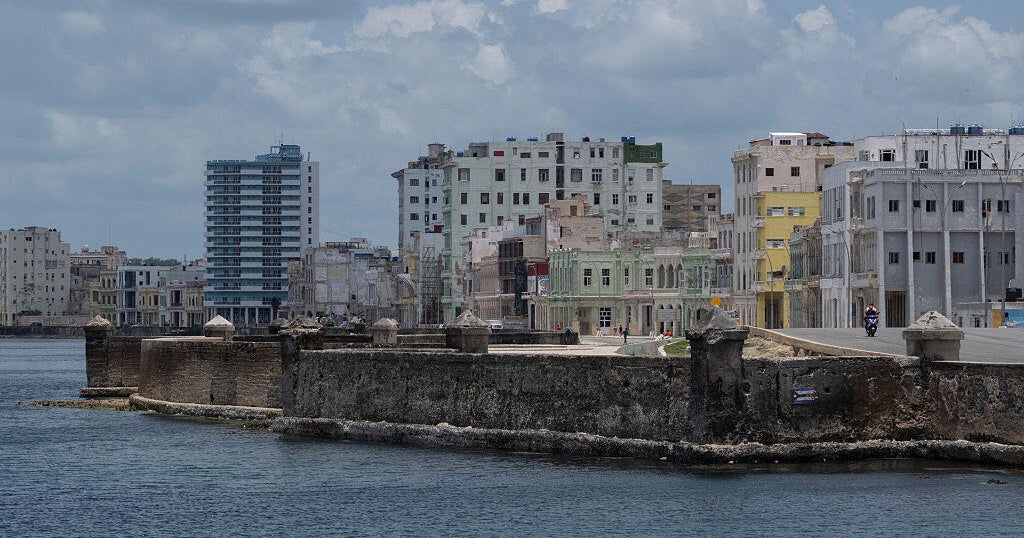
The island of 11 million people has gone dark again after an unexpected failure at the Nuevitas thermoelectric plant — the third nationwide blackout since March 16 as Cuba runs out of fuel.
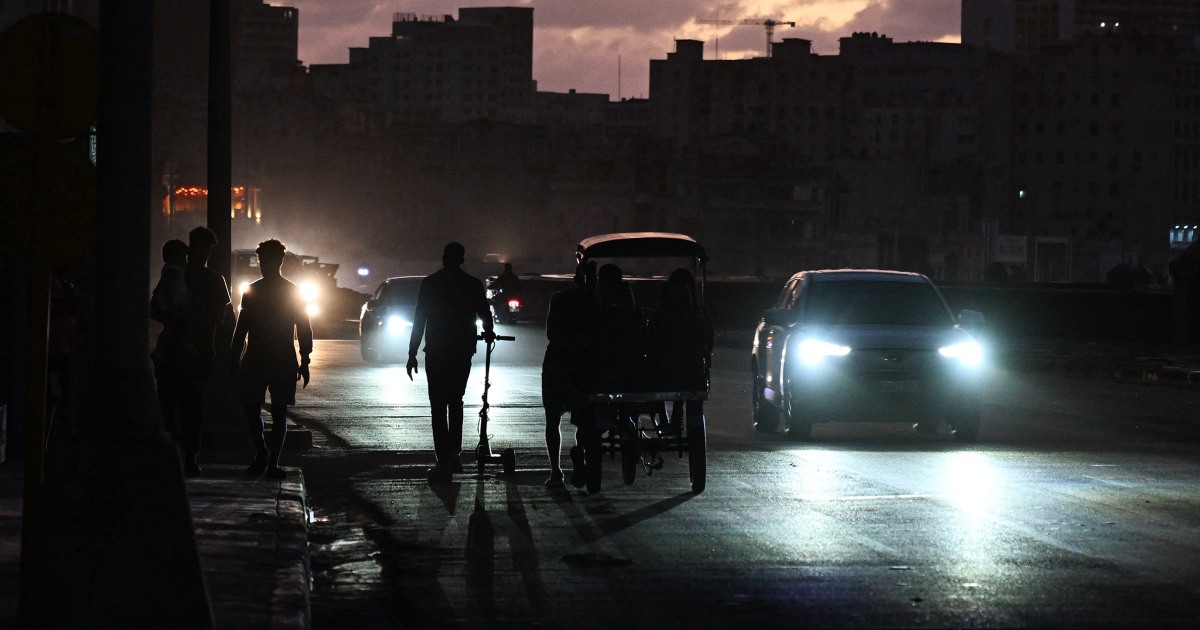
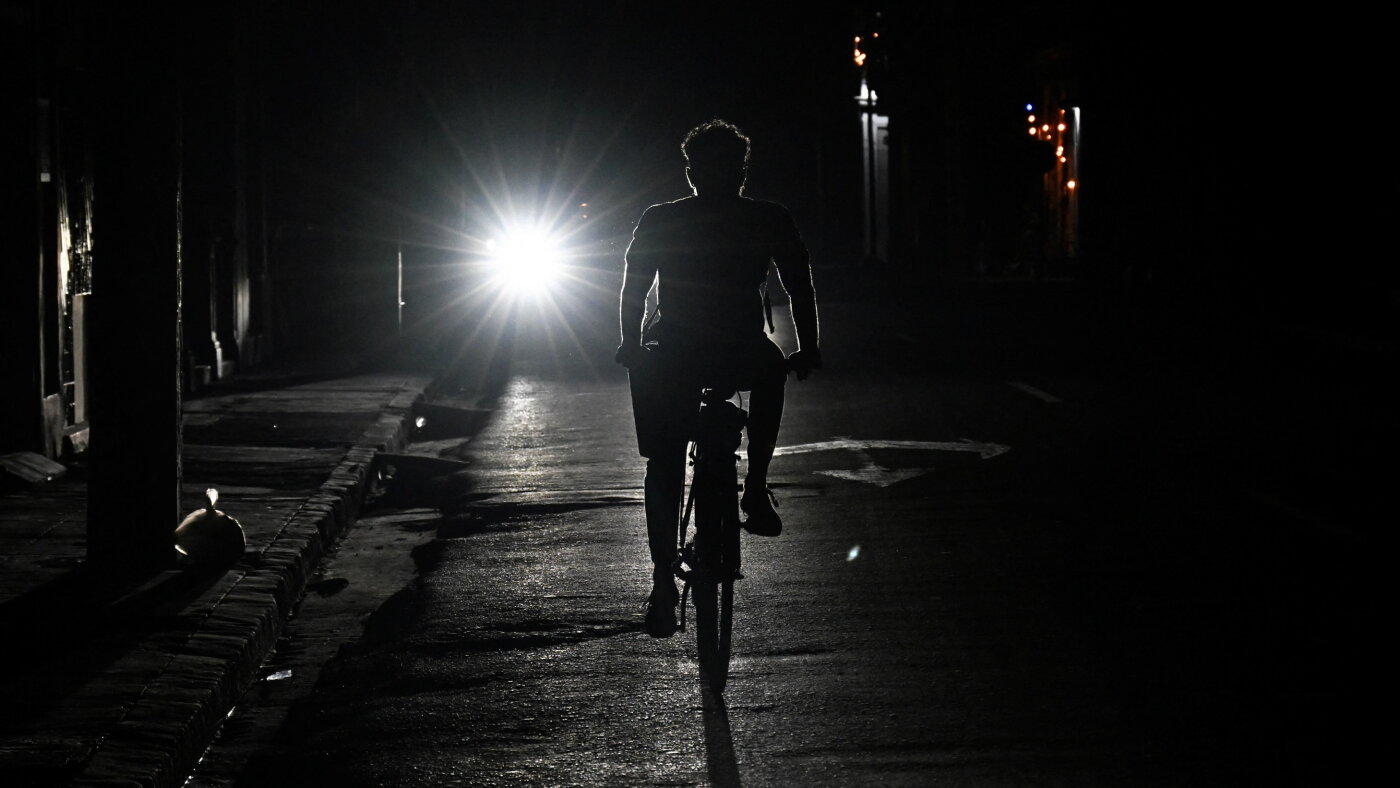
Cuba's electrical grid failed nationwide for the third time in a single week on Saturday, March 22, as the Caribbean island's crumbling infrastructure buckled under the weight of an effective oil embargo that has left it without meaningful fuel imports for nearly three months. The blackout plunged all 11 million residents into darkness and reignited protests in several provinces as the humanitarian situation on the island continued to deteriorate.
The collapse was triggered by an unexpected shutdown of a generating unit at the Nuevitas thermoelectric plant in Camagüey province on Saturday evening, causing a cascade failure that knocked out power across the island. It was the third nationwide blackout in seven days, following similar total collapses on March 16 and March 18. Cuba's state electricity company said engineers were working to restore power in sections, but by Sunday morning only roughly 72,000 customers in Havana had been reconnected — a fraction of the capital's 2 million residents. Five hospitals were given priority access through local power microsystems, but fuel to run backup generators at other medical facilities was also running low.
The root cause is an energy crisis of historic proportions. Cuba has received no diesel, fuel oil, gasoline, aviation fuel, or liquefied petroleum gas for approximately three months. The island domestically produces only around 40 percent of the fuel it needs. The rest has traditionally come from Venezuela, Russia, and Mexico — supply lines that have been effectively severed. The Trump administration's January 2026 threat of steep tariffs against any country selling oil to Cuba, combined with the political collapse of Nicolás Maduro's Venezuelan government and the end of its petroleum shipments, has left Cuba without functional energy imports. Oil tankers have turned away from Cuban ports rather than face U.S. sanctions, and no replacement suppliers have emerged.
Cuba's military said Saturday it was actively preparing a defense of the island against possible U.S. military action, after President Trump publicly mused about 'taking Cuba' in a series of social media posts. Cuban Deputy Foreign Minister Carlos Fernández de Cossío told NBC News the threats were 'completely illegal under international law' and that Cuba had the right to defend its sovereignty. Trump's comments came as U.S. military attention and resources are heavily committed to the ongoing Iran war in the Persian Gulf, and security analysts said a military operation against Cuba would be logistically and politically extraordinary under current conditions. Nevertheless, the Cuban government ordered its armed forces to heightened readiness.
The humanitarian situation on the island is worsening rapidly. Residents described broken appliances from power surges and voltage irregularities, water shortages caused by electrical pumps failing, and long queues outside government food distribution points. Food spoilage has become severe as refrigerators cycle between power and no power multiple times a week. Street protests broke out in Havana, Santiago de Cuba, and Holguín on Saturday night, with demonstrators blocking roads and demanding the government find a solution. Police responded in force. Cuba's government has blamed the United States directly for the crisis, calling it economic warfare designed to topple the communist system, and has appealed to the United Nations Human Rights Council to investigate what it calls a 'humanitarian blockade.' The U.S. State Department has not commented specifically on the energy crisis, though senior officials have said the maximum pressure campaign on Cuba is intended to accelerate political change on the island.