Colorado Appeals Court Overturns Homicide Convictions of Paramedics in Elijah McClain's Death
The court ordered new trials for two Aurora medics who injected a massive ketamine dose into McClain in 2019, finding jurors got faulty instructions. The state attorney general vowed to appeal to Colorado's Supreme Court.
The Colorado Court of Appeals has reversed the criminally negligent homicide convictions of two former Aurora paramedics who injected a powerful sedative into Elijah McClain in 2019, ordering new trials in a case that became a national flashpoint over the use of ketamine in police encounters.
In an opinion issued Thursday, the appellate judges ruled that former Aurora Fire Rescue paramedics Jeremy Cooper and Peter Cichuniec should be retried on the homicide charges because jurors had not been given proper instructions about the standard of care that applied to the medics. The court vacated the homicide convictions for both men while upholding the second-degree assault conviction against Cichuniec, who administered the drug.
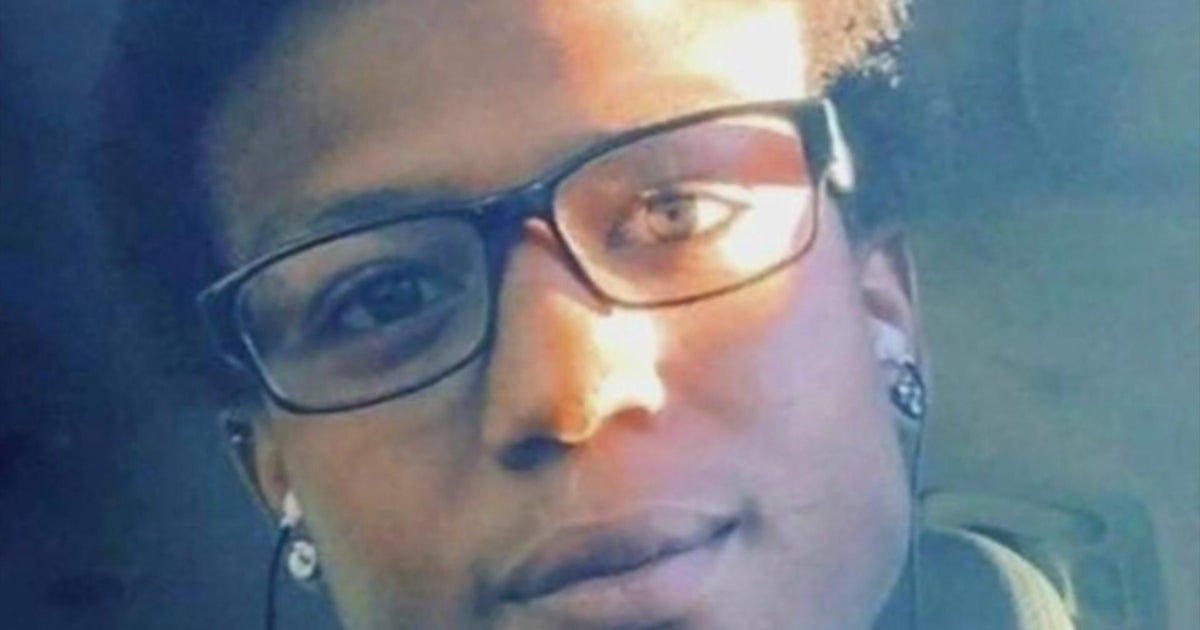
The case stems from the night of Aug. 24, 2019, when McClain, a 23-year-old unarmed Black man, was stopped by Aurora police as he walked home. By the time the paramedics arrived, he was already handcuffed, face down on the ground, and had lost consciousness once. The medics determined that he should receive 500 milligrams of ketamine — a dose far higher than appropriate for McClain, who weighed just 143 pounds. He lost consciousness after the injection and never recovered, dying days later.
McClain's death, alongside a wave of protests in 2020, transformed an initially overlooked case into a symbol of the dangers of sedating people in police custody. Cichuniec and Cooper became among the first paramedics in the country to be criminally convicted over such a death, a prosecution that medical and emergency-response groups watched closely for its implications about who bears responsibility when a patient dies in the chaos of a police scene.
The legal fight is far from over. Attorney General Phil Weiser, whose office served as a special prosecutor after Gov. Jared Polis appointed him to review the case when a local district attorney declined to bring charges, said he would ask the Colorado Supreme Court to reverse the appeals court's opinion. That sets up a further round of litigation that could determine whether the men face new trials at all.
For McClain's family and the activists who spent years pressing for accountability, the ruling landed as a painful setback in a saga that has already reshaped Colorado law, prompting new limits on the use of ketamine by emergency responders and bans on the type of carotid hold police used on McClain. Whatever the state's highest court ultimately decides, the reversal reopens wounds in a case that came to define a national reckoning over policing and medical care.