Colombia Military C-130 Carrying 125 Soldiers Crashes in Amazon, Killing at Least 66
A Colombian Air Force Hercules transport plane went down 1.5 kilometers from its takeoff point near Puerto Leguizamo, detonating onboard ammunition and igniting a fireball in the jungle.

A Colombian Air Force C-130 Hercules carrying 125 soldiers and crew members crashed shortly after takeoff on Monday in the remote Amazon jungle of Putumayo province, killing at least 66 people and injuring dozens more in one of the deadliest military aviation disasters in Colombian history. The aircraft went down approximately 1.5 kilometers from Puerto Leguizamo air base, where it had departed on a routine transport mission along the southern border region adjacent to Ecuador and Peru. The impact detonated ammunition stored in the cargo hold, triggering a massive fireball that consumed most of the aircraft and complicated rescue operations in the dense jungle terrain.
Defense Minister Pedro Sanchez confirmed at a press conference in Bogota that the plane "hit the ground just 1.5 kilometers from where it took off, leading to the detonation of ammunition and setting the aircraft ablaze." Armed forces commander General Hugo Alejandro Lopez Barreto said investigators found no indication that the crash was caused by an attack by illegal armed groups, which operate extensively throughout Putumayo — one of Colombia's most conflict-affected departments and a major coca-growing region along the country's southern border. Preliminary evidence pointed to a mechanical failure, though investigators have not yet determined the exact cause. A black box recording device was recovered from the wreckage.
The human toll was catastrophic given the aircraft's cargo. Puerto Leguizamo's deputy mayor Carlos Claros said the town's small morgue was overwhelmed and its two local clinics were treating injured survivors before they could be evacuated to larger medical facilities in the capital. Air force commander Carlos Fernando Silva dispatched two transport aircraft equipped with 74 hospital beds to ferry the most critically injured to hospitals in Bogota, Pasto, and Florencia. Emergency medical teams from the Colombian Red Cross and the national civil defense agency were deployed to the crash site, with medics describing difficult working conditions in the thick jungle undergrowth surrounding the runway.
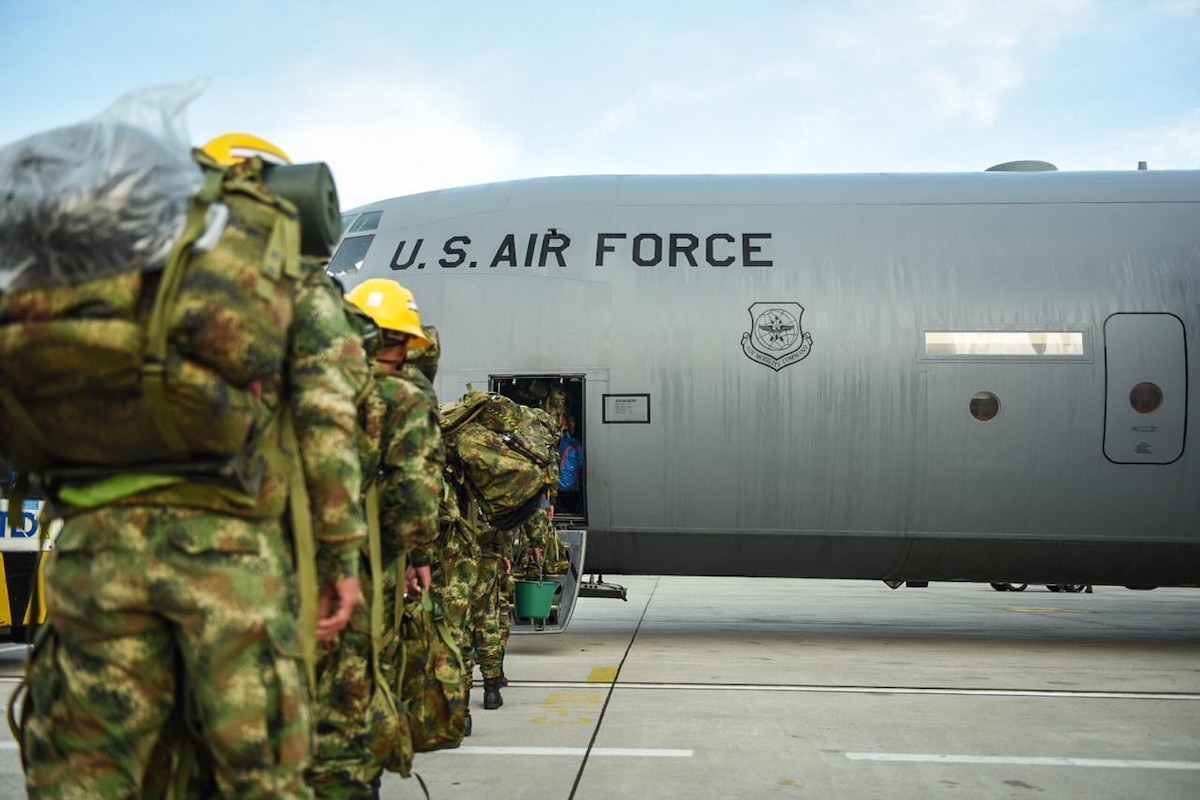
The C-130 Hercules is a four-engine turboprop military transport aircraft made by Lockheed Martin and first introduced in 1956. The Colombian Air Force operates a fleet of the aircraft for logistics support in regions of the country too remote for road access, including many conflict zones in the Amazon basin, where illegal mining, coca cultivation, and guerrilla activity by FARC dissidents and the ELN rebel group remain active. The specific airframe that crashed was reported to be an older model requiring specialized maintenance, though defense officials declined to comment on the aircraft's service history or when it had last undergone full maintenance inspection.
President Gustavo Petro declared a three-day national mourning period and traveled to Putumayo to personally oversee rescue operations, cutting short a diplomatic trip to Mexico City. In a statement from the scene, Petro called the crash "a tragedy that wounds all of Colombia" and pledged a full investigation into the causes. He also called on the armed forces to conduct an immediate safety review of all C-130 aircraft in service. Colombia's Congress convened an emergency session Tuesday to receive a briefing from the defense ministry. Opposition lawmakers immediately called for a congressional investigation into the state of military aviation equipment, noting that the Colombian armed forces have experienced at least six military aircraft incidents resulting in fatalities in the last three years.