China Is Secretly Supplying Iran with Missile Components Despite US-Israeli Bombing Campaign, Intelligence Finds
US agencies have tracked sodium perchlorate shipments — a key rocket propellant ingredient — flowing to Iranian defense facilities through third-country intermediaries, officials say.

US intelligence agencies have concluded that China is secretly supplying Iran with sodium perchlorate and other critical components needed to reconstitute its ballistic missile program, according to officials familiar with the intelligence, in a development that threatens to significantly extend the Iran conflict and complicate Washington's relationship with Beijing.
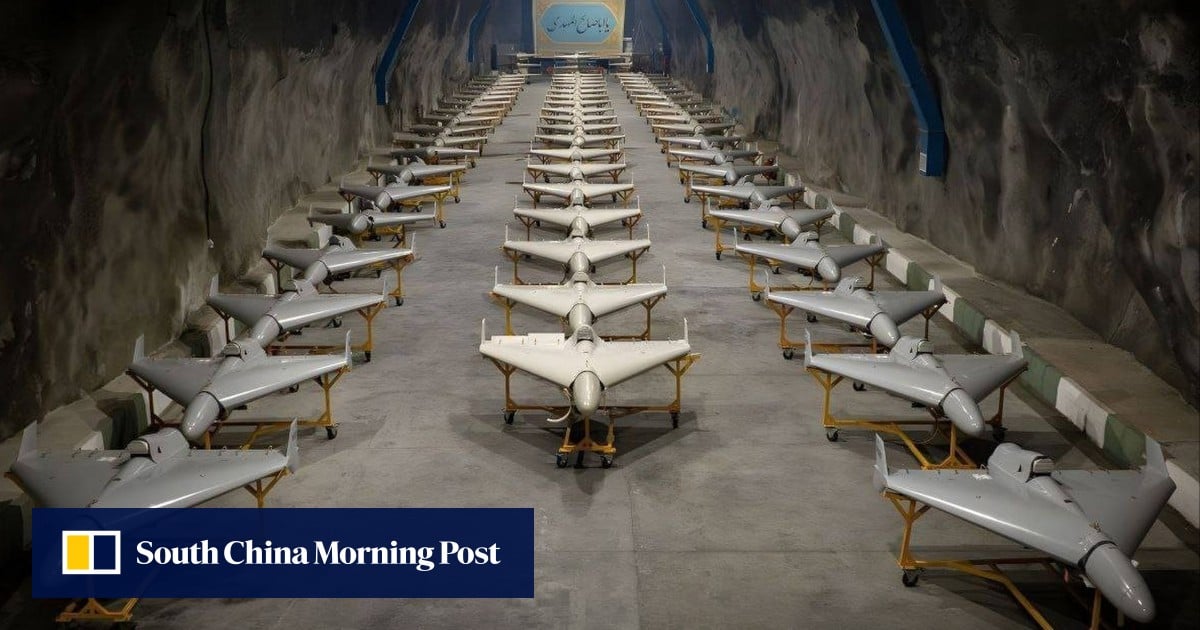
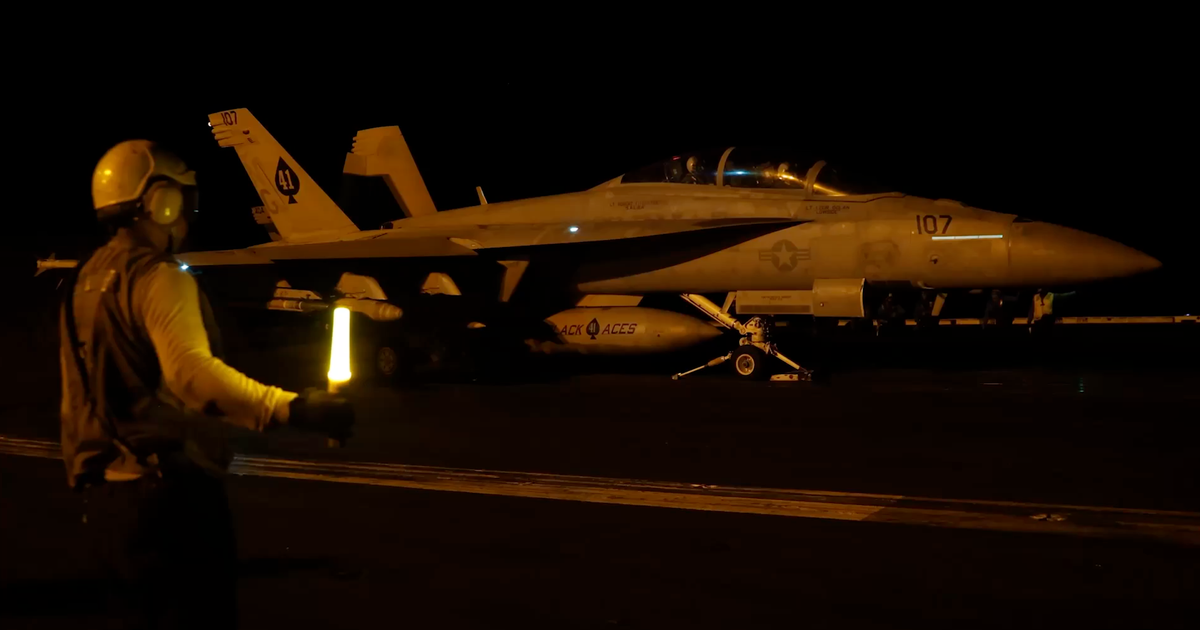
Sodium perchlorate is a key ingredient in solid-fuel rocket propellant, and its transfer to Iran — even as American and Israeli airstrikes have spent weeks systematically targeting Iranian missile production facilities, launch sites, and underground bunkers — suggests that China is actively working to replenish Iran's degraded capabilities. The transfers, intelligence officials say, have continued even after Washington privately raised concerns with Beijing through diplomatic channels.
The disclosure adds a significant new dimension to a conflict that has already drawn in Russia, which has been found to have provided Iran with satellite targeting intelligence on Israeli energy infrastructure. Together, the Russian and Chinese involvement has transformed what might have appeared to be a US-Israeli versus Iran confrontation into something closer to a great-power proxy conflict — with Tehran serving as the instrument through which both Moscow and Beijing can impose costs on American interests without direct military engagement.
China's foreign ministry denied the allegations in a statement, saying Beijing opposes the proliferation of weapons of mass destruction and calling the claims "groundless accusations" designed to smear China's relationship with Iran. The ministry reiterated China's position that the conflict should be resolved through dialogue and that all parties should exercise restraint.
But US officials say the evidence of Chinese transfers is specific and credible. Sodium perchlorate shipments have been tracked through third-country intermediaries, a common technique for circumventing sanctions, with the final destination traced to Iranian defense facilities. The scale of the transfers, officials say, is sufficient to restore meaningful ballistic missile production capacity within weeks, not months — a timeline that has alarmed US Central Command planners who had calculated that Iranian missile capabilities would remain significantly degraded for much longer following the strikes.
The intelligence has prompted urgent debate within the National Security Council about how to respond. Options under consideration include publicly naming Chinese entities involved in the transfers and subjecting them to secondary sanctions — a step that would risk further deterioration in US-China relations at an already tense moment. Other officials have argued for using the intelligence as leverage in ongoing diplomatic discussions over trade and Taiwan, though critics of that approach say it conflates separate issues.
Members of Congress on both sides of the aisle reacted with alarm when briefed on the intelligence in closed-door sessions last week. Senate Armed Services Committee Chairman Tom Cotton called for immediate secondary sanctions, saying China was "funding and fueling Iranian aggression" and must face consequences. Democratic senators expressed concern but urged a measured response that would not trigger a broader confrontation with Beijing.
For Iran, Chinese assistance represents a potential lifeline. Weeks of concentrated US and Israeli airstrikes have degraded the country's missile production infrastructure significantly — destroying assembly facilities, eliminating senior engineers, and striking underground storage sites. With American and Israeli intelligence services continuing to hunt for remaining production nodes, the ability to rapidly import key materials from China could meaningfully accelerate Iran's recovery.
The revelations about both Russian and Chinese involvement have intensified calls from some quarters for a broader international coalition to enforce the blockade on Iranian military imports. Whether the White House will escalate pressure on both great powers simultaneously — while managing an active military campaign in the Persian Gulf — remains one of the central strategic challenges facing the administration.