Breakthrough: Scientists Control Electrons Without Magnets Using Atomic Vibrations
Revolutionary discovery harnesses "chiral phonons" to generate orbital motion in electrons, opening path to next-generation computing without heavy magnetic materials.
Scientists have achieved a breakthrough that could transform the future of computing by demonstrating how tiny atomic vibrations can directly control electron behavior without requiring magnets, batteries, or even electrical voltage. Researchers from North Carolina State University and the University of Utah successfully used "chiral phonons"—spiral-like atomic vibrations—to generate orbital angular momentum in electrons within non-magnetic materials. This discovery opens the door to a new field called orbitronics, where data processing relies on electron orbital motion rather than traditional charge or spin properties.
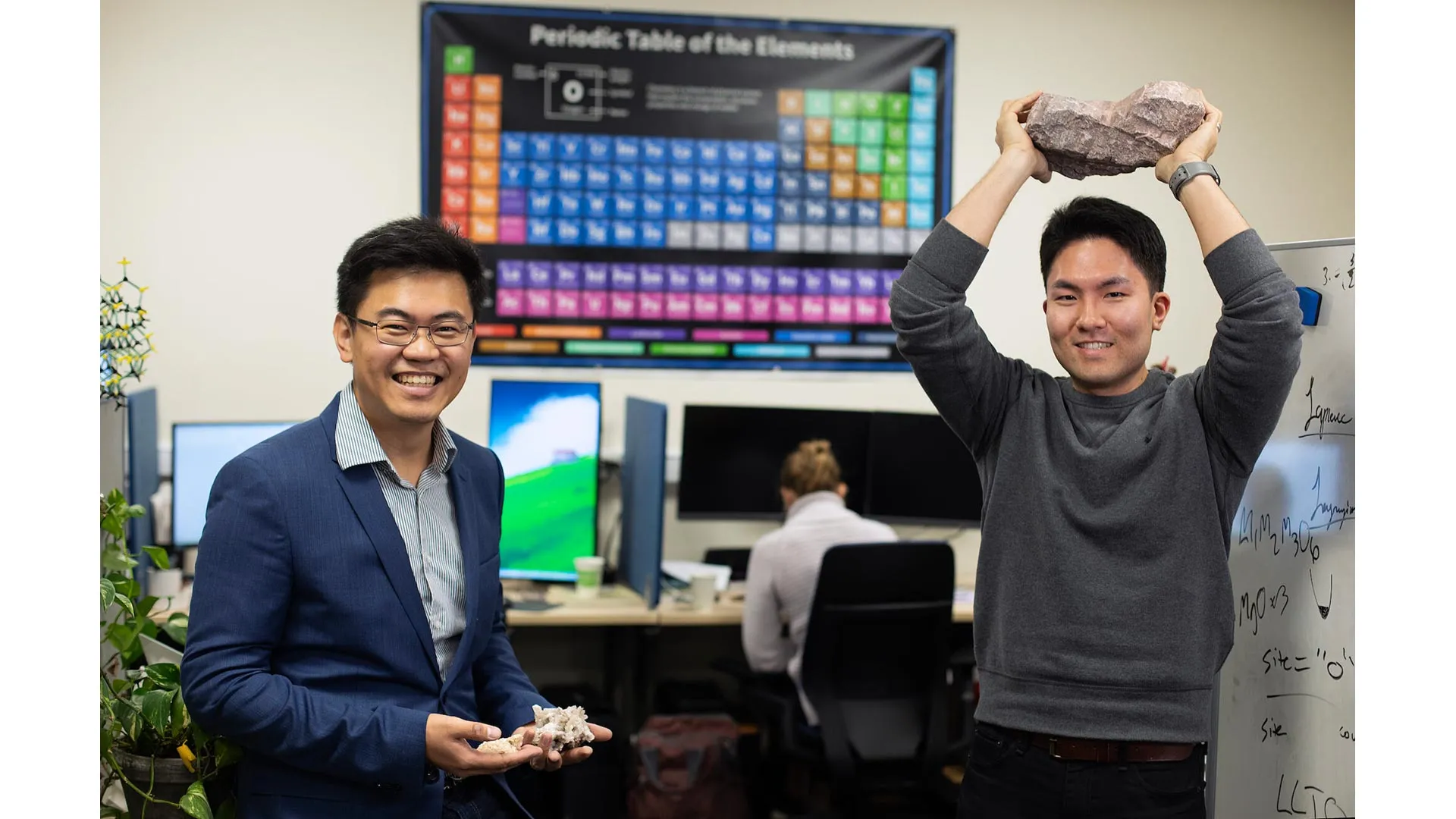
The advancement addresses a major limitation in developing orbital-based computing technologies. Traditional methods for controlling electron orbital motion require expensive transition metals like iron, many of which are now classified as critical materials with limited global supply chains. "We don't need a magnet. We don't need a battery. We don't need to use voltage. We just need a material with chiral phonons," explained Valy Vardeny, distinguished professor at the University of Utah and co-author of the study published in Nature Physics.
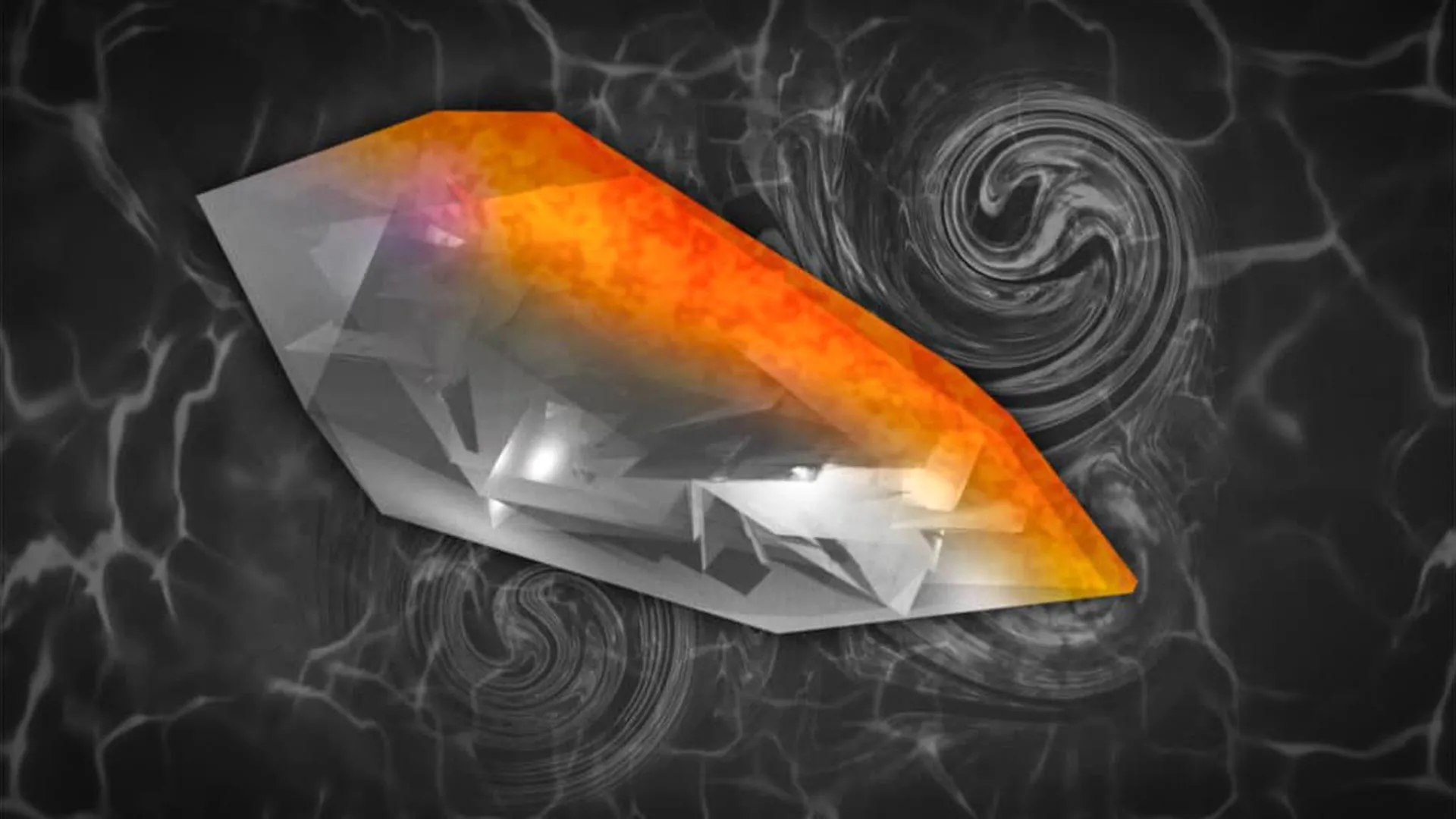
The breakthrough relies on a fundamental property called chirality—the same concept that makes your left and right hands non-superimposable mirror images. In materials like quartz, atoms arrange themselves in spiral patterns that twist either left-handed or right-handed directions. When atoms in these chiral materials vibrate, they don't simply move side-to-side like in symmetrical structures. Instead, they follow circular or spiral-like motions that create collective waves called chiral phonons throughout the material.
These spiral vibrations can transfer their rotational motion directly to electrons, causing them to orbit around atomic nuclei in controlled ways. This represents the first time scientists have demonstrated that chiral phonons can generate orbital angular momentum in electrons within non-magnetic materials. The process bypasses traditional requirements for heavy magnetic elements and complex electronic systems, potentially enabling much lighter, cheaper, and more efficient computing devices.
The implications extend far beyond fundamental physics research. Orbitronics could enable computers that process information using electron orbital states, potentially offering advantages in speed, energy efficiency, and data storage capacity. "The generation of orbital currents traditionally necessitates the injection of charge current into specific transition metals, and many of these elements are now classified as critical materials," noted Dali Sun, physicist at North Carolina State University and co-author of the study. The new approach could help overcome supply chain vulnerabilities while opening possibilities for entirely new classes of quantum devices and sensors.