Fermilab's Muon g-2 Experiment Wins $3M Breakthrough Prize for Hinting at Physics Beyond Standard Model
A 60-year multigenerational collaboration measured the muon's magnetic moment at 127 parts per billion — 30,000 times more precise than the 1965 baseline — revealing a persistent deviation.
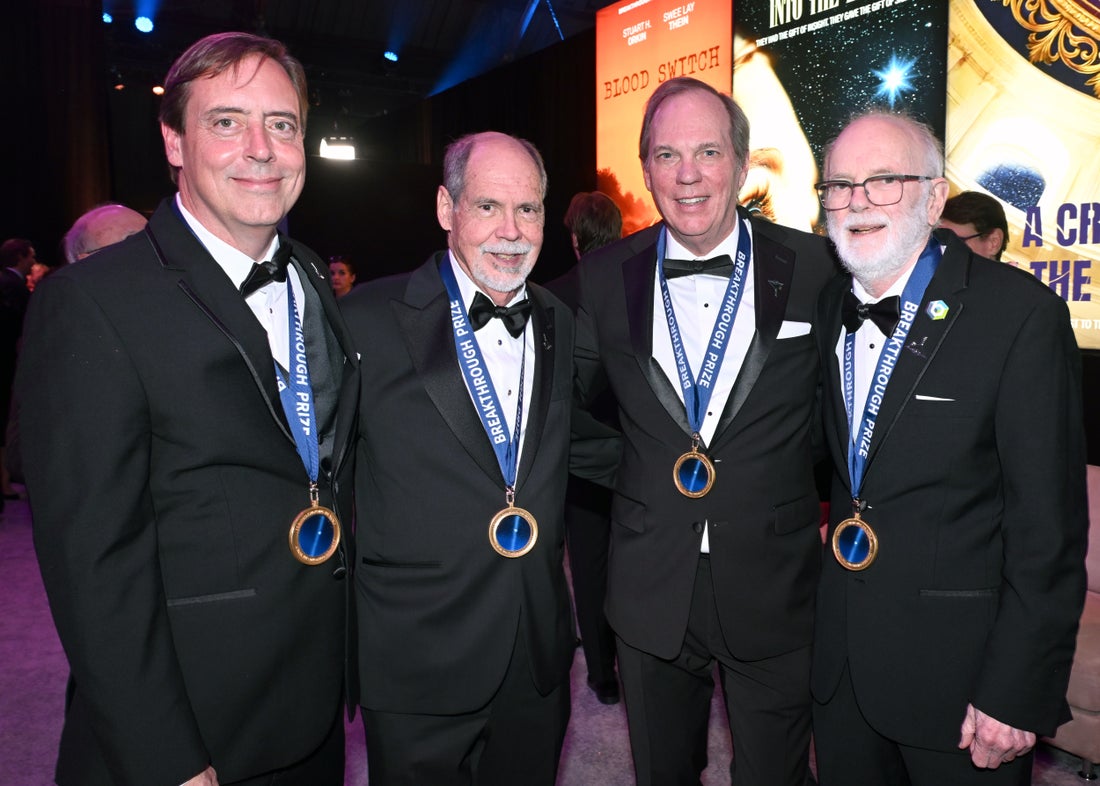
More than sixty years of experimental work on one of the most elusive particles in physics was honored on April 18 when the Breakthrough Prize Foundation awarded a $3 million Fundamental Physics Prize to three generations of scientists whose work measured the muon's magnetic properties with unprecedented precision — and found that the universe's most successful theory of matter may be missing something fundamental.
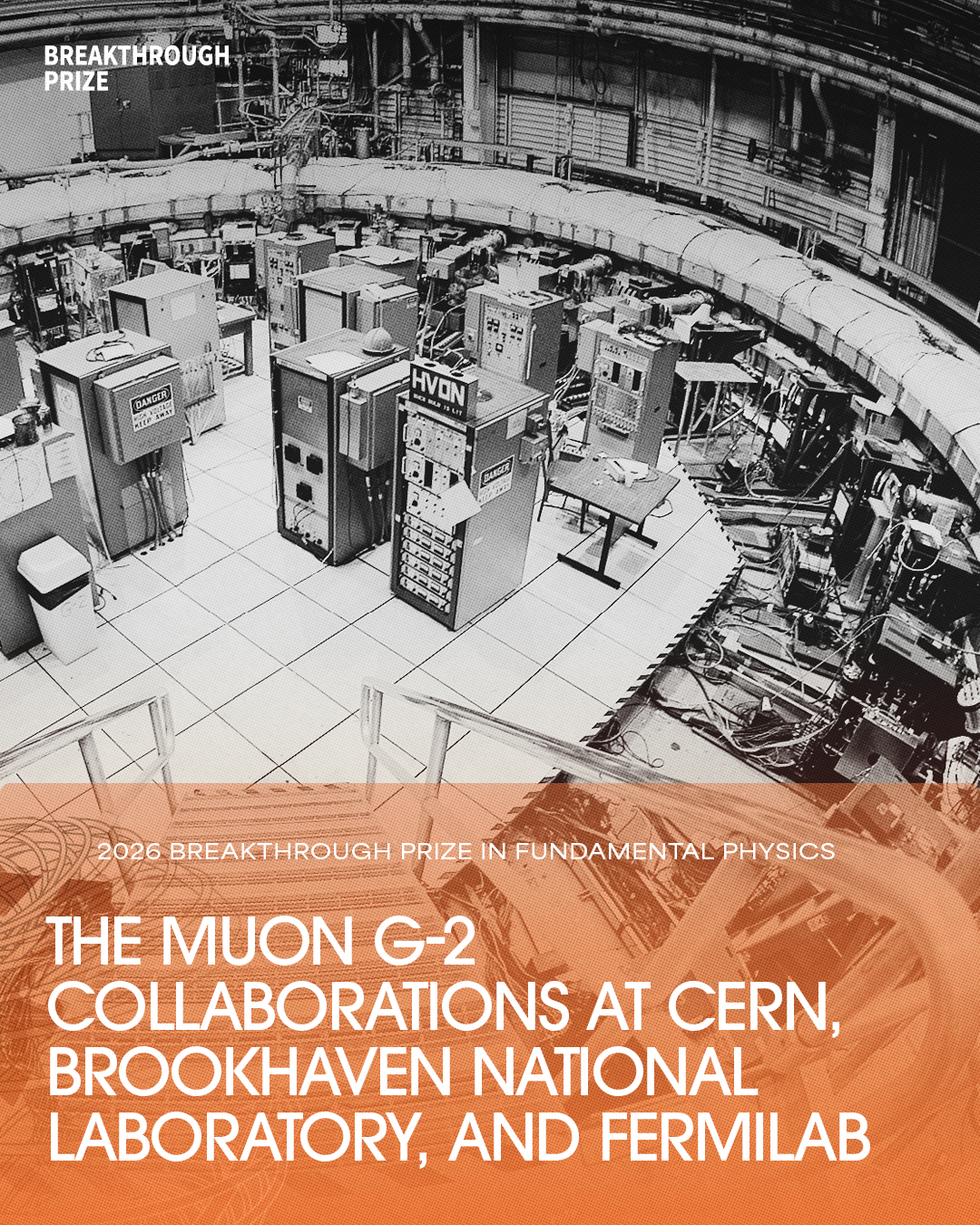
The prize went to physicists from CERN, Brookhaven National Laboratory, and Fermi National Accelerator Laboratory near Chicago, recognizing the multigenerational collaboration behind the Muon g-2 experiment. Key recipients include Chris Polly of Fermilab, Bradley Lee Roberts of Boston University, William M. Morse of Brookhaven National Laboratory, and David Hertzog and Peter Kammel of the University of Washington — part of a collaboration of approximately 400 scientists worldwide.
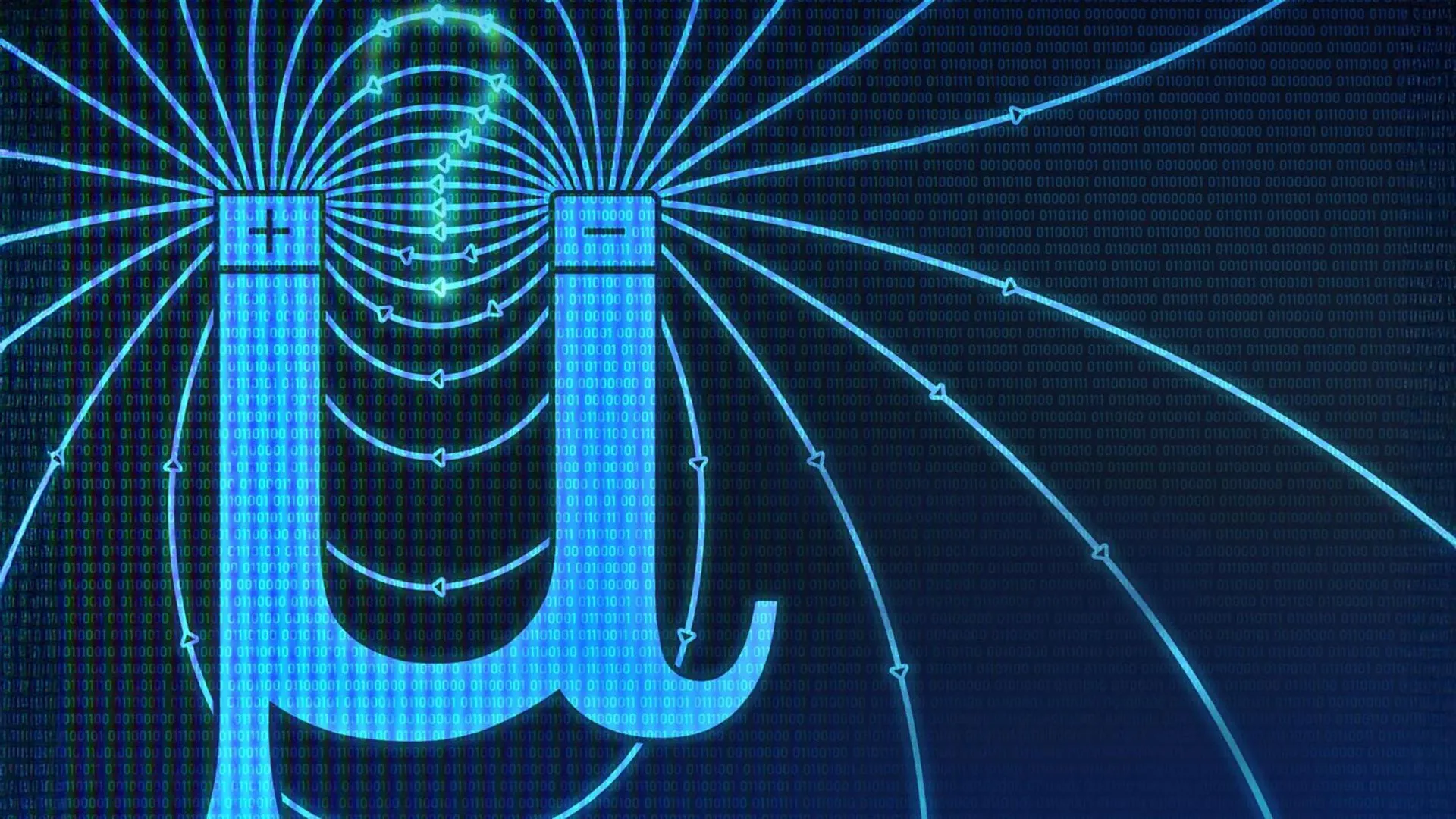
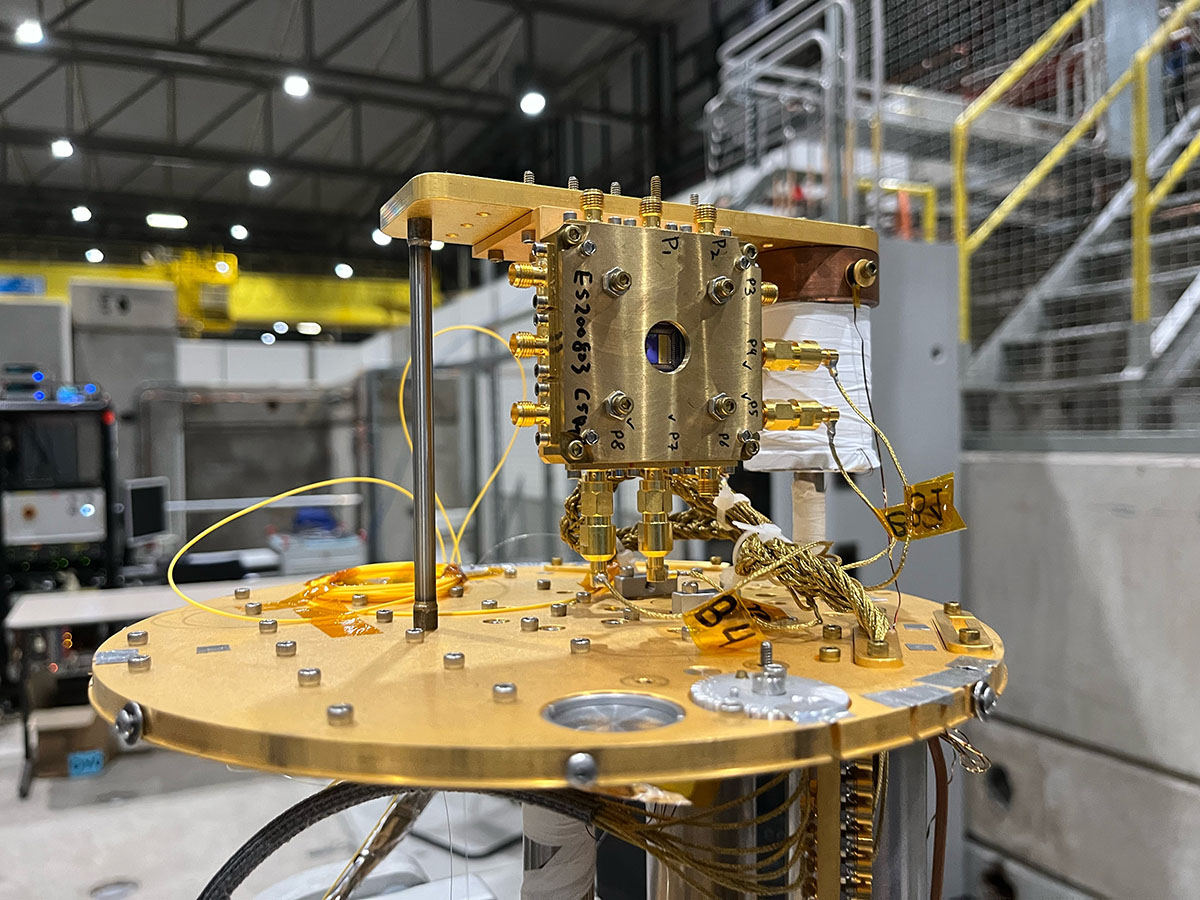
The Muon g-2 experiment measures the anomalous magnetic moment of the muon — a heavier cousin of the electron that exists for only 2.2 microseconds before decaying. The magnetic properties of the muon can be predicted to extraordinary precision using the Standard Model of particle physics, the theory that describes all known fundamental particles and forces. If the muon's behavior deviates measurably from those predictions, it would signal the presence of undiscovered particles or forces that the Standard Model does not account for — a crack in the theoretical foundation that physicists have built over the past 60 years.
The most recent Fermilab data, covering experimental runs from 2021 through 2023 and published in 2025, increased measurement precision more than fourfold compared to the previous best result from Brookhaven. The combined measurement now achieves precision of 127 parts per billion — a 30,000-fold improvement over the 1965 baseline measurement. The muon's behavior persistently deviates from Standard Model predictions, though determining whether the discrepancy is a definitive signal of new physics or reflects calculational uncertainties in the theoretical predictions remains an active area of debate among theorists.
Hertzog, one of the laureates from the University of Washington, called the measurement "one that encapsulates almost everything we know about modern physics." Fermilab Director Norbert Holtkamp added: "I'm proud of the role Fermilab played in the Muon g-2 experiment, which is set to stand as the most accurate measurement of the muon for years to come." A separate Special Breakthrough Prize was awarded to David Gross of the University of California Santa Barbara for a lifetime of contributions to theoretical physics, including his 1973 discovery of how the strong nuclear force weakens as quarks approach one another — a finding that laid the foundation for quantum chromodynamics. The 2026 Breakthrough Prizes, funded in part by Mark Zuckerberg and Priscilla Chan, awarded $18.75 million total across physics, life sciences, and mathematics at a ceremony at Barker Hangar in Santa Monica.