Astronomers Solve 50-Year Mystery Behind Gamma Cassiopeiae's Extreme X-Rays
Japan's XRISM telescope reveals hidden white dwarf companion pulling material and generating temperatures above 100 million degrees.

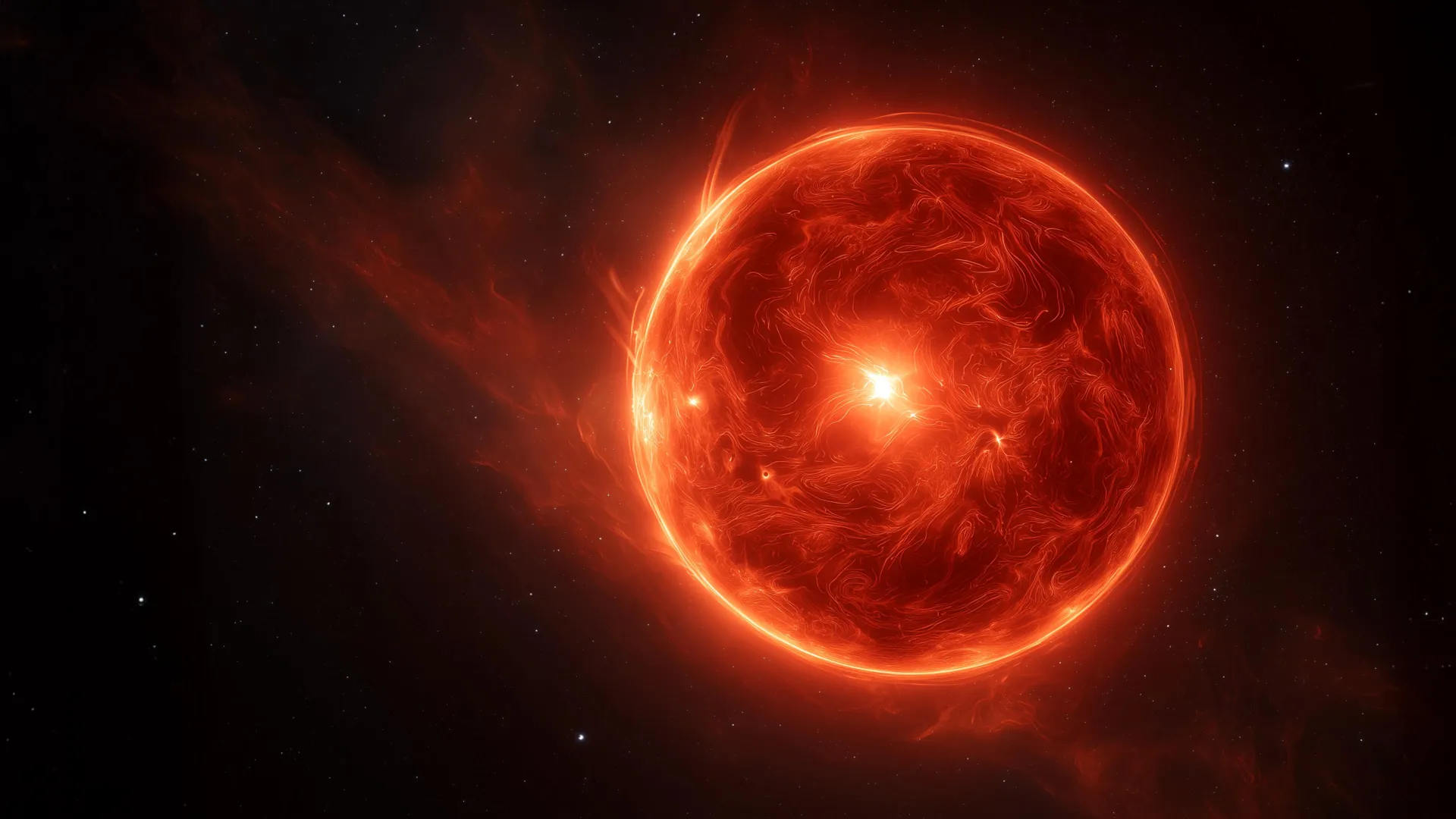
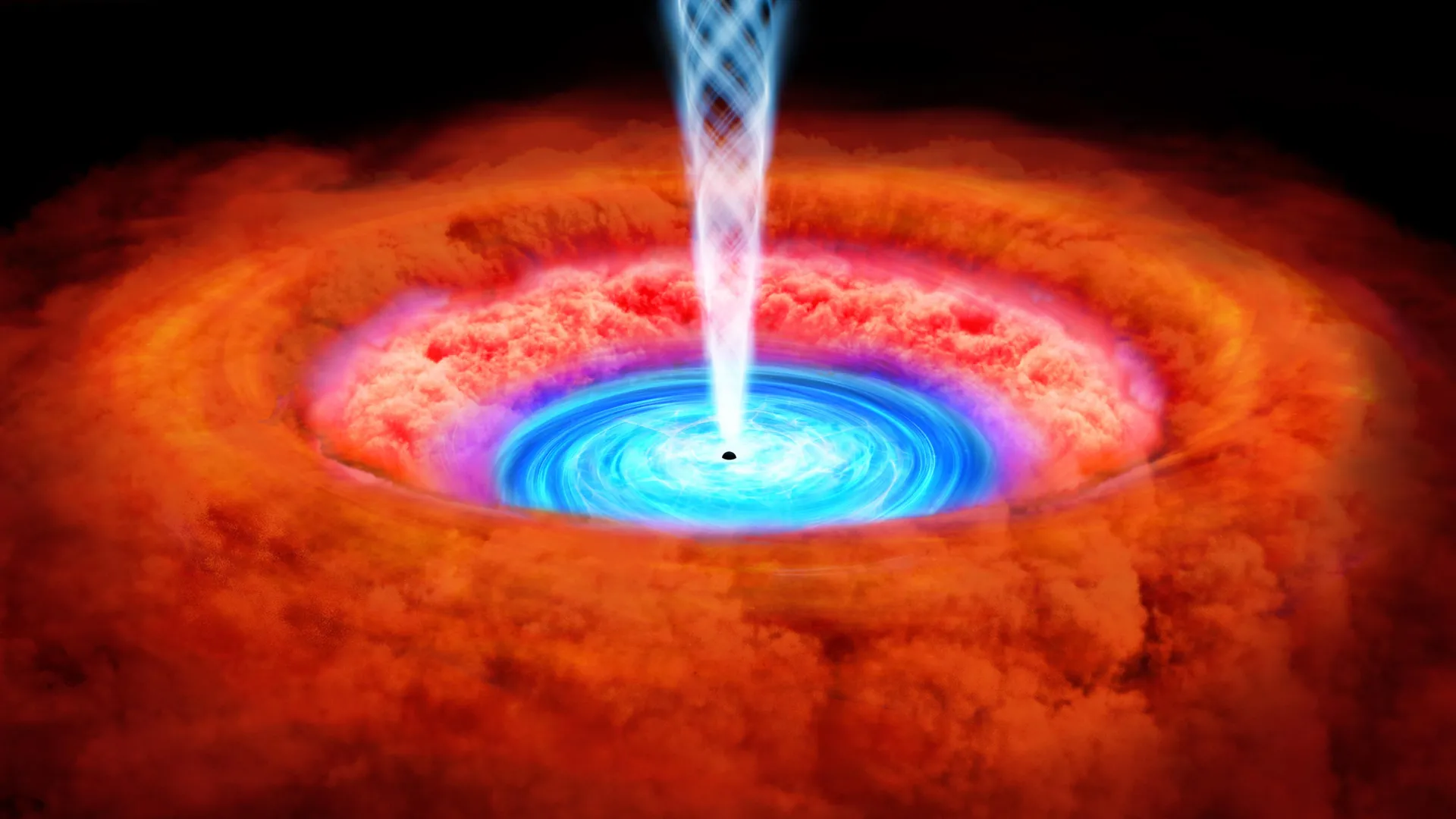
A star visible to the naked eye has finally revealed the source of its puzzling X-ray emissions after keeping astronomers guessing for five decades. Gamma Cassiopeiae, located in the constellation Cassiopeia, produces X-rays about forty times stronger than similar massive stars, with plasma reaching temperatures exceeding 100 million degrees. Using Japan's advanced XRISM space telescope, researchers have now identified a hidden white dwarf companion as the source of these extreme emissions, solving a long-standing mystery in stellar astrophysics.
Gamma Cassiopeiae was first classified as a Be-type star in 1866 by Italian astronomer Angelo Secchi. These massive stars spin rapidly and regularly eject material into space, forming distinctive discs that can be detected through optical spectroscopy. However, when scientists discovered the star's unusual X-ray emissions in 1976, they found characteristics that didn't match theoretical predictions for typical massive stars. The plasma responsible for these emissions changes rapidly and reaches temperatures far beyond what stellar processes alone should produce.
Over the following decades, space observatories identified about twenty similar stars exhibiting comparable behavior, now known as 'gamma Cas analogues.' Researchers at the University of Liège played a major role in discovering more than half of these objects. Several competing theories emerged to explain the phenomenon, including local magnetic reconnection between the star's surface and its surrounding disc, or the presence of various types of compact companions such as stripped stars, neutron stars, or accreting white dwarfs.
The breakthrough came through precision observations using the Resolve instrument aboard XRISM, a high-precision microcalorimeter that is transforming high-energy astrophysics. The research team, led by scientists at the University of Liège, conducted observations in December 2024, February 2025, and June 2025, covering the complete 203-day orbital period of the binary system. These measurements revealed that the ultra-hot plasma signatures change velocity in sync with the orbital motion of the white dwarf rather than the Be star, providing the first direct evidence linking the X-ray source to the compact companion.
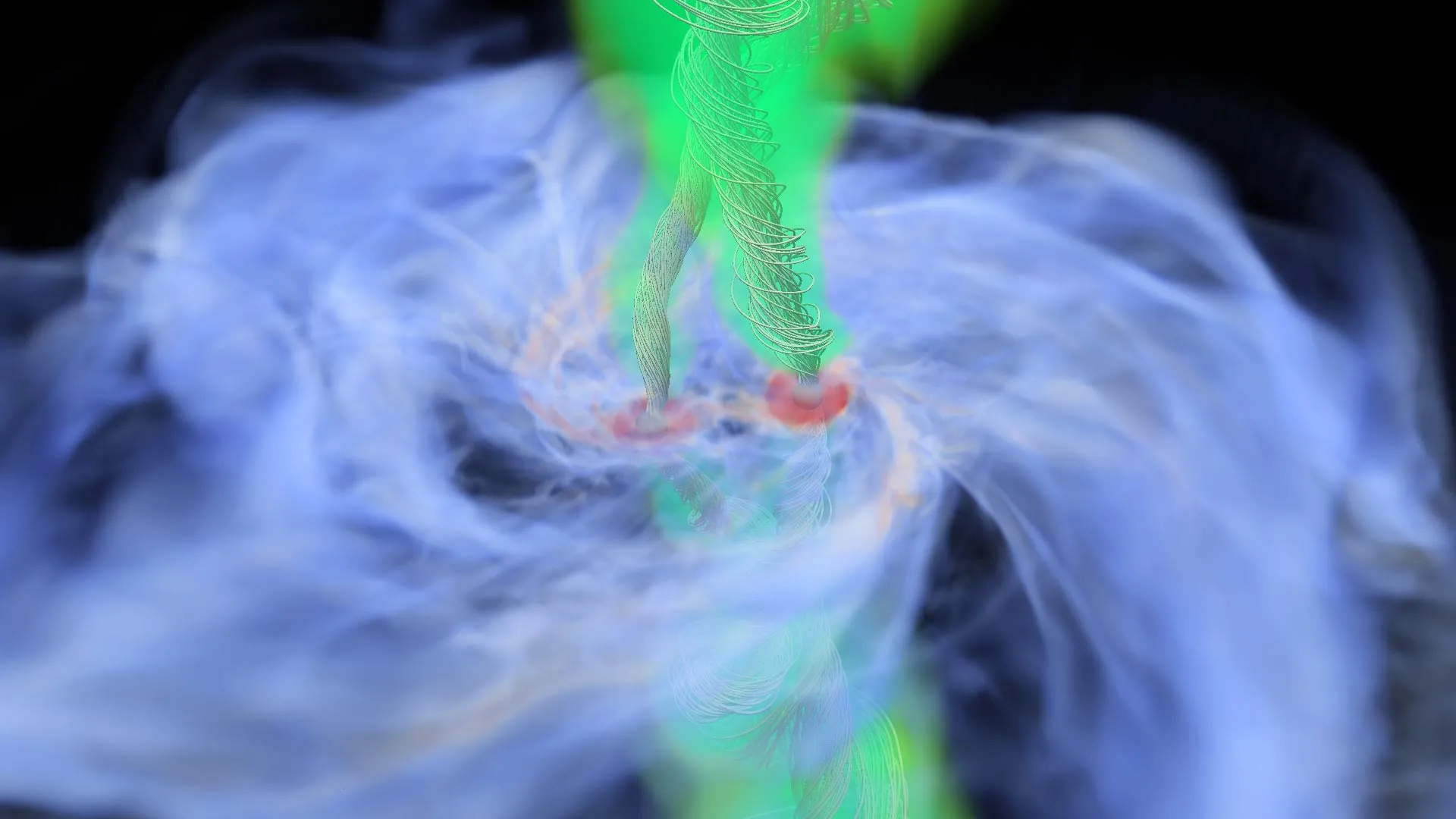
The discovery confirms the existence of a long-predicted type of binary star system and provides new insights into stellar evolution. The white dwarf appears to be magnetic, which helps explain how it can effectively capture material from its companion and heat it to extreme temperatures. This finding not only resolves the specific mystery of gamma Cassiopeiae but also advances understanding of how compact objects interact with their stellar companions. The research demonstrates the power of next-generation space telescopes to solve fundamental questions in astrophysics through precise spectroscopic analysis.