Argentina Slashes Human Rights Funding as Dirty War Memory Faces Revisionist Threat
Government cuts to human rights groups coincide with promotion of revisionist accounts of military dictatorship's crimes fifty years after the junta.
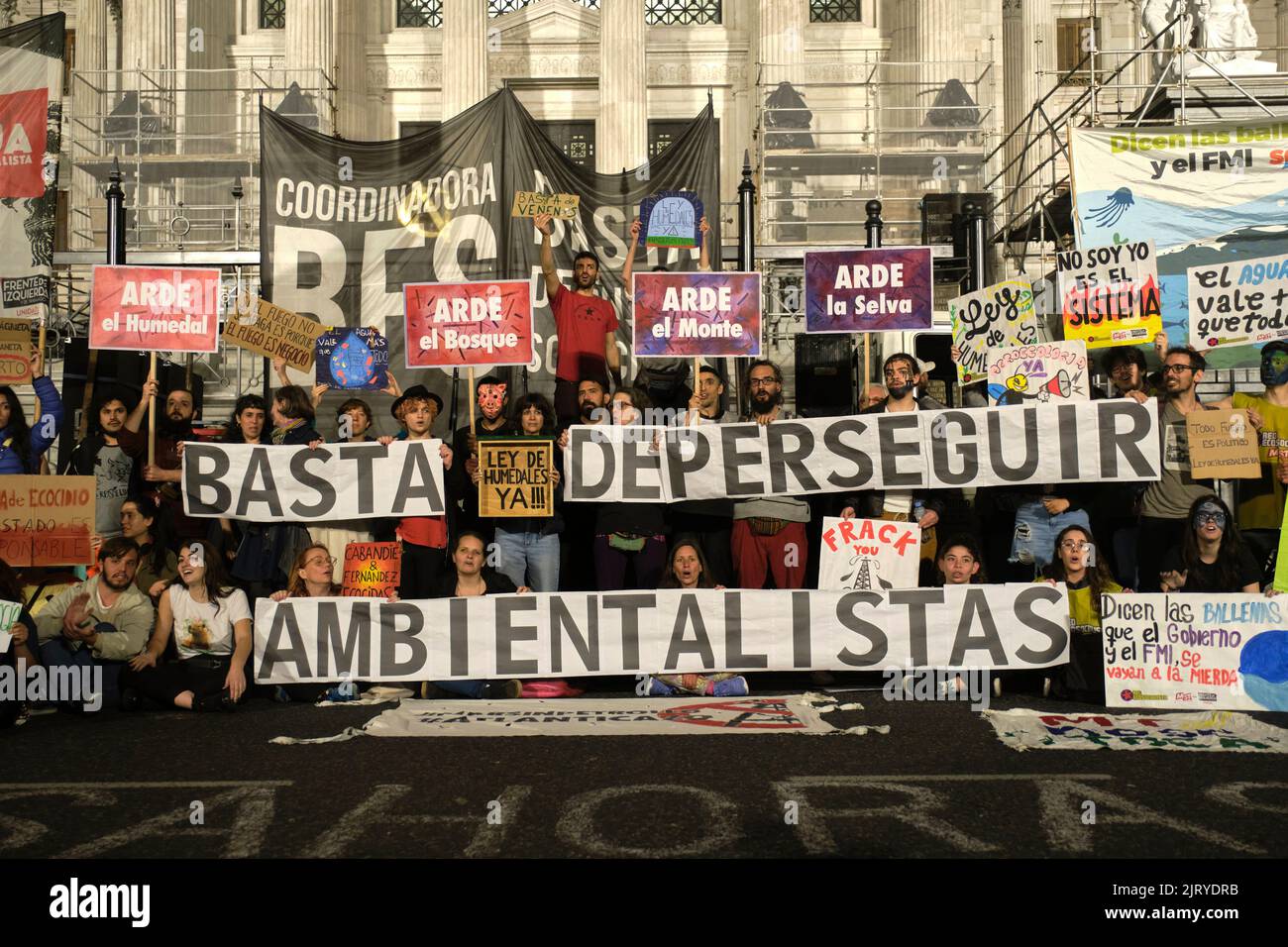
The Argentine government has dramatically reduced funding for human rights organizations and memory sites dedicated to documenting the crimes of the country's 1976-1983 military dictatorship, a move that coincides with a growing campaign to promote revisionist accounts of the era known as the Dirty War. The cuts, which amount to more than 70 percent of the previous year's budget for human rights programs, have forced several organizations to lay off staff and scale back operations at a time when survivors and victims' families say their work has never been more urgent.
The reductions come fifty years after the military junta seized power in a coup on March 24, 1976, inaugurating a period of state terrorism during which an estimated 30,000 people were forcibly disappeared. The anniversary has traditionally been marked by massive demonstrations and solemn commemorations, but this year the government's posture has shifted markedly. Officials have questioned the widely accepted death toll, echoing claims long advanced by apologists for the dictatorship that the number of victims has been inflated for political purposes.
President Javier Milei's administration has framed the cuts as part of a broader austerity program aimed at reducing government spending and eliminating what it characterizes as ideologically driven programs. But human rights advocates say the reductions are targeted and deliberate, aimed at silencing voices that challenge the government's increasingly sympathetic portrayal of the military regime.
The cuts have hit particularly hard at memory sites such as the former ESMA naval mechanics school in Buenos Aires, which served as a clandestine detention and torture center during the dictatorship and is now a museum and memorial. Staff reductions have limited public access to the site and curtailed educational programming that brought thousands of students through its doors each year.
The Grandmothers of the Plaza de Mayo, the organization that has spent decades identifying children stolen from political prisoners and given to military families, said the funding cuts threaten their ability to continue DNA-matching work that has so far identified 133 of an estimated 500 stolen children. The organization's president said the government's actions represent the most serious threat to the memory and accountability movement since the return of democracy in 1983.
The revisionist campaign has extended beyond budget cuts. Government-aligned media figures and politicians have begun publicly questioning whether the dictatorship's actions constituted genocide, a legal classification that Argentine courts have upheld in multiple landmark rulings. Some officials have suggested that the military's campaign against leftist guerrilla organizations was a legitimate act of self-defense, a framing that human rights lawyers say contradicts decades of judicial findings.
International human rights organizations have condemned the developments. The United Nations High Commissioner for Human Rights issued a statement expressing concern about the erosion of memory and accountability mechanisms in Argentina, calling the country's post-dictatorship transitional justice framework a model that other nations have sought to emulate.
The controversy has divided Argentine society along familiar political lines, but it has also prompted an unexpected response from some quarters. Several retired military officers who participated in the democratic transition have spoken out against the revisionist campaign, warning that attempts to rehabilitate the dictatorship's legacy threaten the foundations of Argentine democracy.
For the families of the disappeared, the stakes could not be higher. Many have spent their entire lives seeking answers about loved ones who were taken by the state and never returned. The funding cuts and revisionist rhetoric represent not just a policy dispute but an assault on the truth of their experience and the memory of those they lost.