180 Injured as Iranian Missiles Breach Israeli Air Defenses, Strike Near Nuclear Reactor in Deadliest Attack Yet
Two southern Israeli cities — Arad and Dimona, located near Israel's primary nuclear facility — were struck Saturday in the most damaging single-day attack on Israeli soil since the war began.
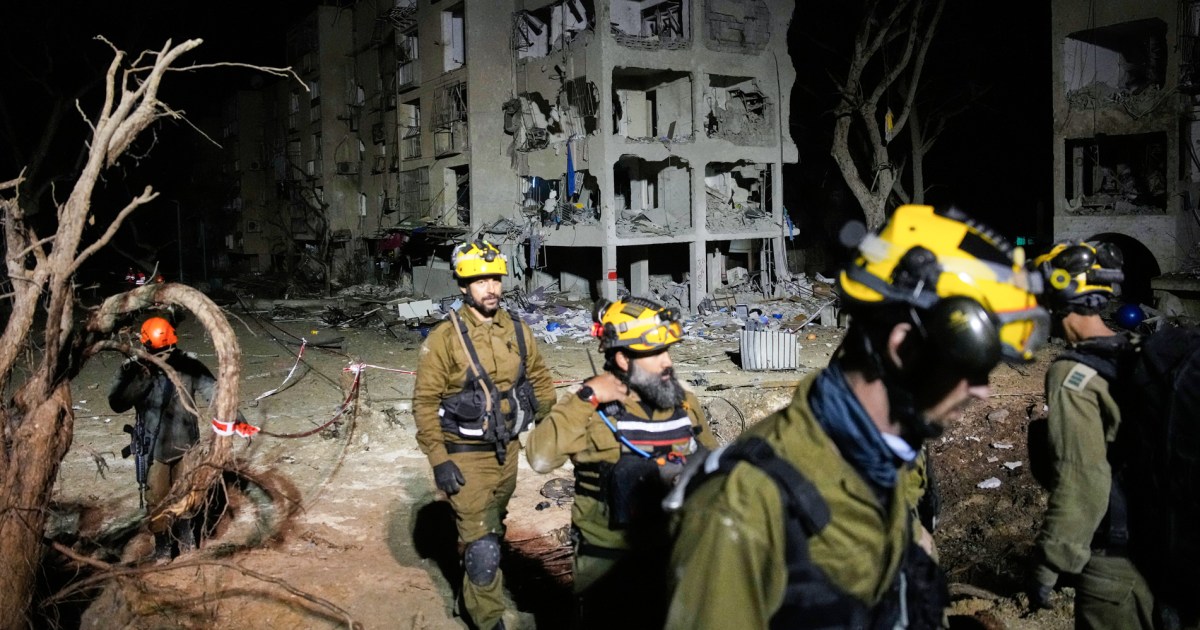
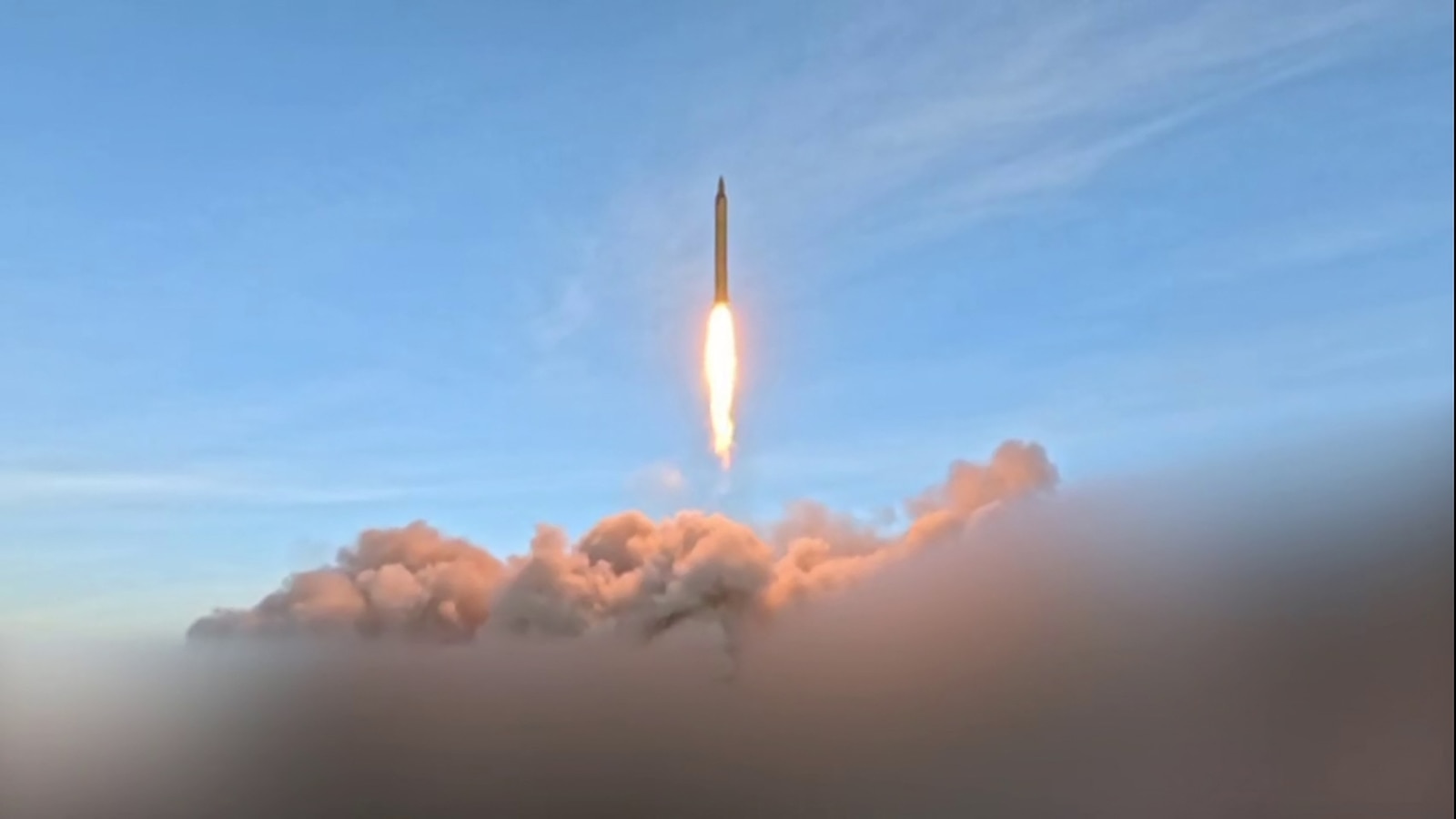
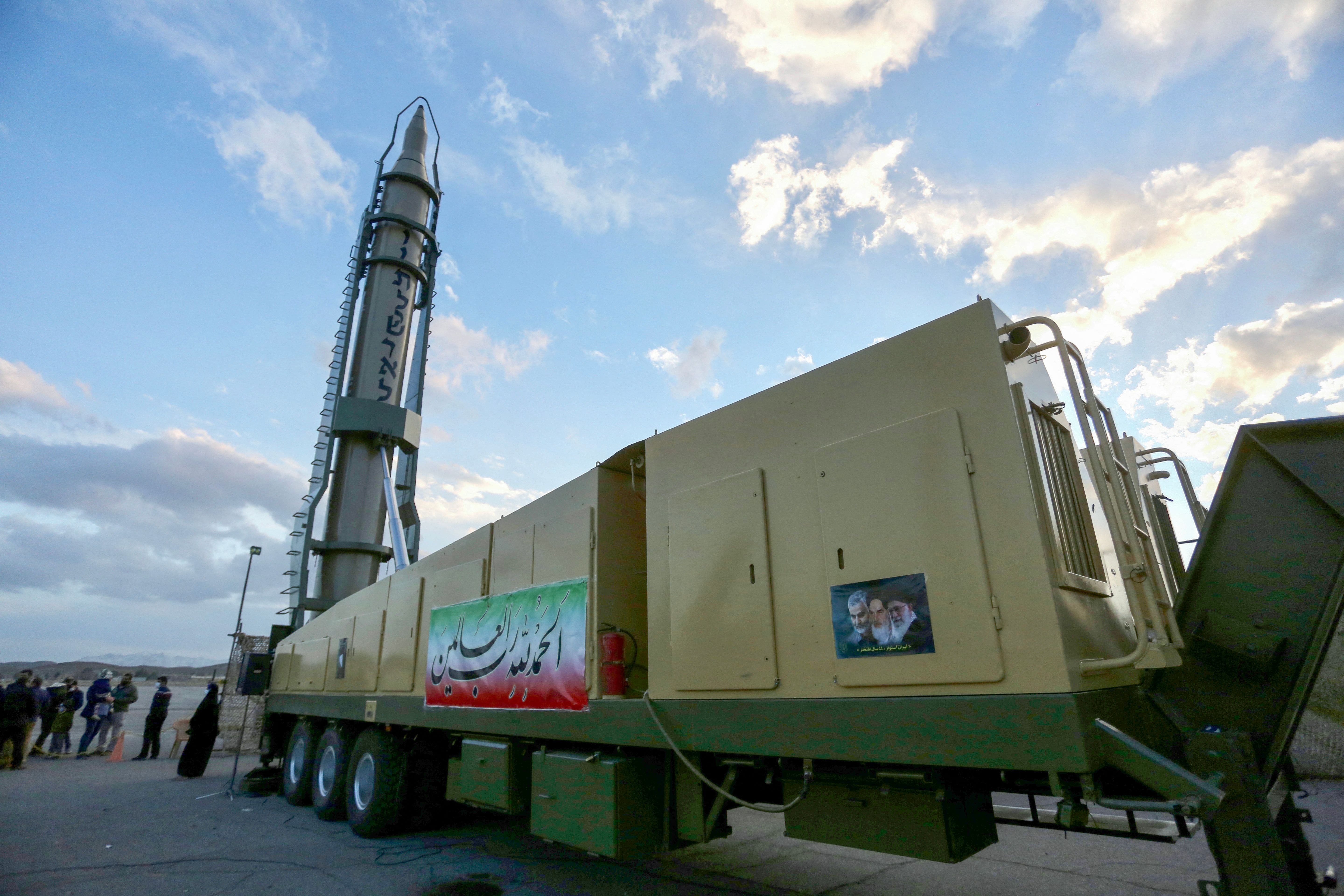
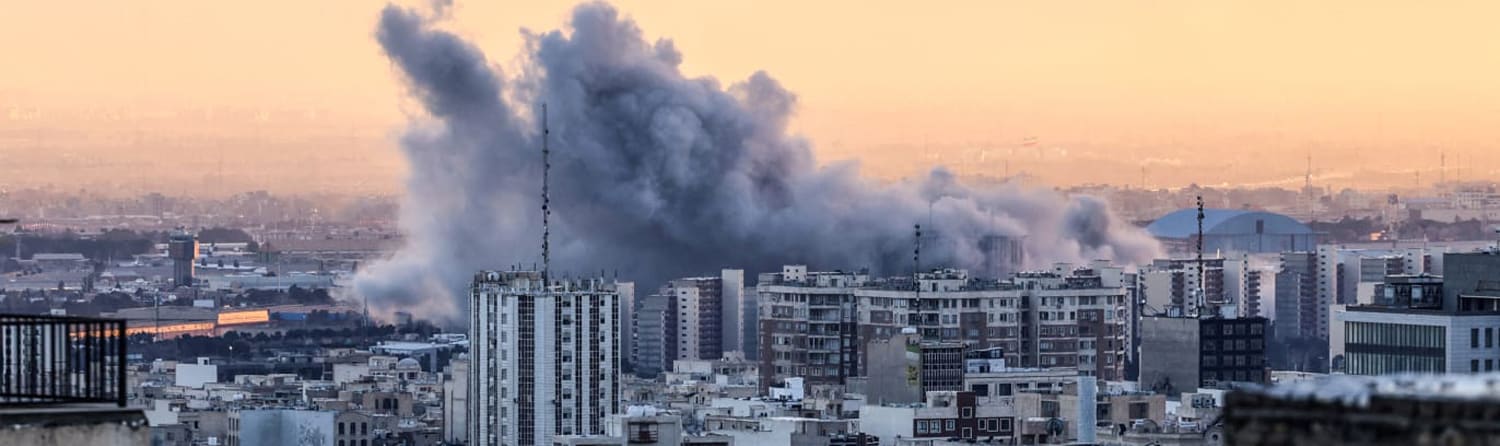
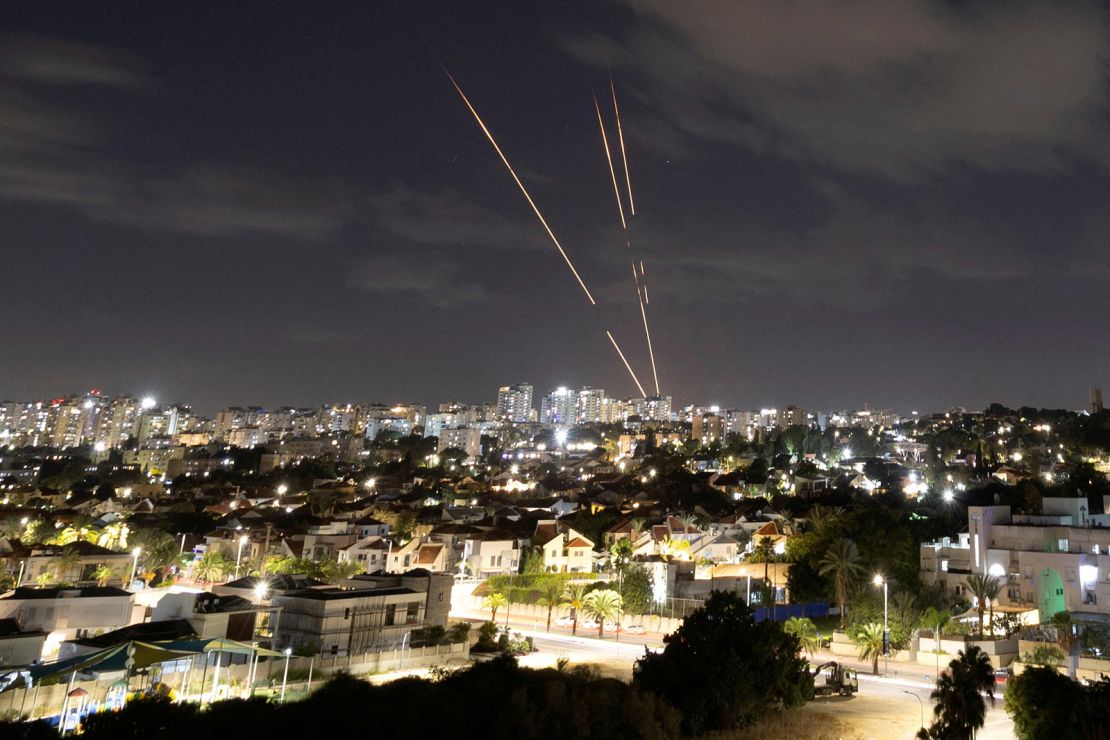
Iranian ballistic missiles penetrated Israel's multilayered air defense network on Saturday and struck the southern Israeli cities of Arad and Dimona, injuring more than 180 people in the most damaging single-day attack on Israeli territory since the U.S.-Israeli conflict with Iran began on February 28. The strikes shattered windows across multiple apartment blocks in Arad and caused structural damage across the Dimona area — a city that sits perilously close to Israel's Negev Nuclear Research Center, the country's primary nuclear facility.
The Iranian military claimed the strike deliberately targeted the Negev reactor in retaliation for an Israeli airstrike on Iran's Natanz nuclear enrichment site, which Israel publicly denied carrying out. The International Atomic Energy Agency said it detected no abnormal radiation levels at the site and confirmed the reactor itself had not been struck. Israeli officials declined to comment on whether Natanz had been targeted, but acknowledged that Saturday's attack on Dimona represented a serious escalation in both its precision and apparent intent to strike nuclear infrastructure.
Despite Israel's air defense network — considered among the most capable in the world — successfully intercepting 92% of incoming projectiles, the fraction that breached the layered system was sufficient to cause widespread panic and injuries across both towns. Israeli Defense Forces confirmed the failure and launched an internal investigation. A military spokesperson acknowledged that "even the best defense in the world isn't perfect," but stopped short of characterizing the breach as a systemic failure. The incident exposed vulnerabilities that may require costly and urgent upgrades to Israel's Arrow 3, David's Sling, and Iron Dome systems, all of which were under simultaneous strain during the attack.
The human toll from Saturday's strike marked the single largest casualty event for Israel in the current conflict. Since the war began on February 28, 14 Israelis have been killed and hundreds more injured, compared to at least 1,230 Iranians killed in U.S. and Israeli strikes on military, nuclear, and infrastructure targets inside Iran. The disparity reflects Israel's robust air defenses and deep-bunker infrastructure, though Saturday's events underscored that Iran retains a meaningful capacity to inflict significant harm on Israeli civilian areas despite weeks of sustained air campaigns targeting its missile programs and launch infrastructure.
U.S. officials moved quickly to reinforce support for Israel while simultaneously pursuing diplomatic channels. The State Department on Monday said it was organizing bus routes from Israel to Jordan for Americans seeking to leave the country, reflecting growing anxiety among the estimated 50,000 to 100,000 American citizens currently in Israel. Red Cross officials warned that the conflict may be approaching a "point of no return" that could draw Lebanon and other regional actors into full-scale confrontation. The Israeli military's strike on a bridge in southern Lebanon over the Litani River on Sunday added further urgency to those warnings. As Trump claimed progress in negotiations and Iran denied they were happening, Israeli civilians in Arad and Dimona were left to reckon with the reality that diplomatic uncertainty and active bombardment were occurring simultaneously.