WHO Declares Public Health Emergency as Bundibugyo Ebola Surge Crosses Into Uganda, 105 Confirmed Cases and 233 Deaths Across DRC
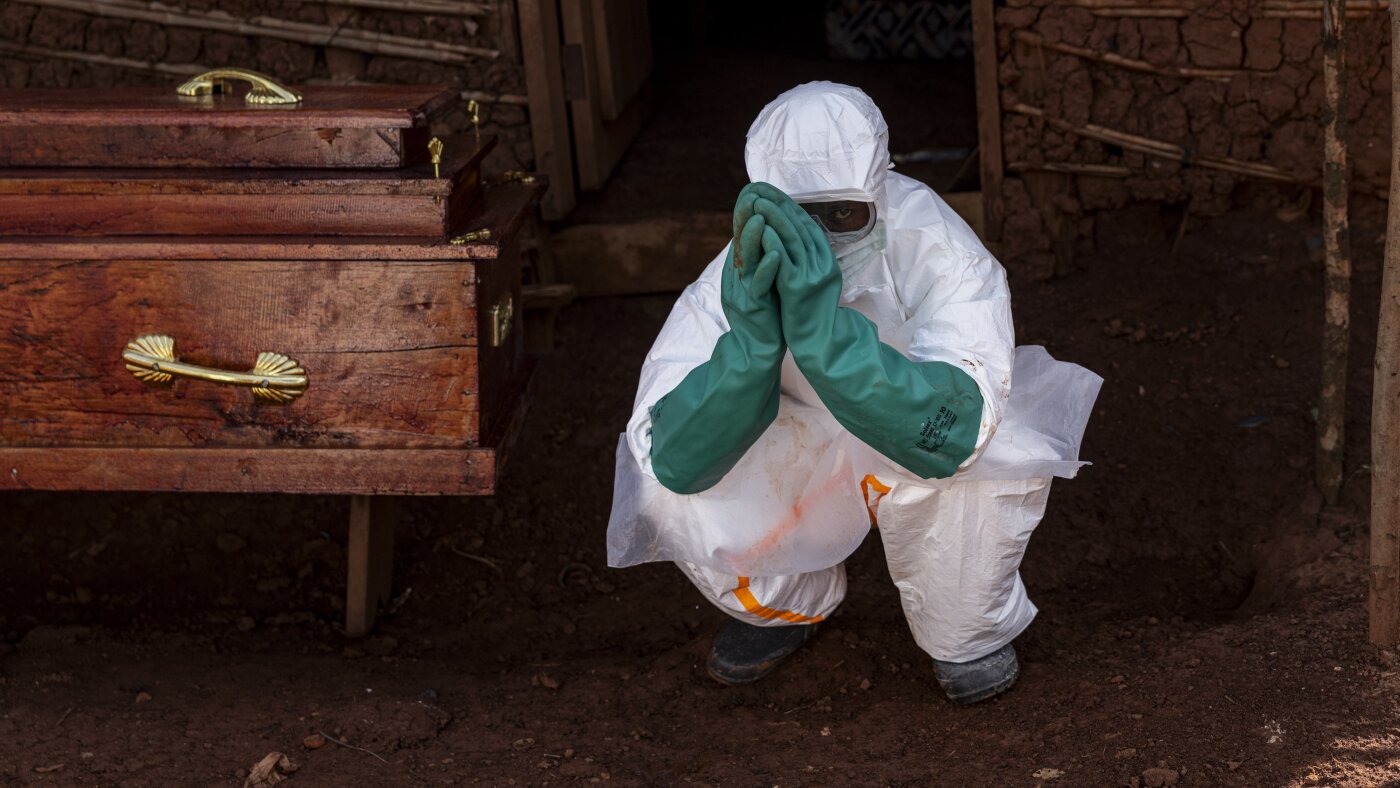
Armed groups in Ituri Province have ambushed response teams, stoned vaccinators, and burned a treatment unit in Bunia as the eighth Public Health Emergency of International Concern in the framework's 20-year history puts the U.S. CDC on Level 3 activation and routes all incoming passengers from Kinshasa, Entebbe and Kigali through five designated airports.
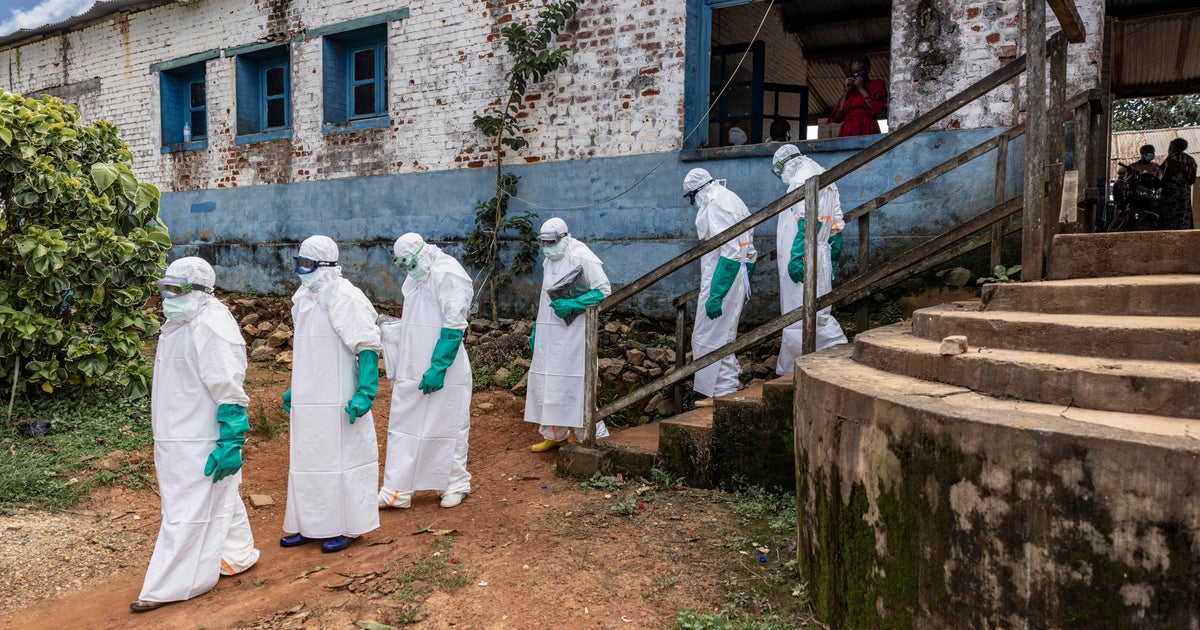
The death toll from a fast-moving Bundibugyo Ebola outbreak in the Democratic Republic of the Congo and Uganda climbed past 230 on Tuesday, even as health workers in Ituri Province face mounting hostility from villagers who have stoned response teams and set fire to a treatment unit in the town of Bunia. The World Health Organization, which on May 17 declared the epidemic a Public Health Emergency of International Concern — only the eighth such designation since the framework was created in 2005 — said 105 cases have now been laboratory-confirmed across three Congolese provinces, with another 906 suspected cases and 223 deaths under investigation.
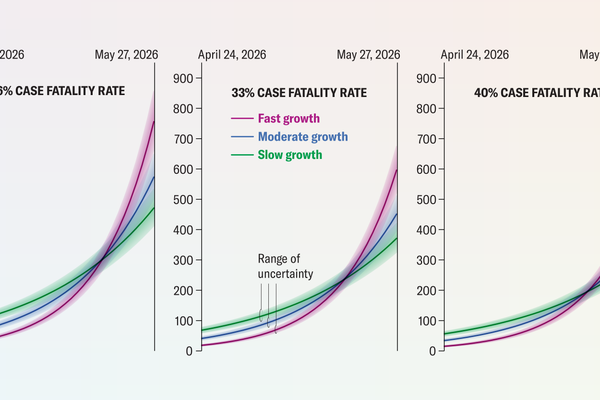
The Bundibugyo strain (Orthoebolavirus bundibugyoense) is one of six known Ebola species and historically carries a case-fatality rate of around 30 percent, lower than the Zaire strain that drove the 2014–2016 West African outbreak but still extraordinarily lethal. "What's different and frightening about this one is the rural geography and the security situation," WHO Director-General Dr. Tedros Adhanom Ghebreyesus said at a Geneva press briefing on Monday. "We have armed groups, displaced populations, and now we have communities turning on the very teams trying to save their lives. This is the most operationally difficult environment we have faced since the Beni outbreak in 2018."
The spillover into Uganda has alarmed regional health officials. Five confirmed cases have been reported in Kampala, the Ugandan capital, traced to a single 34-year-old truck driver who crossed the border at Mpondwe on May 9 and died at Mulago National Referral Hospital eight days later. Ugandan President Yoweri Museveni ordered schools in five eastern districts closed for two weeks beginning Monday and deployed army units to enforce a 9 p.m. curfew. "Ebola does not respect borders, and neither will our response," Health Minister Dr. Jane Ruth Aceng told NPR's Africa correspondent. Uganda has activated 47 isolation beds at Mulago and is conducting contact tracing on 312 people, including 28 health-care workers who treated the index patient before he was diagnosed.
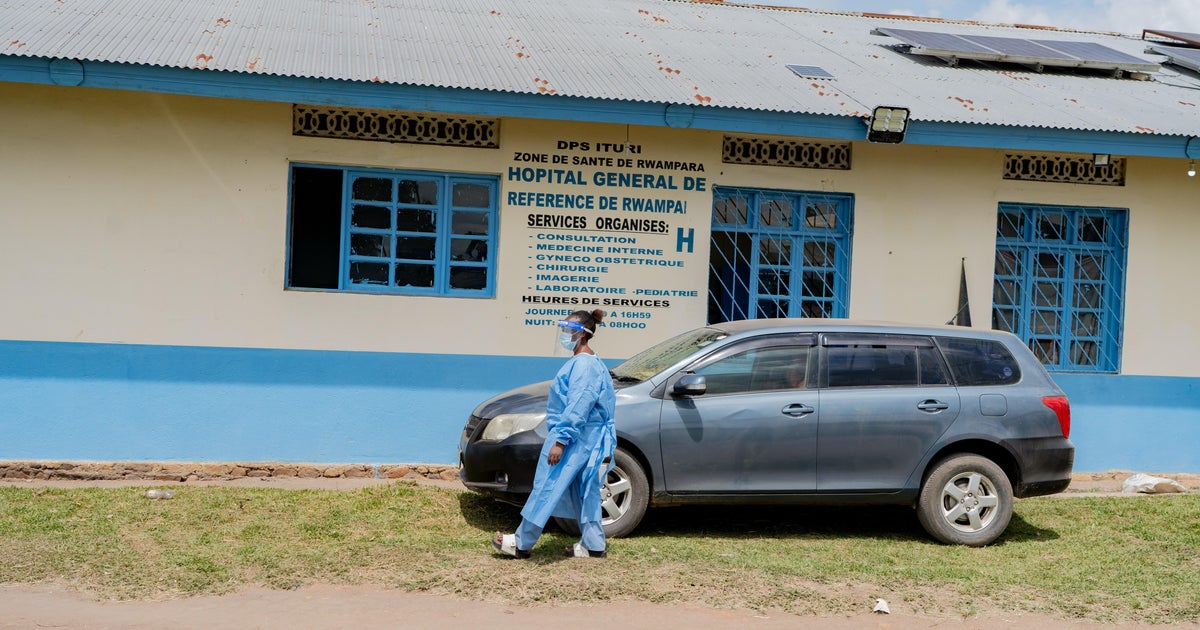
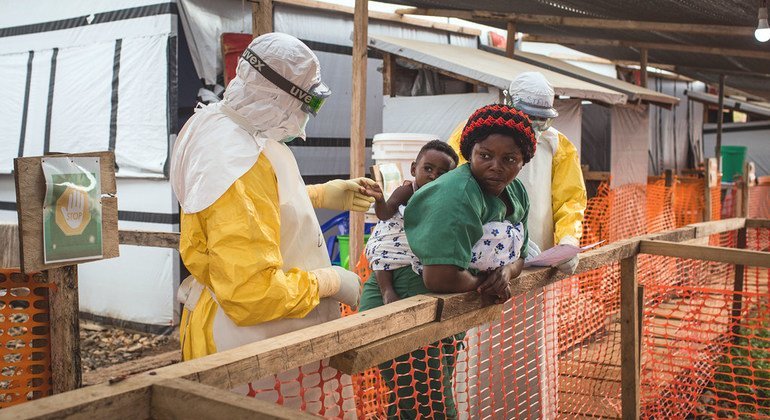
The outbreak's epicenter in Ituri sits inside one of the most violent corners of central Africa. Armed factions including the Cooperative for Development of the Congo (CODECO) and the Allied Democratic Forces have repeatedly attacked Ebola response teams since the first cases were identified in Boga health zone on May 12. UNICEF reported Tuesday that two community health workers were killed in an ambush near Lake Albert on May 22, and a Médecins Sans Frontières field hospital was looted of cold-chain equipment last week. "We have vaccinated 4,800 frontline workers and high-risk contacts so far with the rVSV-ZEBOV ring-vaccination strategy, but that vaccine doesn't protect against Bundibugyo," said Dr. Boubacar Diallo, the WHO incident manager on the ground. A second vaccine candidate developed by the Sabin Vaccine Institute is being fast-tracked through a Phase 3 trial that began in Bunia on Friday.
The U.S. Centers for Disease Control and Prevention activated its Emergency Operations Center at Level 3 over the weekend and has positioned a 22-person team in Kinshasa to assist DRC's Ministry of Health. CDC Director Dr. Mandy Cohen told CBS News on Monday that the agency considers the risk to the United States low, but said all 18 designated Ebola-treatment hospitals — including Emory University Hospital and Bellevue in New York — have been placed on standby. American passengers arriving from Kinshasa, Entebbe, and Kigali airports are being routed through five designated U.S. ports of entry where they undergo temperature screening and provide 21-day contact information to public-health officials. "We learned the hard way in 2014 that this is a virus that exploits delay," Cohen said. "We're not going to let that happen again."