Vance Leaves Pakistan Empty-Handed After 21-Hour Iran Talks Collapse Over Nuclear Demands
The highest-level US-Iran face-to-face meeting since 1979 ended without a deal, with Vance saying Iran refused to commit to abandoning its nuclear weapons ambitions.
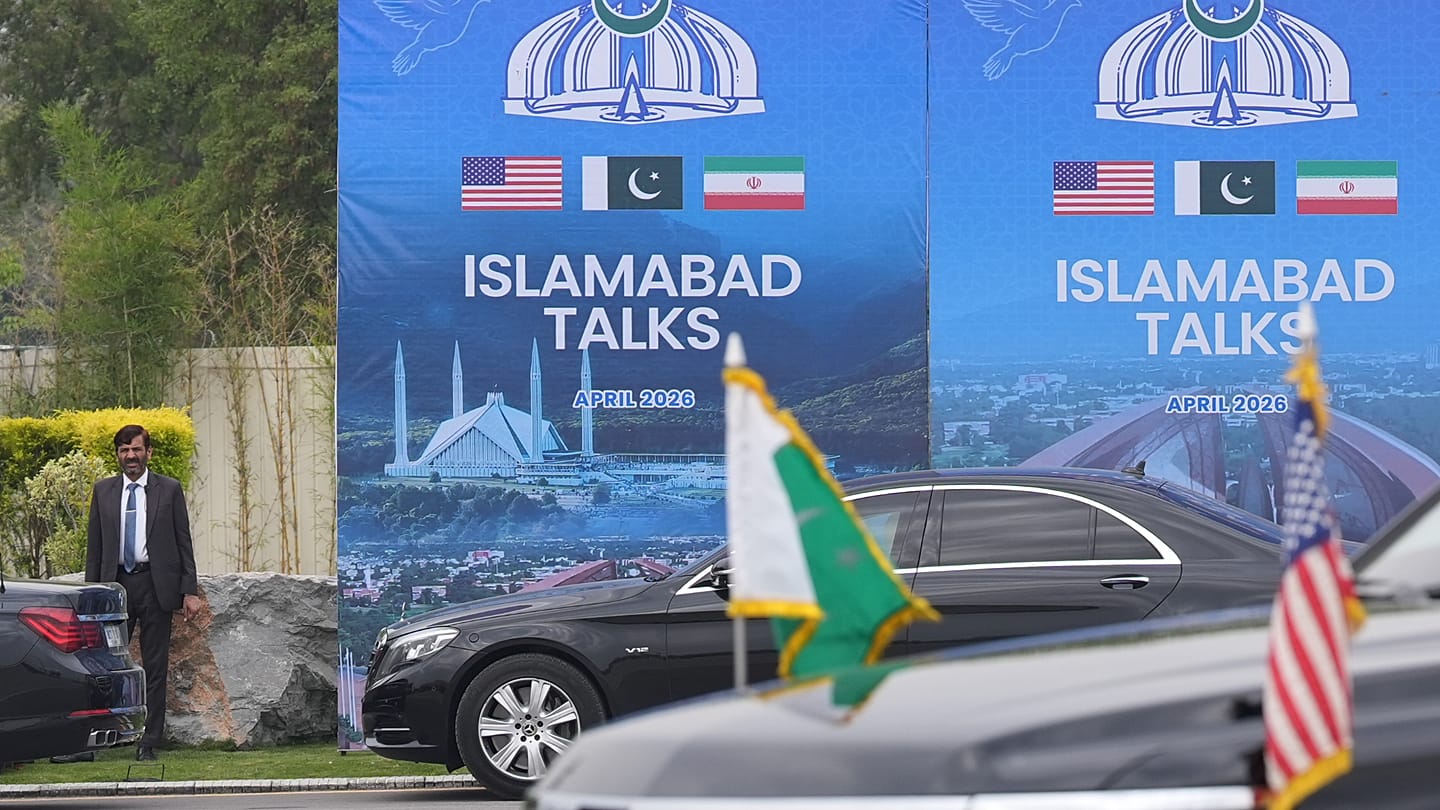
Vice President JD Vance departed Islamabad early Sunday after 21 hours of exhausting direct negotiations with Iranian officials failed to yield an agreement, leaving the fragile US-Iran ceasefire in an increasingly precarious state. The marathon session, held at the Jinnah Convention Center in the Pakistani capital with Pakistan acting as host and mediator, represented the highest-level face-to-face encounter between American and Iranian officials since the 1979 Islamic Revolution — yet it ended without any breakthrough on the core issues dividing the two countries.
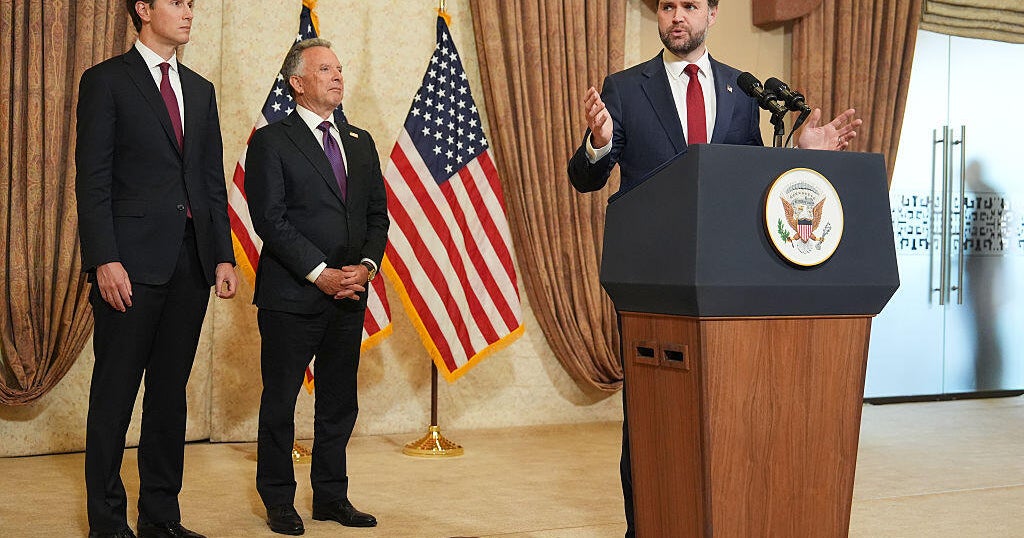
Vance, joined by special envoy Steve Witkoff and presidential son-in-law Jared Kushner, met across the table from Iran's parliamentary speaker Mohammad-Bagher Ghalibaf and Foreign Minister Abbas Araghchi, with Pakistan's prime minister Shehbaz Sharif playing a pivotal mediating role. The talks lasted far longer than anticipated, stretching from Saturday afternoon Islamabad time well into Sunday morning, with aides describing the sessions as "substantive" but ultimately unable to bridge fundamental gaps.
The central sticking point was Iran's refusal to make an unambiguous commitment to abandon its nuclear weapons ambitions. "The simple fact is we need to see an affirmative commitment that they will not seek a nuclear weapon, and they will not seek the tools that would enable them to quickly achieve a nuclear weapon," Vance told reporters at a press conference following his departure from the negotiations. "We came in good faith and made our best effort to get a deal. The bad news is that we have not reached an agreement." Iran's state broadcaster IRIB placed blame squarely on Washington, saying "excessive demands" by the American side had made agreement impossible.
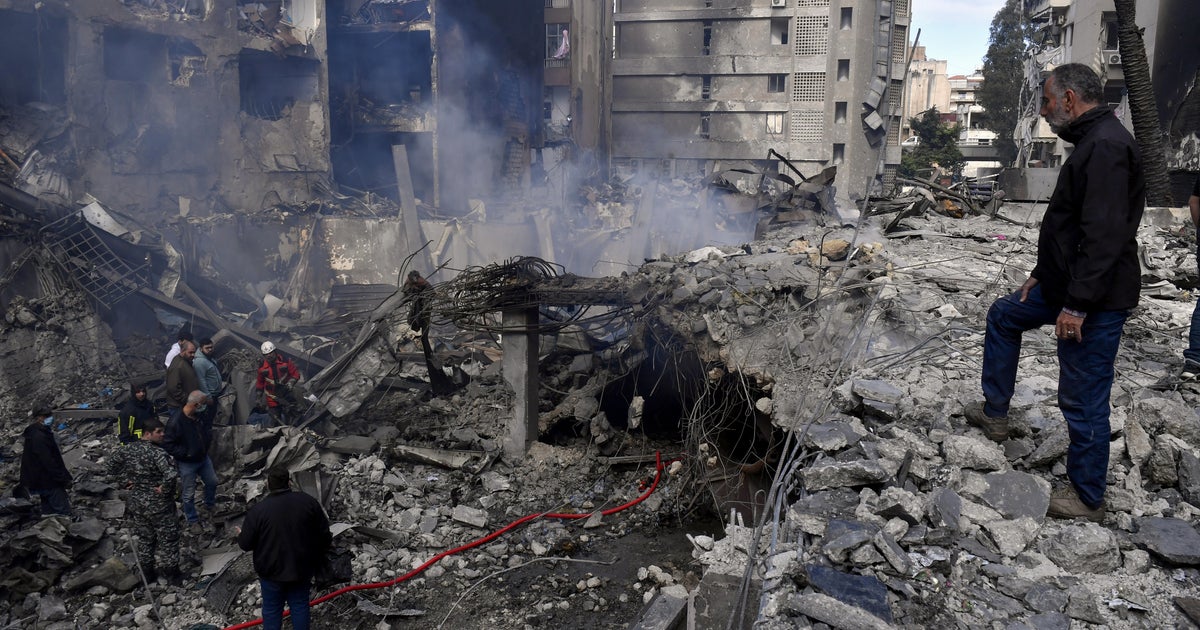
Beyond nuclear weapons, the two sides also failed to reach consensus on Iran's continued stranglehold on the Strait of Hormuz, the vital waterway through which roughly 20% of the world's oil supply flows. Despite a two-week ceasefire announced on April 8 that theoretically required Iran to reopen the strait, shipping traffic remained severely curtailed throughout the talks, with energy markets watching anxiously. Iran's delegation also demanded an end to Israeli strikes on Hezbollah in Lebanon, the release of $6 billion in frozen assets, and formal recognition of Iranian sovereignty over the waterway — conditions the American side was unwilling to meet.
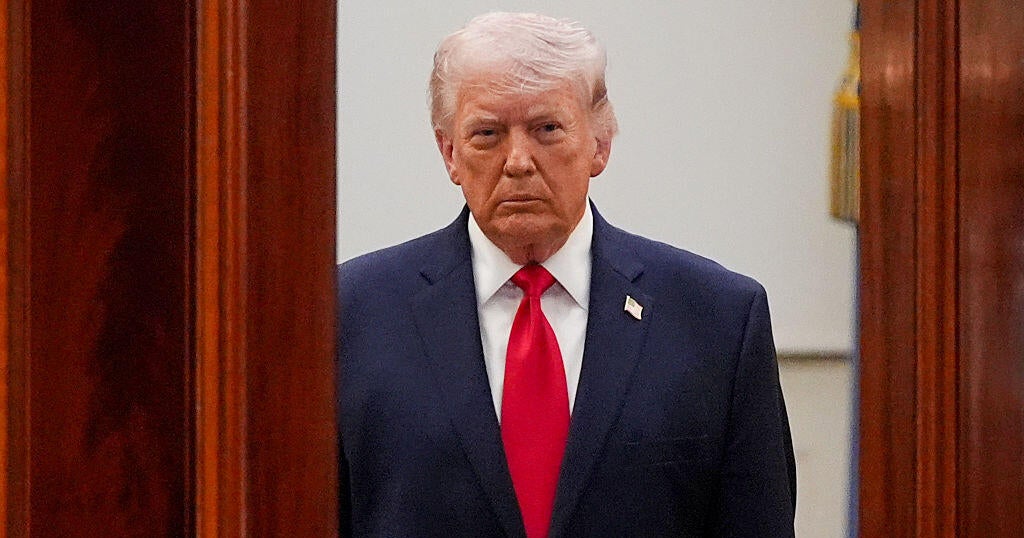
The failure to reach a deal raises urgent questions about what comes next for a ceasefire that both sides have repeatedly accused the other of violating. The two-week window expires in the coming days, and without an extension or permanent agreement, the United States and Israel could resume military operations. Trump administration officials signaled they were consulting with the president throughout the talks, and sources suggested Trump had urged Vance to make "every good faith effort" but not to accept terms that left Iran's nuclear program intact. Pakistan's foreign minister, in remarks following the conclusion of talks, urged both parties to maintain the ceasefire while diplomatic channels remained open, but offered no timeline for a resumption of negotiations. The failure underscores the immense difficulty of ending a conflict that has already reshaped the Middle East, roiled global energy markets, and pushed US consumer sentiment to record lows.