Your Mail Could Stop: Postal Service Warns Congress It Will Run Out of Cash in a Year
USPS lost $9 billion last year and has maxed out its $15 billion borrowing limit.

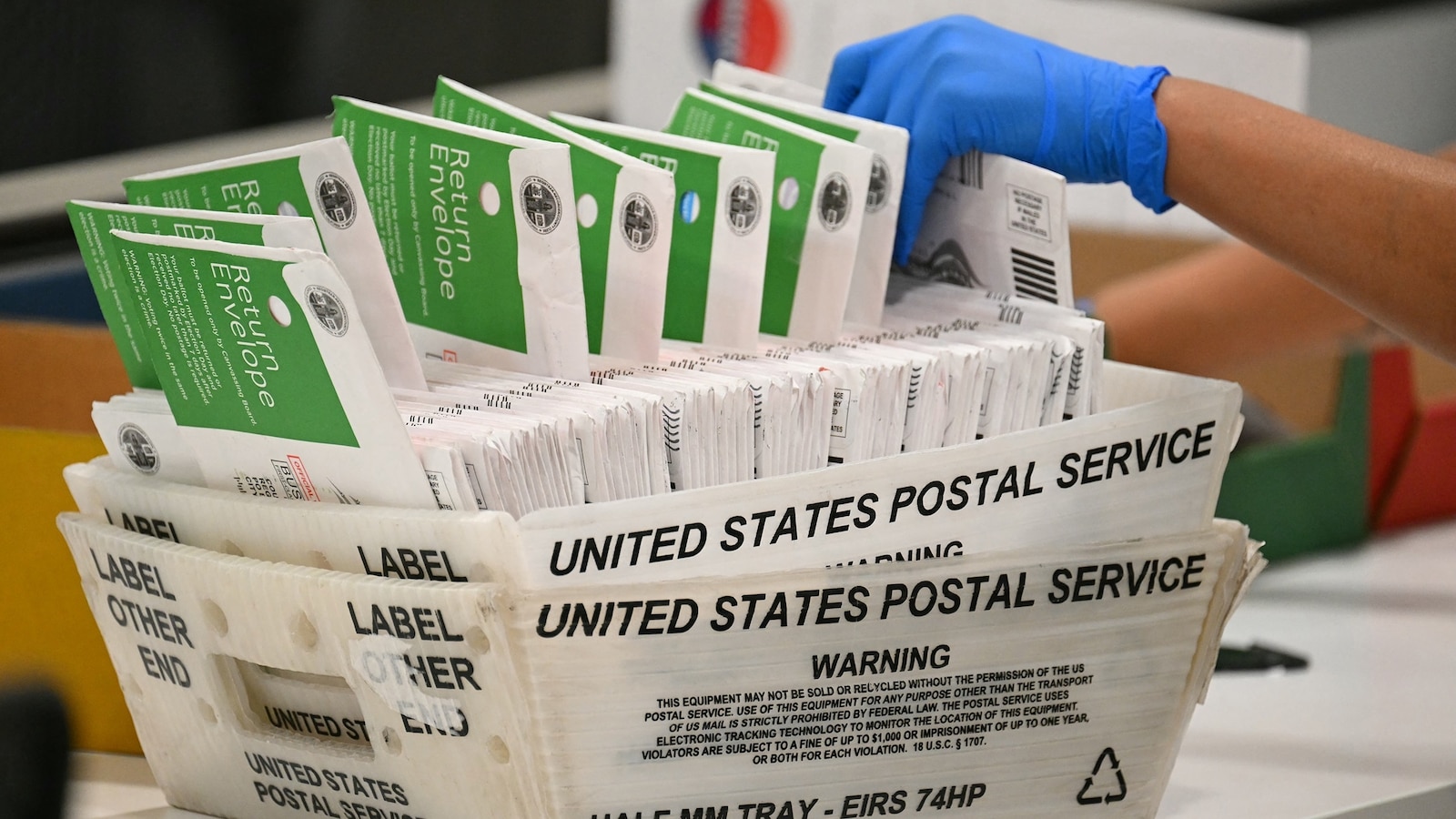
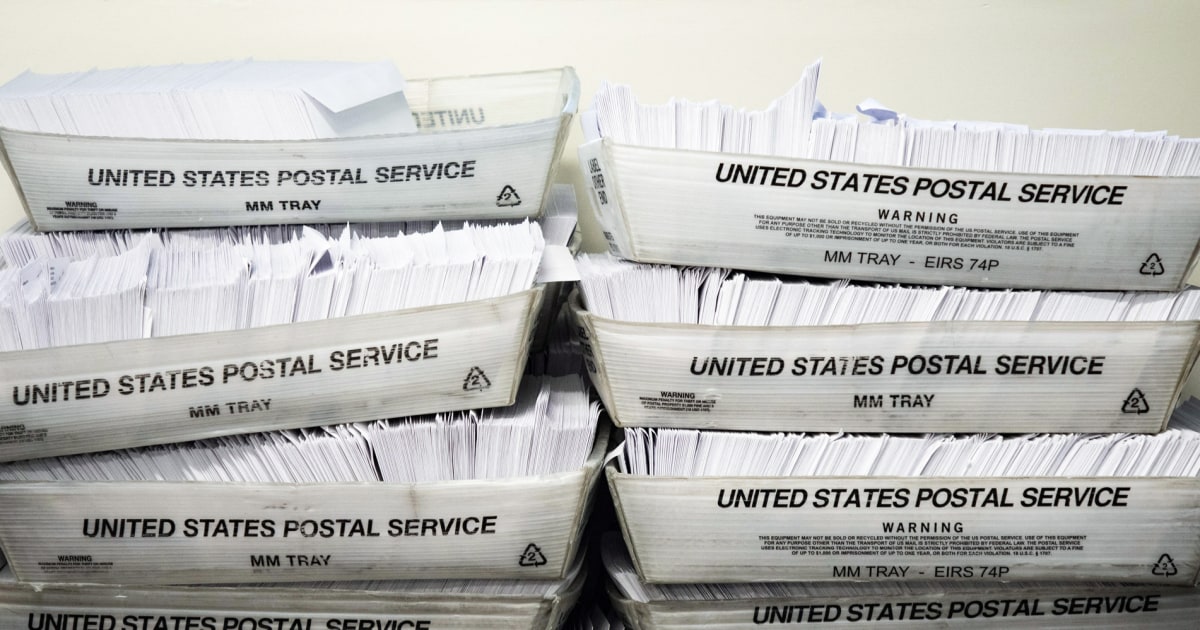
Postmaster General David Steiner delivered a stark warning to lawmakers on Monday, testifying before the Senate Homeland Security Committee that the United States Postal Service will exhaust its remaining cash reserves within 12 months unless Congress intervenes. The agency lost $9 billion in fiscal year 2025 and has fully drawn down its $15 billion borrowing limit with the U.S. Treasury, leaving it with no financial cushion to absorb further losses.
Steiner outlined a series of drastic contingency measures the agency is prepared to implement if funding does not materialize. Among them: reducing mail delivery from six days a week to five, closing up to 4,500 of the nation's 31,000 post offices — predominantly in rural areas — and eliminating Saturday package delivery. He told senators that without action, the Postal Service could be forced to begin furloughing portions of its 640,000-person workforce by early 2027.
The financial deterioration has accelerated in recent years despite a decade-long modernization effort. First-class mail volume, once the agency's primary revenue engine, has declined 45 percent since 2006 as Americans shifted to digital communication. Package revenue, which surged during the pandemic, has plateaued as Amazon and other major shippers expanded their own delivery networks. The Postal Service handled 116 billion pieces of mail last year, down from 213 billion at its peak.
Senators from both parties expressed alarm but differed sharply on solutions. Republican members pointed to operational inefficiencies and urged deeper cost-cutting, while Democrats argued the agency needs a direct federal appropriation for the first time in its modern history. Senator Gary Peters of Michigan, the committee chair, called the situation "a five-alarm fire" and said allowing the Postal Service to fail would devastate the 46 million Americans who receive prescription medications by mail.
The crisis has particular urgency in rural America, where post offices often serve as the only federal presence for miles and where residents depend on mail delivery for essential goods, government benefits, and absentee ballots. The National Association of Letter Carriers warned that closures would disproportionately affect elderly and low-income communities with limited internet access.
Steiner, who took over as Postmaster General in January after Louis DeJoy's retirement, urged Congress to consider a hybrid approach: a one-time emergency appropriation of $20 billion combined with regulatory relief that would allow the agency to raise stamp prices above the current 73-cent rate. The last major postal reform legislation, the Postal Service Reform Act, was signed in 2022 but did not address the agency's underlying structural deficit.