U.S. Weighs Sending Ground Troops Into Iran as F-35 Makes Emergency Landing After Being Hit
The Pentagon confirmed preparing ground troop deployment scenarios while an F-35 fighter jet — the most expensive weapons system in U.S. history — made an emergency landing after being struck by Iranian fire, the most serious American aircraft loss of the conflict.
The Trump administration acknowledged Friday that it was preparing for the potential use of American ground troops inside Iran, even as officials maintained that no final decision had been made — a disclosure that came on the same day an F-35 fighter jet made an emergency landing at a U.S. military base in the Middle East after being struck by Iranian fire, the first confirmed loss of an advanced American stealth aircraft in the conflict. The combination of events marked a significant escalation in the scope and risk of U.S. involvement in the Iran war, which began 21 days ago with airstrikes the White House called a response to an "imminent" threat from Tehran.
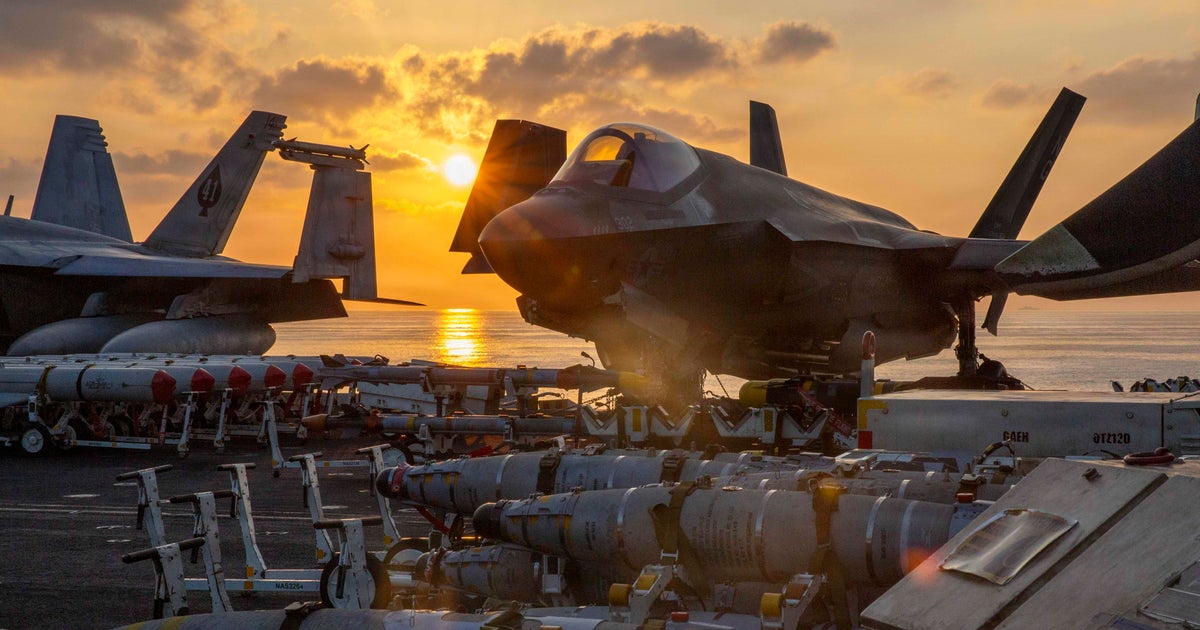
The F-35, which had been flying a combat mission over Iran, was struck by what U.S. officials described as Iranian surface-to-air missile fire. The pilot survived and was in stable condition, the Pentagon said, but officials declined to specify which variant of the aircraft was involved or how badly it was damaged. The loss is symbolically significant: the F-35 is the most expensive weapons system in U.S. military history and was long considered nearly invulnerable to Iranian air defenses. Its vulnerability demonstrated that Iran's missile and radar systems — though degraded by more than 7,000 U.S. strikes — retained meaningful capability to threaten American airpower. Defense Secretary Pete Hegseth said the incident "changes nothing" about U.S. targeting strategy.
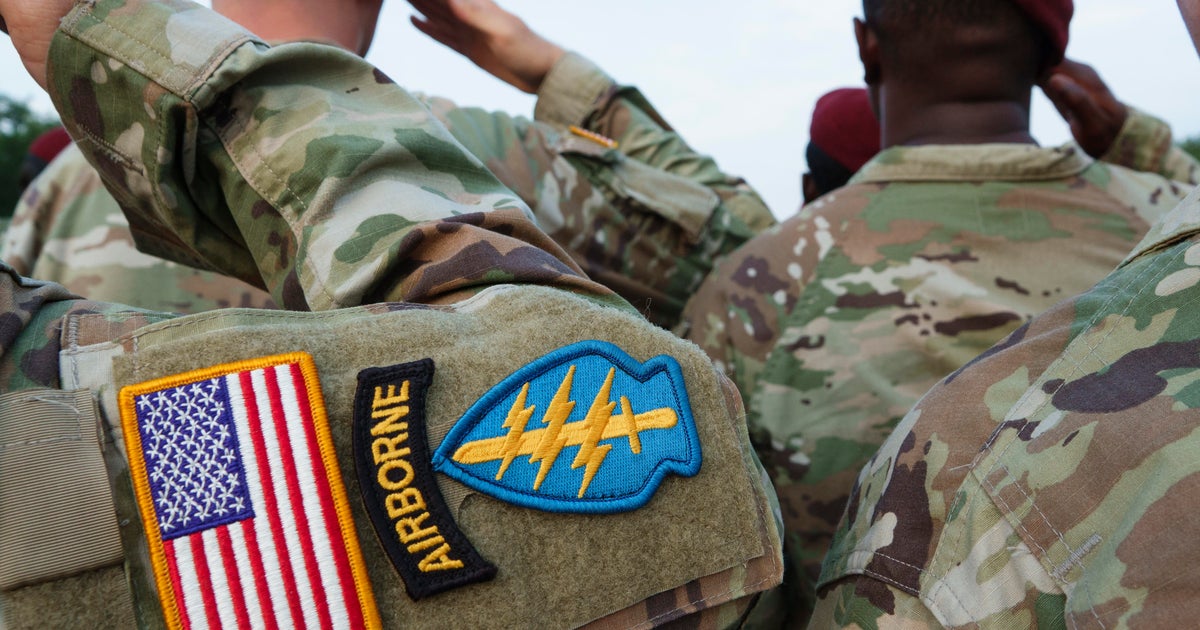
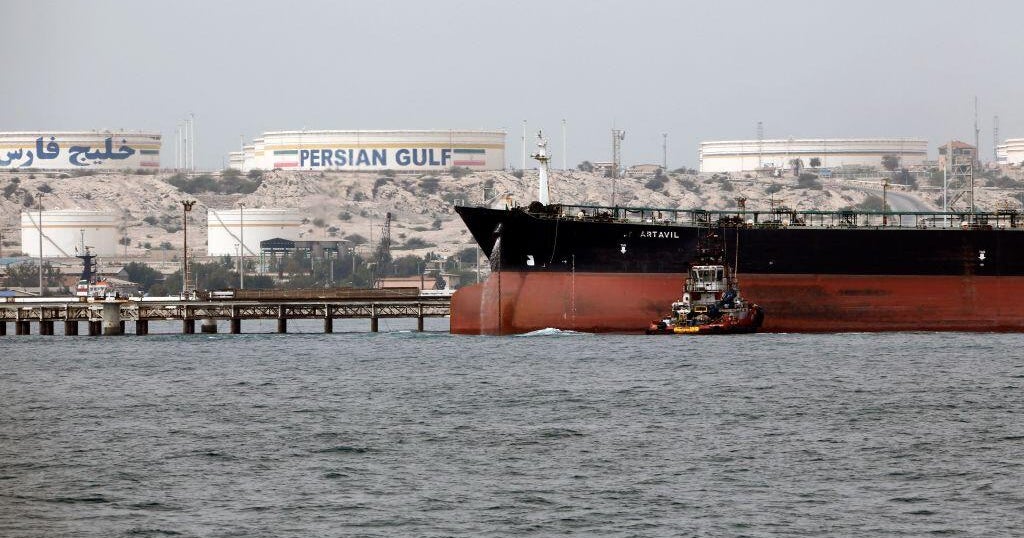
Sources briefed on internal administration deliberations told CBS News that the Pentagon had prepared multiple ground troop deployment scenarios, including a specialized operation to secure Iranian nuclear material — potentially including enriched uranium and related equipment at the Natanz and Fordow facilities — and a broader occupation of the Strait of Hormuz's southern chokepoint to force it open to commercial shipping. President Trump told reporters he had "not made up my mind" about authorizing ground forces, but added that he was keeping "all options on the table." That formulation, familiar from decades of American diplomacy, was taken seriously by Gulf allies who have privately warned Washington that any ground troop deployment into Iran would trigger a broader regional escalation and potentially draw in Russia and China as proxy supporters of Tehran.
A Reuters/Ipsos poll released Friday found that 64 percent of Americans expected Trump to send ground troops to Iran at some point, but 55 percent said they opposed such a move. The gap between expectation and approval reflected a broader public unease with a war that began without congressional authorization and has expanded steadily since February 28. The Senate's March 4 war powers resolution, which would have required Trump to withdraw U.S. forces from Iran within 30 days, failed 47-53, with only Republican Rand Paul and Democrat John Fetterman crossing party lines. Since that vote, Iran has responded to each new U.S. escalation with its own counterstrikes on Gulf energy infrastructure, a pattern that has so far defied the administration's repeated predictions of imminent Iranian collapse.
Despite the White House's suggestion that the United States was "considering winding down" military operations, the deployments continued to accumulate. The 11th Marine Expeditionary Unit — approximately 2,200 Marines — was confirmed to be departing San Diego in the coming days, following the earlier deployment of three additional warships. Pentagon spokeswoman Sabrina Singh said the deployments were "defensive and deterrent in nature," designed to protect U.S. forces and allies in the region rather than to prepare for a ground invasion. But former Pentagon officials, speaking on background, said the combination of forces being positioned in and around the Persian Gulf now represented sufficient capability for a sustained ground operation in southwestern Iran — the Khuzestan province where much of Iran's onshore oil infrastructure is located. Whether Trump will authorize such a mission remains the central military question of the war.