U.S. Navy Deploys Advanced Anti-Ship Defenses in Persian Gulf Following Cole Attack Legacy
Navy destroyers enforcing Iranian port blockade carry weapons developed after USS Cole bombing 25 years ago. Modern defenses aim to prevent repeat of devastating 2000 attack.
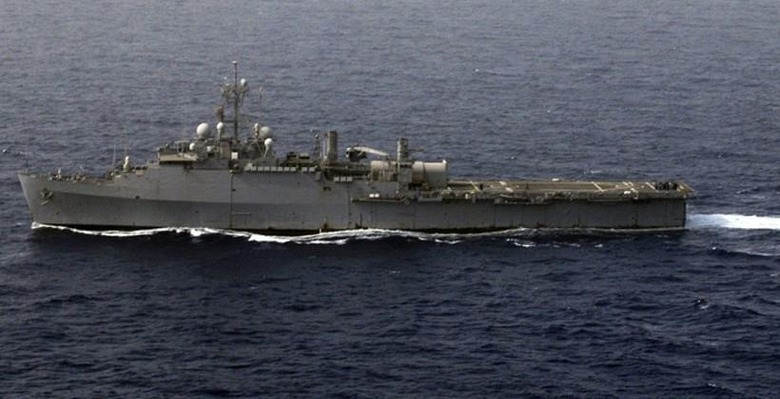
U.S. Navy destroyers currently enforcing a blockade of Iranian ports are equipped with advanced defensive systems that were developed in direct response to the USS Cole attack more than 25 years ago. The October 2000 bombing of the Cole in Yemen's Aden harbor killed 17 sailors and nearly sank the destroyer, exposing critical vulnerabilities in naval defense systems. The attack prompted a comprehensive overhaul of ship protection protocols and weapons systems that are now being put to the test in the volatile Strait of Hormuz.
The current naval deployment represents the largest U.S. military presence in the Persian Gulf since the 2003 Iraq invasion. Multiple Arleigh Burke-class destroyers are maintaining positions near key Iranian ports, implementing what Pentagon officials describe as a "comprehensive maritime interdiction operation." These vessels carry Close-In Weapons Systems (CIWS), Rolling Airframe Missiles, and advanced radar systems specifically designed to counter small boat attacks and missile threats.
The Cole attack fundamentally changed how the Navy approaches port security and coastal operations. Prior to 2000, destroyers relied primarily on crew vigilance and basic defensive measures when operating near hostile shores. The suicide bombing by al-Qaeda operatives in a small explosives-laden boat demonstrated how conventional naval defenses could be overwhelmed by asymmetric threats. The attack created a 40-foot hole in the Cole's hull and left the ship listing heavily before damage control teams stabilized the vessel.
Today's destroyers incorporate lessons learned from that devastating incident through layered defensive systems. Advanced sonar arrays can detect approaching small craft at greater distances, while automated weapons systems provide rapid response capabilities against multiple simultaneous threats. The ships also maintain larger security perimeters and employ unmanned surveillance platforms to monitor surrounding waters continuously.
The deployment comes as tensions between Washington and Tehran have escalated dramatically over Iran's nuclear program and regional activities. Iranian Revolutionary Guard forces have repeatedly threatened to close the Strait of Hormuz, through which roughly 20% of global oil supplies transit daily. Military analysts note that the enhanced defensive capabilities now protecting U.S. naval forces represent a significant deterrent against the kind of small-boat swarm tactics that Iranian forces have practiced extensively in recent years.