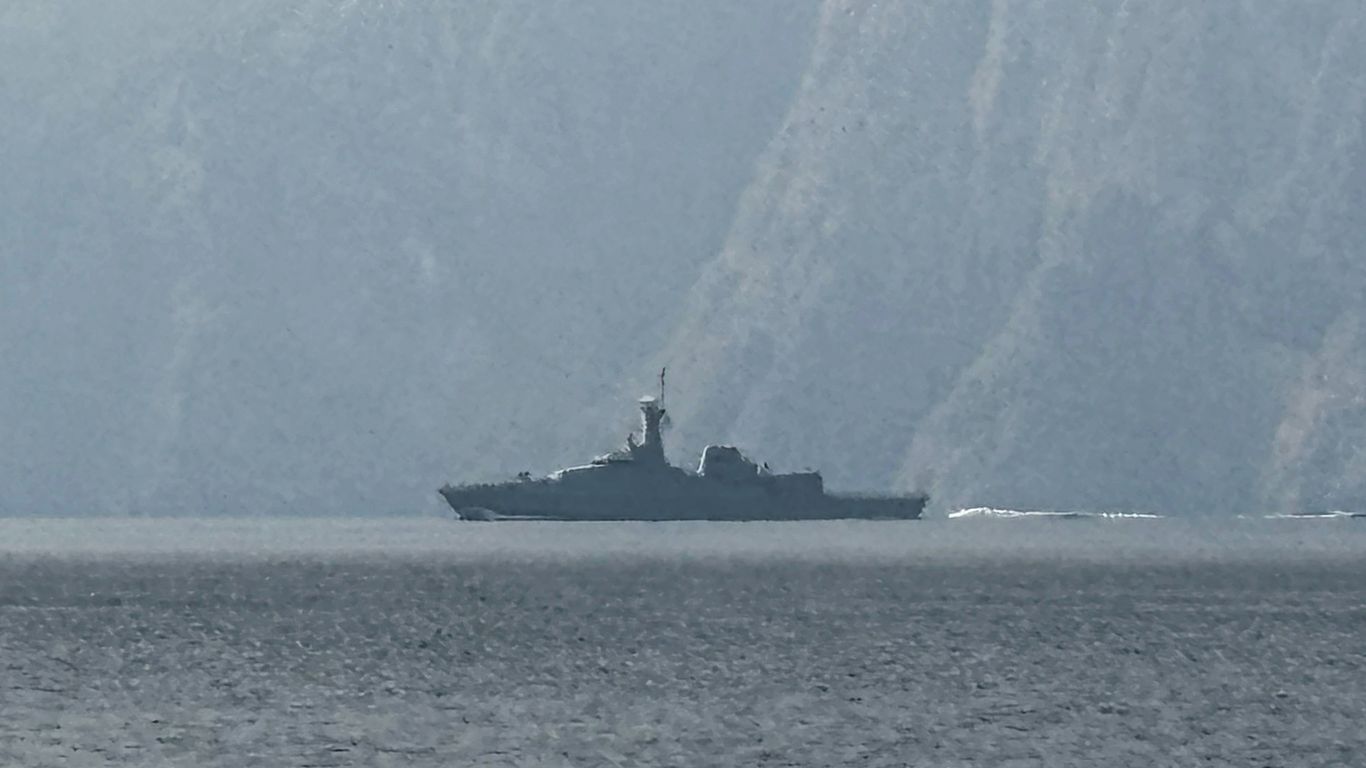
U.S. Naval Blockade of Iran's Ports Takes Effect as Trump Vows to 'Eliminate' Ships That Defy It
The USS Abraham Lincoln carrier group began enforcing a blockade of Iranian ports at 10 a.m. EDT Monday, with oil prices surging past $104/barrel and Iran's Revolutionary Guard vowing retaliation.
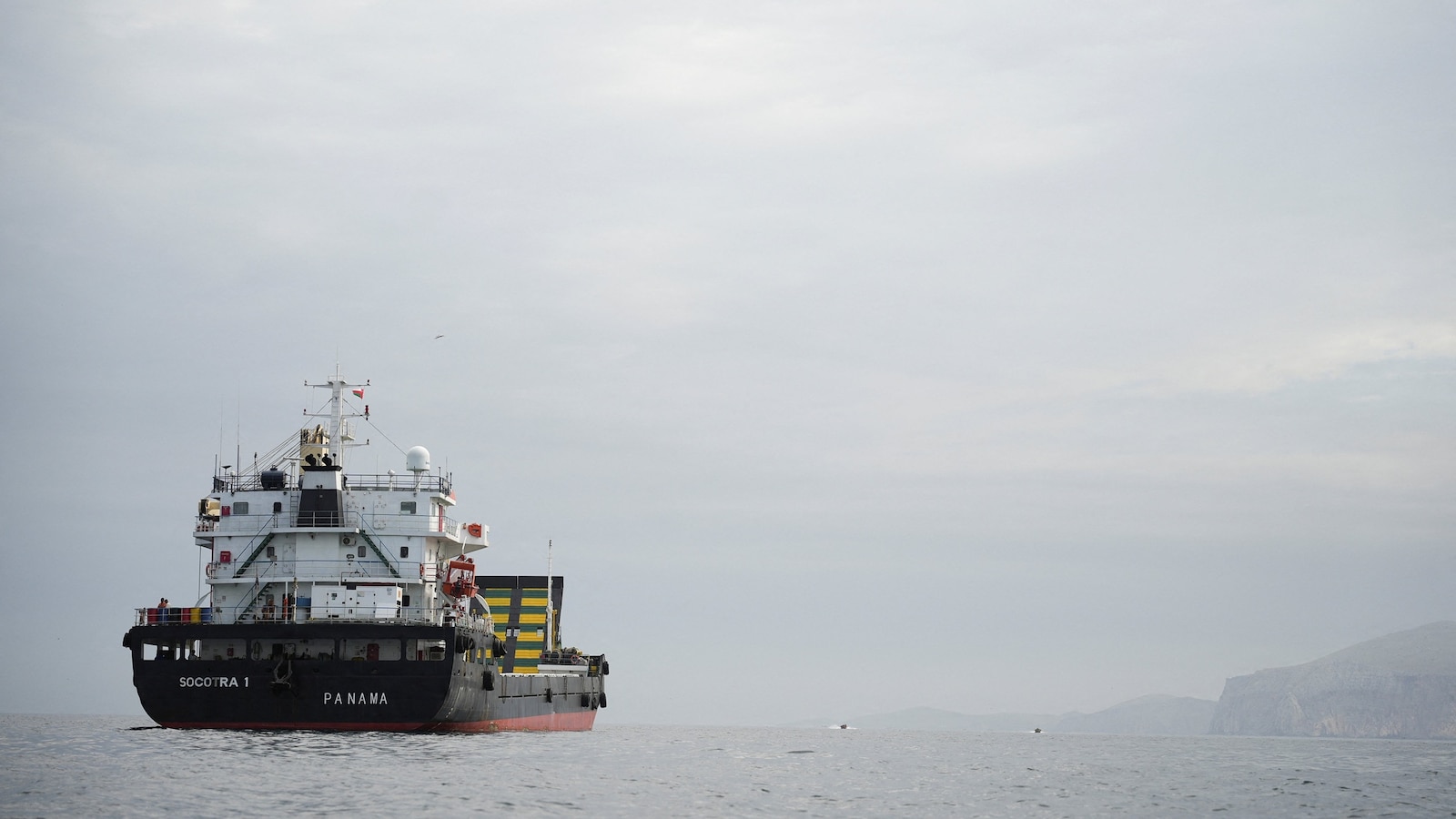
The United States military began enforcing a naval blockade of all Iranian ports at 10 a.m. EDT on Monday, April 13, escalating the ongoing U.S.-Iran conflict to its most dangerous phase yet and sending oil prices surging above $100 per barrel within hours. The blockade is commanded by the USS Abraham Lincoln carrier strike group, together with 11 destroyers and the USS Tripoli amphibious assault group — making it the largest American naval enforcement operation in the Middle East in decades. President Trump ordered the measure after marathon peace talks in Islamabad, Pakistan, collapsed over the weekend after 21 hours without any agreement, leaving the administration with what officials privately described as "several unpalatable options."
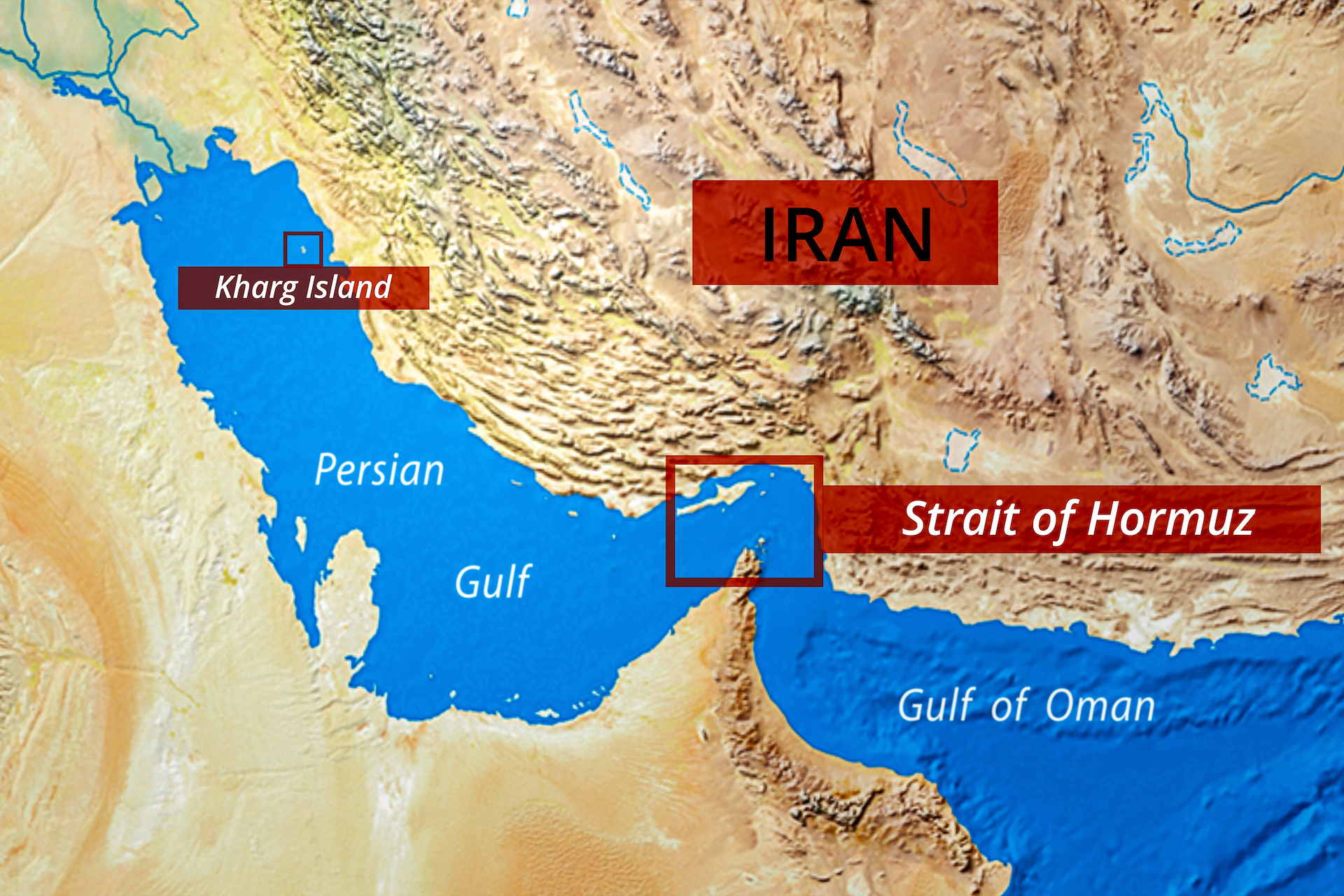
"If any of these ships come anywhere near our BLOCKADE, they will be immediately ELIMINATED," Trump declared on Truth Social early Monday morning, issuing a stark warning to Iranian naval forces and any commercial vessels that might attempt to defy the American cordon. U.S. Central Command subsequently clarified that American forces would prevent ships from entering or departing Iranian ports and coastal areas, while stopping short of impeding "freedom of navigation for vessels transiting the Strait of Hormuz to and from non-Iranian ports." The distinction proved immediately contentious. Iran's Islamic Revolutionary Guard Corps called the American action "piracy" and warned that its ports are "either for everyone or for no one," insisting that the strait remained under full Iranian control. A defense ministry spokesperson cautioned that foreign intervention in the strait could "escalate the crisis and instability in global energy security."
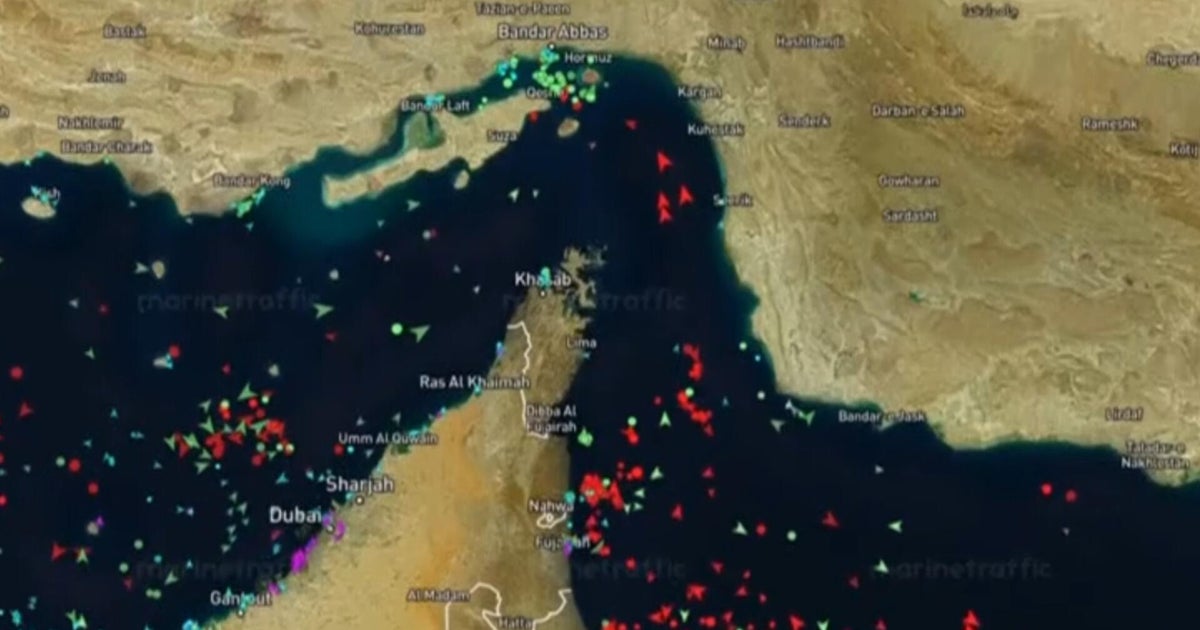
Oil markets reacted with swift alarm. U.S. crude surged to $104.24 per barrel while Brent crude, the international benchmark, climbed to $102.29 — its first sustained close above $100 since the war began in late February. At least two tankers were reported turning away from the strait within hours of the blockade taking effect. The price spike adds to a roughly 40% increase in crude prices since the conflict started. Energy Secretary Chris Wright told reporters that prices could remain "high, and maybe even rising" until "meaningful ship traffic" gets through the waterway. Analysts warned that sustained disruption at this level could push oil to $130 per barrel or beyond, comparable to price shocks seen during the 1970s oil crisis.
Vice President JD Vance, who led the failed Pakistan negotiations, said Iran had "chosen not to accept our terms," with the central sticking point being Tehran's refusal to commit to abandoning its nuclear weapons program and surrendering enriched uranium stockpiles. Iranian negotiators countered by accusing Washington of presenting excessive demands that left no room for genuine compromise. The talks, representing the first direct high-level U.S.-Iran diplomatic contact since the 1979 Islamic Revolution, ended in mutual recrimination. Back in the United States, Trump had notably attended a UFC event in Miami on Saturday evening while the negotiations collapsed, declaring afterward that the outcome was irrelevant because "we win, regardless." His apparent detachment from the diplomatic process raised questions among foreign policy analysts about the administration's true commitment to a negotiated solution.
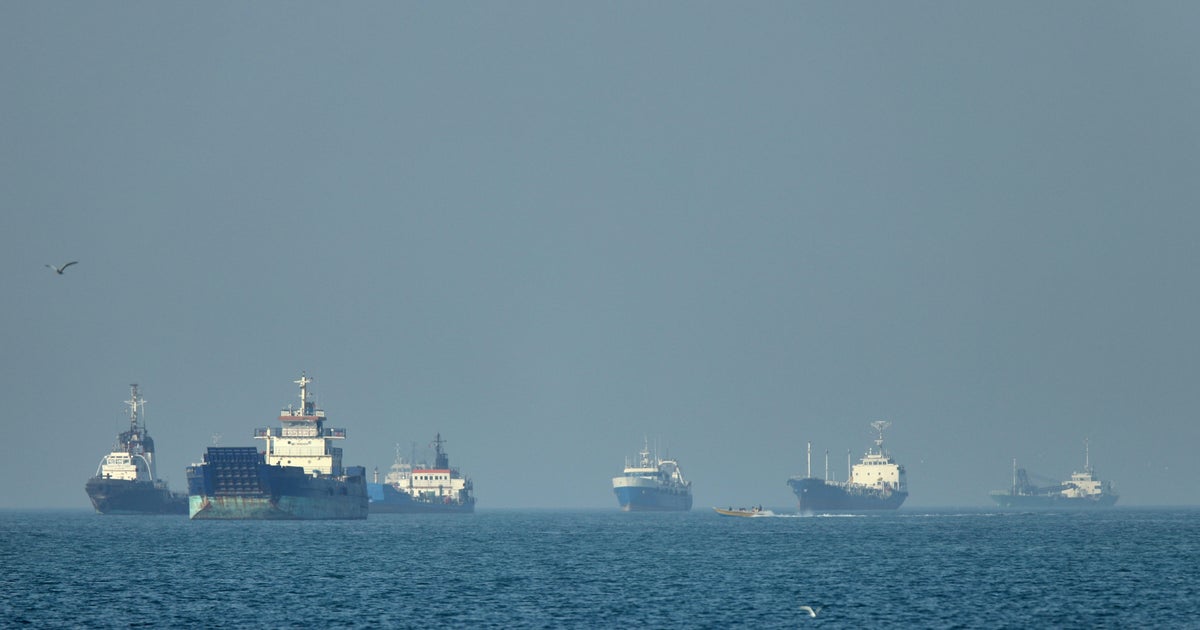
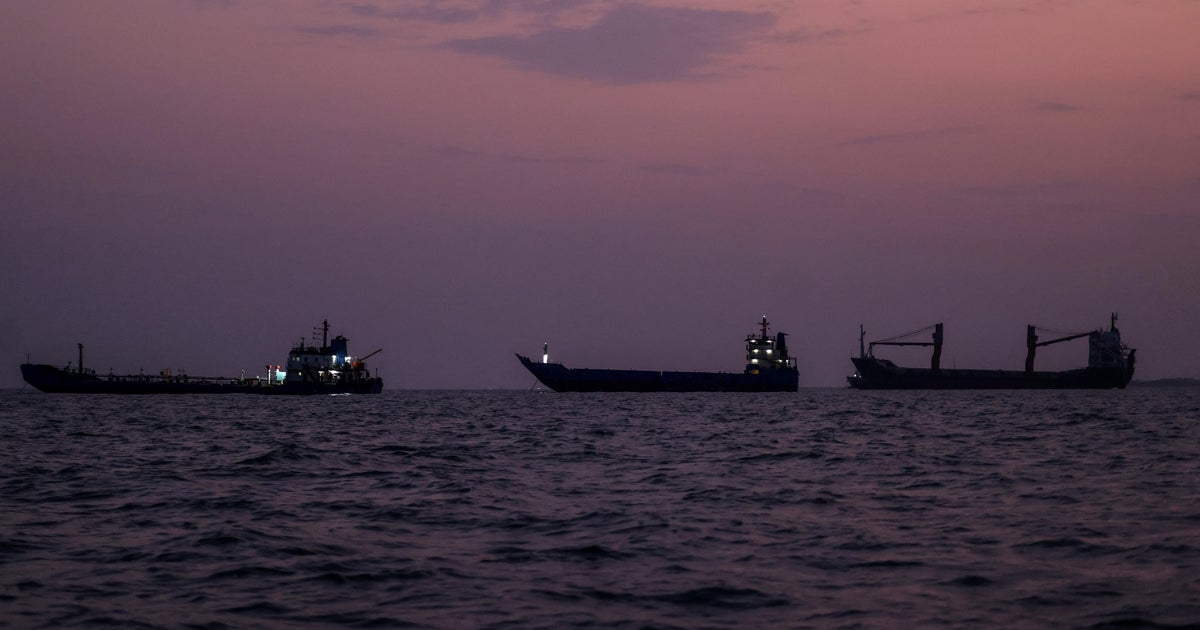
France and the United Kingdom responded to the blockade by announcing emergency multilateral talks aimed at "restoring freedom of navigation" in the strait. A senior NATO official told CBS News that Britain is leading planning efforts for a coalition of more than 40 nations to reopen the waterway — though London stressed it would not participate in the American blockade itself. India deployed five warships under Operation Urja Suraksha to escort Indian-flagged cargo vessels, while Japan and Australia declined to send naval assets. With global energy markets in turmoil, at least 150 vessels anchored outside the strait, and diplomatic solutions exhausted for the moment, Monday's blockade marks what analysts are calling a potential turning point — one that could define the trajectory of the most consequential geopolitical crisis of the decade.