US Military Kills 5 Aboard Alleged Drug Boats in Eastern Pacific, Raising Legal and Human Rights Questions
The Trump administration's seven-month campaign of lethal maritime strikes against suspected drug traffickers has now killed at least 168 people, with critics questioning whether adequate evidence justifies lethal force on civilian vessels.
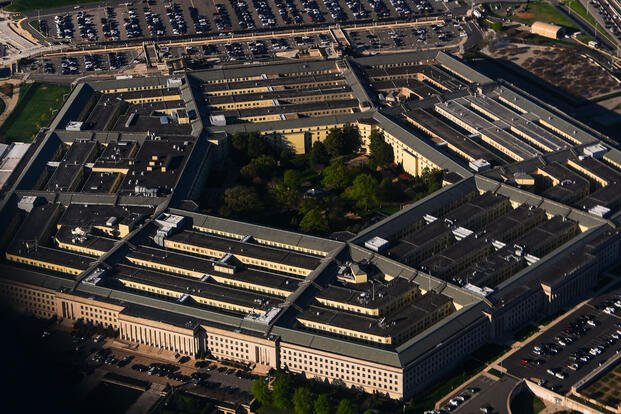
The United States military launched strikes against two alleged drug trafficking boats in the Eastern Pacific Ocean over the weekend, killing five people and leaving one survivor, as the Trump administration's seven-month campaign of lethal maritime interdiction against suspected Latin American drug traffickers continues to expand — and draw mounting legal and human rights questions.
The strikes, executed Saturday under the authority of U.S. Southern Command and the Coast Guard, destroyed two small vessels the military described as carrying narcotics. A military spokesperson said one person survived and was taken into custody. The operation brings the total number of individuals killed since the campaign began in early September 2025 to at least 168, with additional strikes announced since the weekend bringing the total to approximately 175 deaths through Tuesday.
President Trump has characterized the campaign in legal terms that broke sharply from precedent. The administration designated major drug cartels as foreign terrorist organizations, arguing that designation provides statutory authority for lethal military action on the high seas without a formal congressional authorization for use of force. Critics, including several former military lawyers and constitutional scholars, argue that U.S. law does not permit targeting vessels solely on suspicion of drug trafficking without judicial authorization.
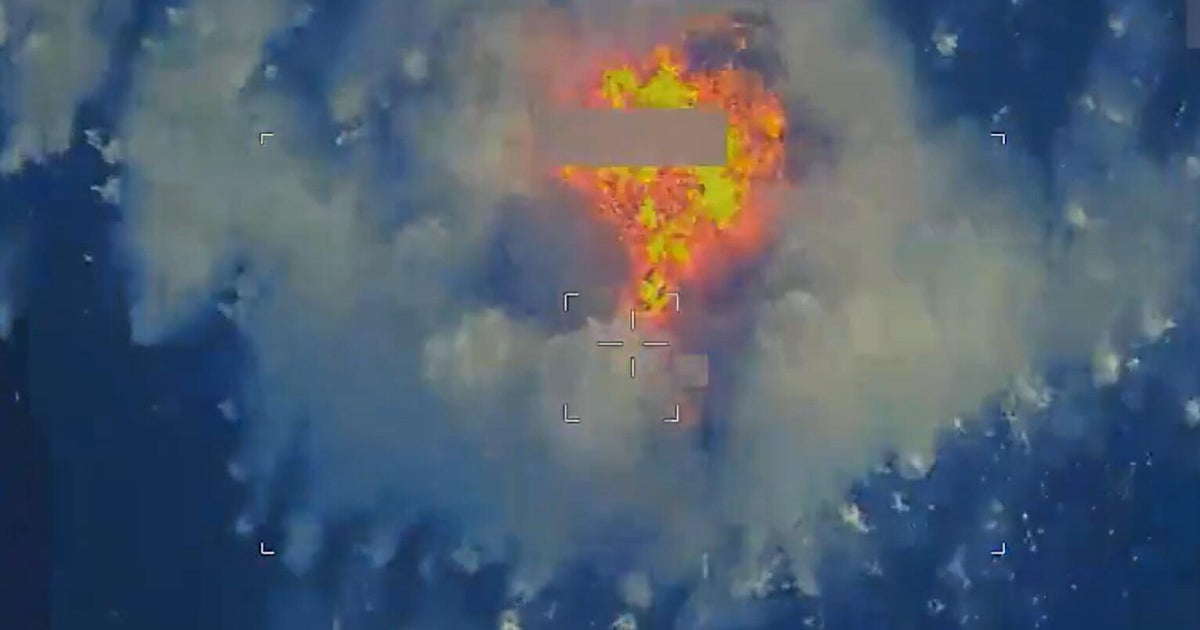
The legal and evidentiary concerns are compounded by the military's own transparency record. In none of the strikes publicly announced to date has the Pentagon provided physical evidence that the targeted vessels were actually carrying drugs. Videos released to media of some attacks show fireballs engulfing small boats, but no documentation of seized contraband has been disclosed. The military has described boats as confirmed drug carriers based on surveillance data and intelligence assessments — the details of which remain classified.
Critics of the campaign note a fundamental strategic contradiction: the vast majority of fentanyl reaching American cities does not arrive by sea. The Drug Enforcement Administration's own data indicates that primary overland routes through Mexico account for the bulk of illicit fentanyl flow, which is typically manufactured in Mexican cartel labs using chemical precursors imported from China and India. Maritime interdiction, while producing dramatic imagery, may have limited impact on overdose deaths.
The United Nations Office on Drugs and Crime noted that international maritime law requires flag state notification and clear evidence of criminal activity before vessels can be boarded, searched, or destroyed on the high seas. The countries whose flags the destroyed vessels flew have not publicly protested, in part because many of the boats used by traffickers fly convenience flags or operate without registered nationality.
At least one human rights organization has called for a congressional hearing on the strikes. Senate Democrats on the Armed Services Committee have requested a classified briefing from Pentagon officials, scheduled for later this week. The issue has received relatively limited public attention, overshadowed by the ongoing conflict with Iran, but legal analysts say the operations raise profound questions about executive authority, the laws of war, and the standards of evidence required before the United States uses lethal force against individuals at sea.