U.S. Lifts Iran Oil Sanctions Mid-War: 140 Million Barrels Released as Critics Warn 'We're Funding Our Own Enemy'
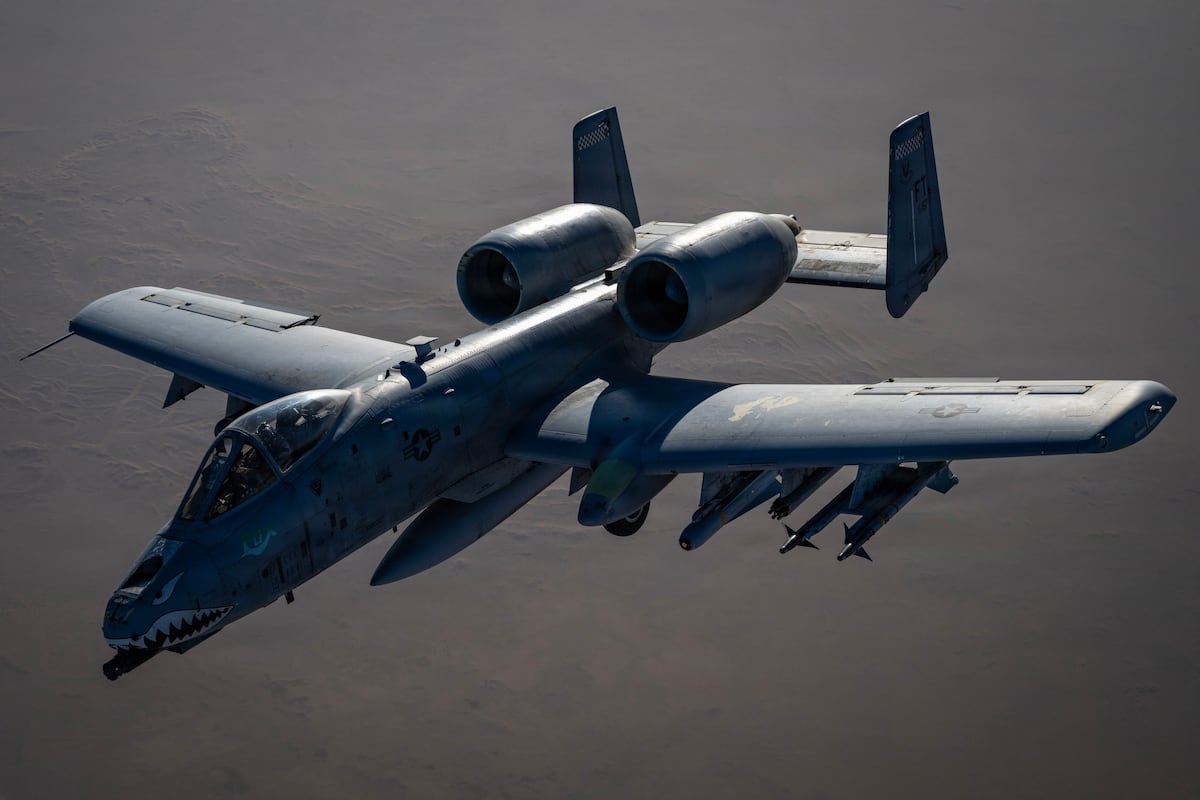
Treasury Secretary Scott Bessent issued Iran General License U on Friday, a 30-day waiver permitting buyers to purchase Iranian crude oil already at sea — unleashing up to $14 billion for Tehran even as American and Israeli aircraft continued striking the country for the 22nd consecutive day.
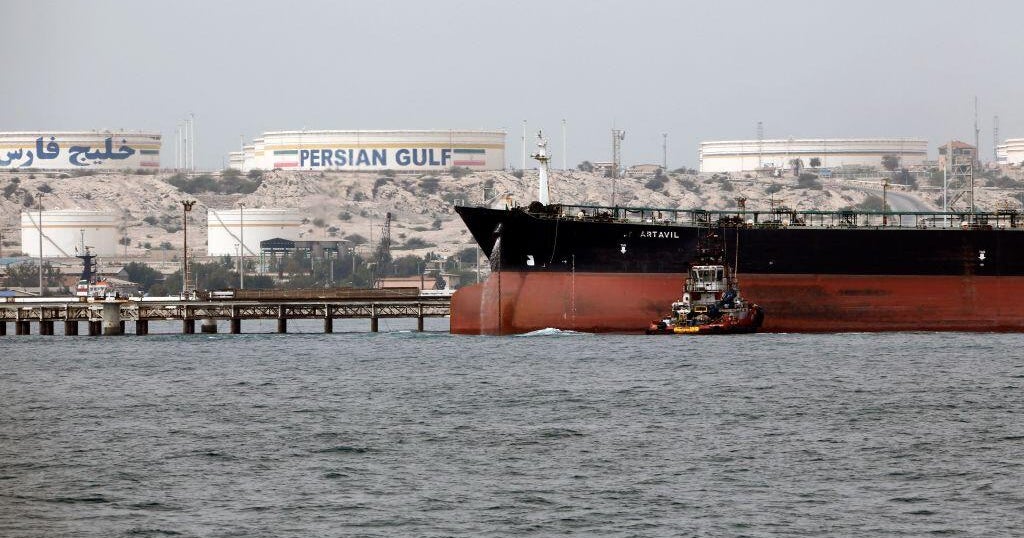
The Trump administration on Friday took the extraordinary step of temporarily lifting economic sanctions on Iranian crude oil sitting aboard tankers at sea, issuing a 30-day authorization that could bring up to 140 million barrels of petroleum to global markets — even as American and Israeli forces continued striking Iranian targets for the 22nd consecutive day.
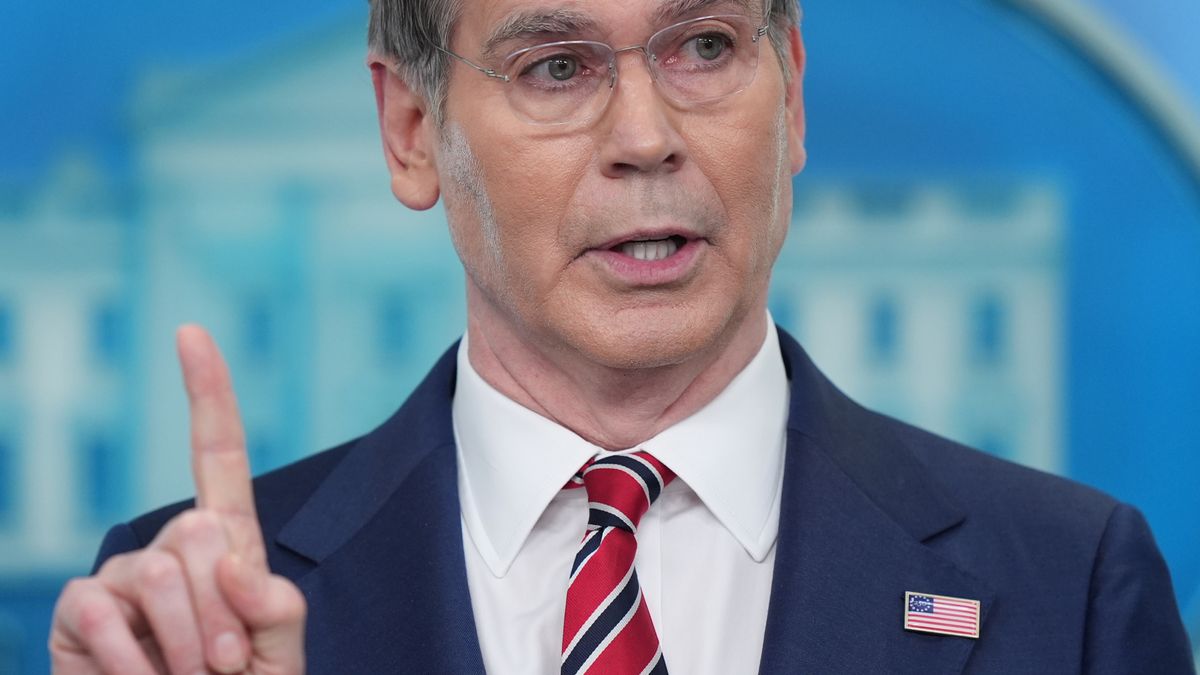
Treasury Secretary Scott Bessent announced the measure, officially designated Iran General License U, in a post on X on Friday evening. The authorization, valid through April 19, permits buyers to purchase Iranian oil that was loaded onto ships before 12:01 a.m. Eastern time on Friday, exempting them from the sweeping sanctions that have restricted Iran's energy sector for decades. The license excludes transactions involving North Korea, Cuba, and Russian-occupied Ukrainian territories.
"In essence, we will be using the Iranian barrels against Tehran to keep the price down as we continue Operation Epic Fury," Bessent wrote, invoking the official name of the U.S.-Israeli military campaign against Iran that began on February 28. He added that the barrels had effectively been "hoarded by China on the cheap" and that the authorization would deny Beijing that advantage.
The announcement represents a dramatic reversal of the Trump administration's flagship "maximum pressure" policy on Iran, which relied on broad energy sanctions to isolate Tehran economically. By some estimates, Iran stood to gain more than $14 billion from the sale of the newly licensed oil at current prices — money that critics warned would flow directly into the coffers of the government the United States is actively bombing.
"The U.S. is funding a war against itself," said one energy researcher at a Washington-based policy institute, voicing a sentiment that rippled across Capitol Hill on Friday evening. Analysts at Goldman Sachs and Citigroup warned the measure would provide only a temporary reprieve of 10 to 14 days on oil prices before markets would again face tightening supply from the Hormuz closure.
The decision came as Brent crude settled at $112.19 per barrel on Friday — its highest close since the conflict began — and U.S. retail gasoline prices approached a national average of $4 per gallon, up nearly $1 from a month earlier. Diesel exceeded $5 per gallon in most major markets. The administration had already taken a series of emergency measures, including releasing strategic petroleum reserves, lifting the Jones Act for domestic fuel transport, and earlier easing sanctions on some Russian oil, but none had succeeded in containing the price surge.
The Strait of Hormuz, the narrow waterway through which roughly 20 percent of the world's daily oil supply and a similar share of liquefied natural gas normally passes, has been effectively paralyzed since the war began. More than 3,000 ships remain stranded in the region, unable to transit the strategically vital passage amid continuing Iranian threats against tanker traffic and periodic mine-laying operations.
National Security Adviser Mike Waltz defended the move on CNN on Sunday morning, framing it as a narrow, tactical measure. "We are simply unlocking supply that already exists," Waltz said. "Those Iranian barrels would have done nothing for American consumers sitting on a tanker. Now they will."
Senate Minority Leader Chuck Schumer (D-N.Y.) issued a blistering statement calling the sanctions rollback "shameful and reckless," arguing it would embolden Tehran and undercut the economic leverage that maximum pressure was supposed to sustain. "You cannot bomb a country and simultaneously hand them a $14 billion lifeline," Schumer said Friday night.
The Foundation for Defense of Democracies, a hawkish Washington think tank, published a detailed analysis calling the move "funding the enemy without guardrails," noting that despite Bessent's reassurances, no enforcement mechanism exists to prevent Iran from accessing the oil sale proceeds through third-party intermediaries in Turkey, the UAE, or China. The group estimated that even with continued financial restrictions, Tehran could access a significant fraction of the proceeds within 90 days.
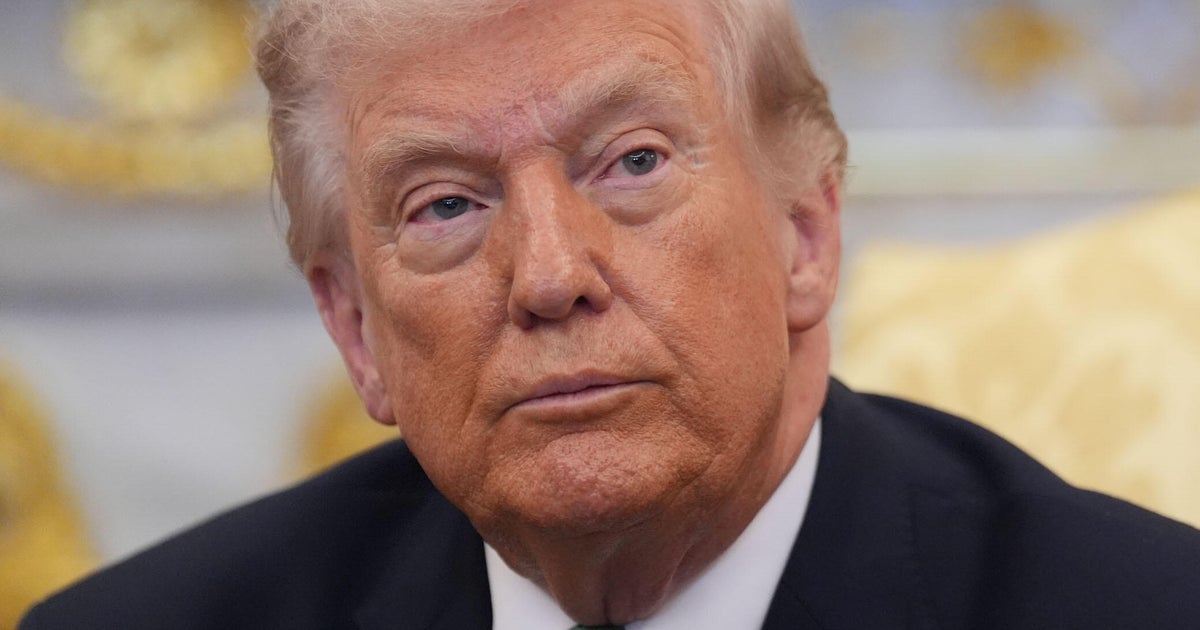
President Trump, posting on Truth Social on Saturday morning, sought to reframe the move as a show of strength rather than economic desperation. "We will use Iran's own oil to defeat Iran," he wrote. "Brilliant strategy, very few people understand this level of genius." He did not address the bipartisan criticism of the sanctions relief or the ongoing Hormuz closure.