Trump Says Iran Deal Could Come 'Within Two Days' as Islamabad Talks Collapse and Ceasefire Clock Ticks
U.S. and Iranian officials are moving toward a second round of face-to-face negotiations in Pakistan, with the fragile two-week ceasefire set to expire around April 21 and the naval blockade entering its second day.
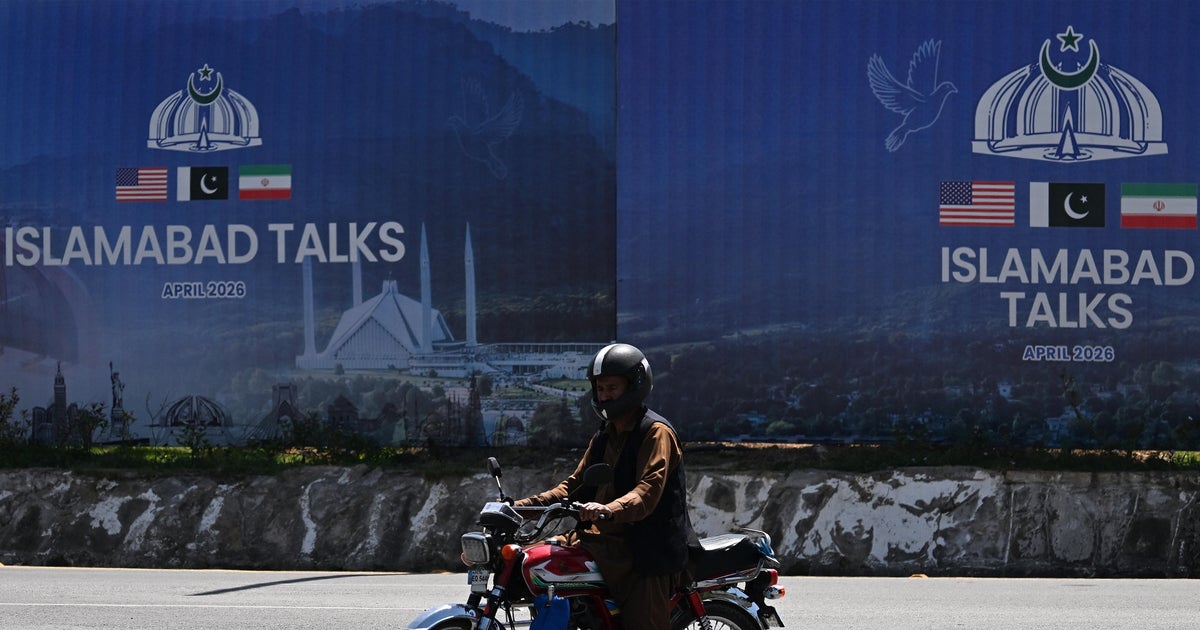
The United States and Iran are moving toward a second round of direct negotiations in an effort to avert the collapse of a fragile two-week ceasefire that expires around April 21, with President Trump telling reporters Monday that "something could be happening" over the next two days in Pakistan. Officials familiar with the matter confirmed that American and Iranian teams were discussing a return to Islamabad, where a marathon 21-hour session over the weekend failed to produce a breakthrough despite three rounds of talks — the first indirect, the second and third direct.
The initial session, known as the Islamabad Talks, was the highest-level face-to-face meeting between the two governments since Iran's 1979 revolution. The 300-member U.S. delegation was led by Vice President JD Vance, alongside special envoys Steve Witkoff and Jared Kushner, while Iran's 70-member team was headed by parliamentary speaker Mohammad Bagher Ghalibaf and Foreign Minister Abbas Araghchi. Pakistan's Prime Minister Shehbaz Sharif and Army Chief Field Marshal Asim Munir served as mediators, with Qatar's Foreign Minister Sheikh Mohammed bin Abdulrahman Al Thani also playing a supporting role.
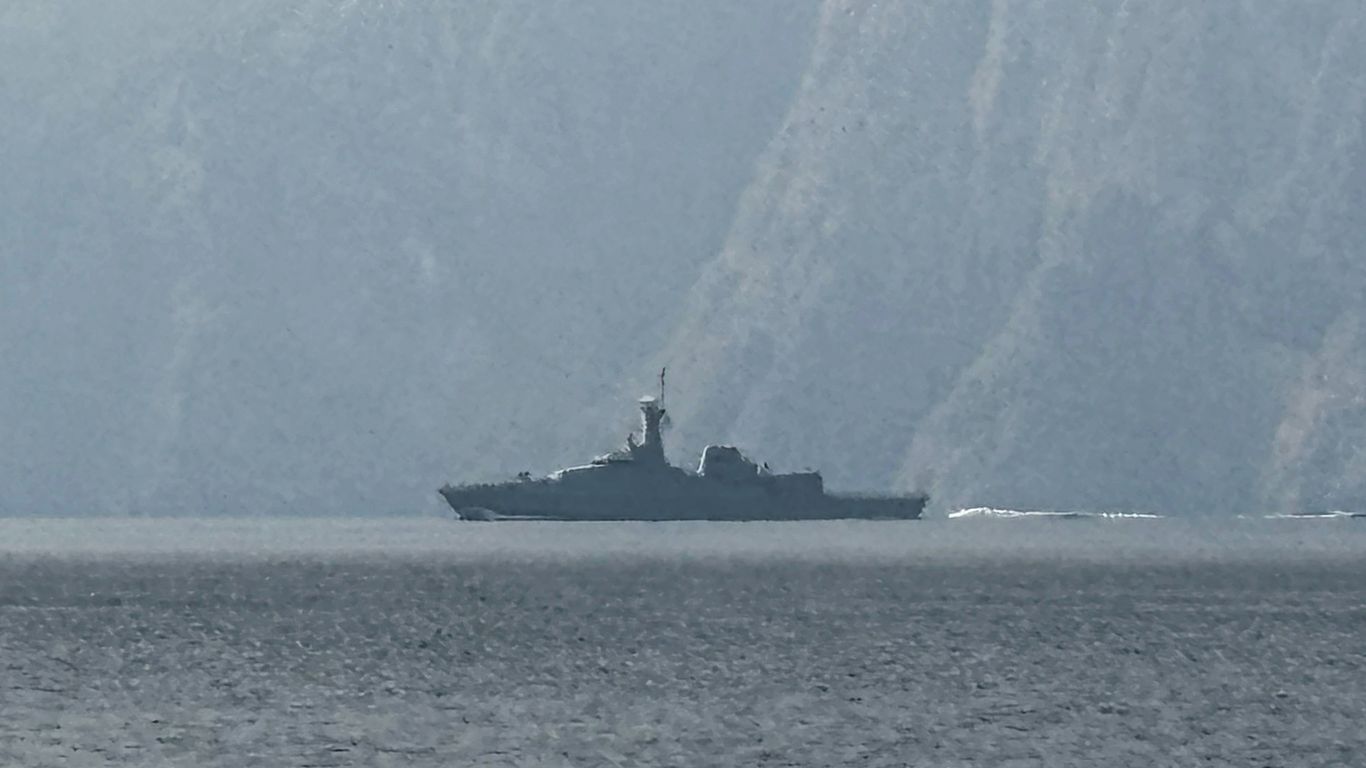
Negotiators were able to agree on most points of a ten-point ceasefire framework, but two issues remained unresolved: the status of the Strait of Hormuz and Iran's nuclear enrichment program. Washington is demanding Iran suspend uranium enrichment for a minimum of 20 years and submit to an extensive inspections regime, while Tehran insists it has the sovereign right to a peaceful nuclear program. The U.S. naval blockade of Iranian ports, which entered its second day Tuesday, has added enormous pressure to both sides. Qatar's foreign minister publicly warned against using maritime access through the Strait as a "bargaining tool," cautioning that such an approach could destabilize global energy markets further.
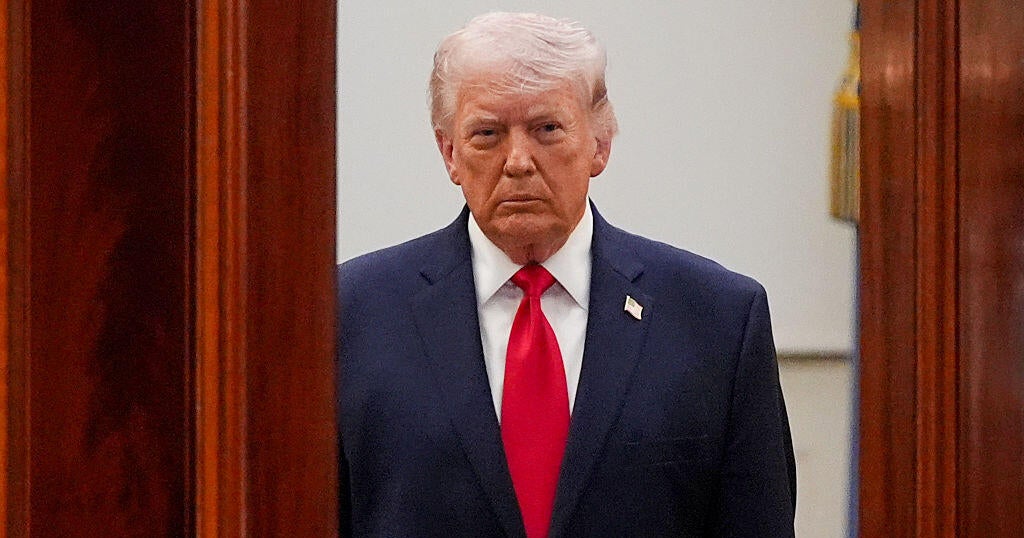
Pakistani officials said they view the window for a second session as a matter of hours, not days. Officials might be "counting the time they have at their disposal in hours, rather than days," one person briefed on the mediation effort told reporters. UN Secretary General António Guterres said it was "highly probable" that talks would restart. A White House spokesperson tempered expectations, saying future talks were "under discussion but nothing has been scheduled at this time." Trump has publicly said Iran "would like to make a deal — very badly," though he has simultaneously maintained that ships attempting to violate the blockade "will be immediately eliminated."
The economic stakes of the ongoing standoff are severe. Crude oil prices surged above $104 a barrel after the first-round talks collapsed, roughly double the pre-war price of around $70. The International Monetary Fund has slashed its Middle East and North Africa growth forecast to 1.1%, predicting Iran's economy will contract by 6.1% this year. More than 10,000 U.S. service members are now enforcing the blockade. No vessels successfully crossed the blockade in the first 24 hours of enforcement, though maritime tracking services later reported at least three Iran-linked ships transiting the Strait. Twenty-one-hundred empty oil tankers were making their way toward U.S. ports as global supply chains scrambled to adapt. With the ceasefire clock ticking, mediators in Islamabad and Doha are working frantically to bring both delegations back to the table before the window closes entirely.