US and Iran Hold Direct Talks in Islamabad — First Since the 1979 Islamic Revolution
VP JD Vance led the American delegation as Iranian Foreign Minister Abbas Araghchi sat across the table in Pakistan, opening what negotiators called the highest-stakes diplomatic encounter in nearly half a century.
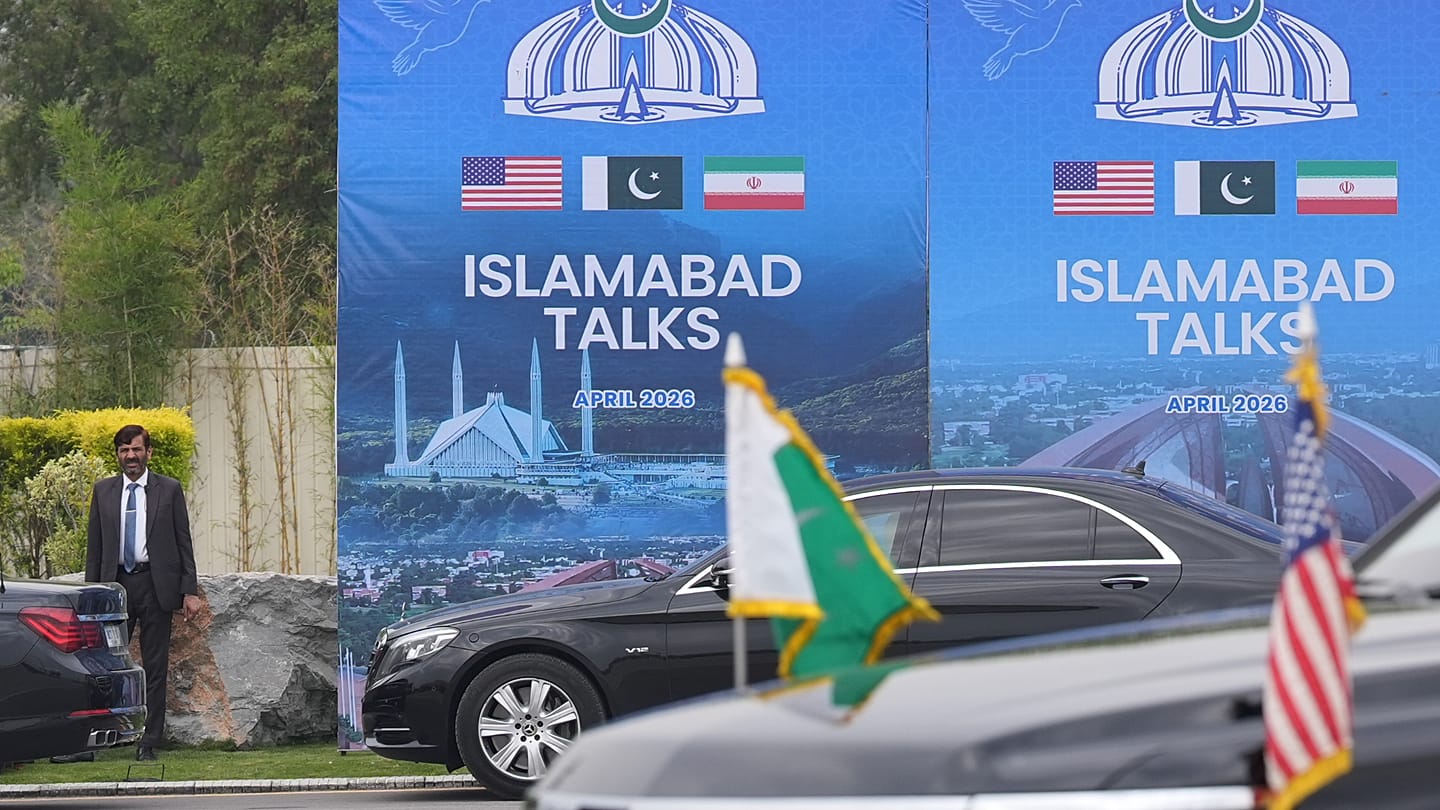
ISLAMABAD — For the first time since the 1979 Islamic Revolution, American and Iranian officials sat across a table from each other Saturday in Islamabad, Pakistan, opening direct negotiations to end a six-week war that has rattled global energy markets, killed thousands in the region, and brought the Middle East to the edge of a broader conflagration. The talks, hosted by Pakistani Prime Minister Shehbaz Sharif, represent the most consequential diplomatic encounter between Washington and Tehran in nearly half a century.
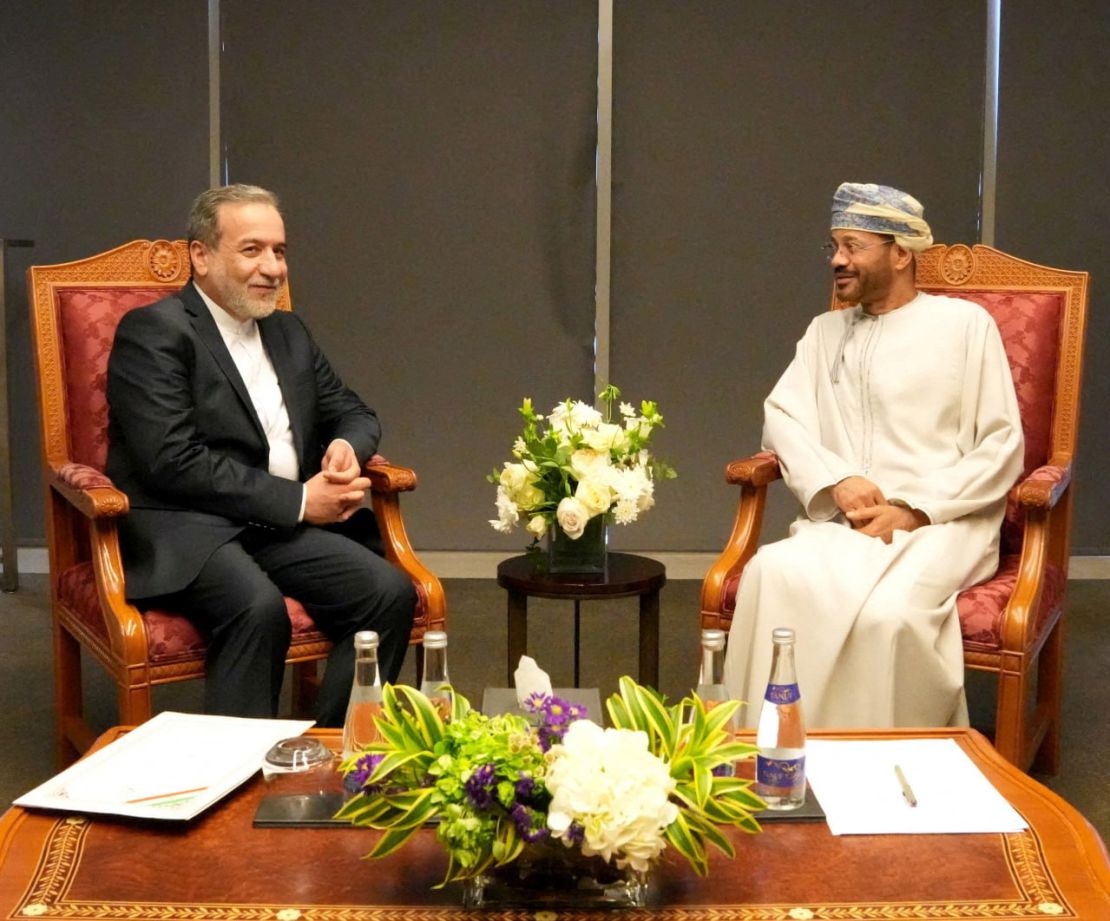
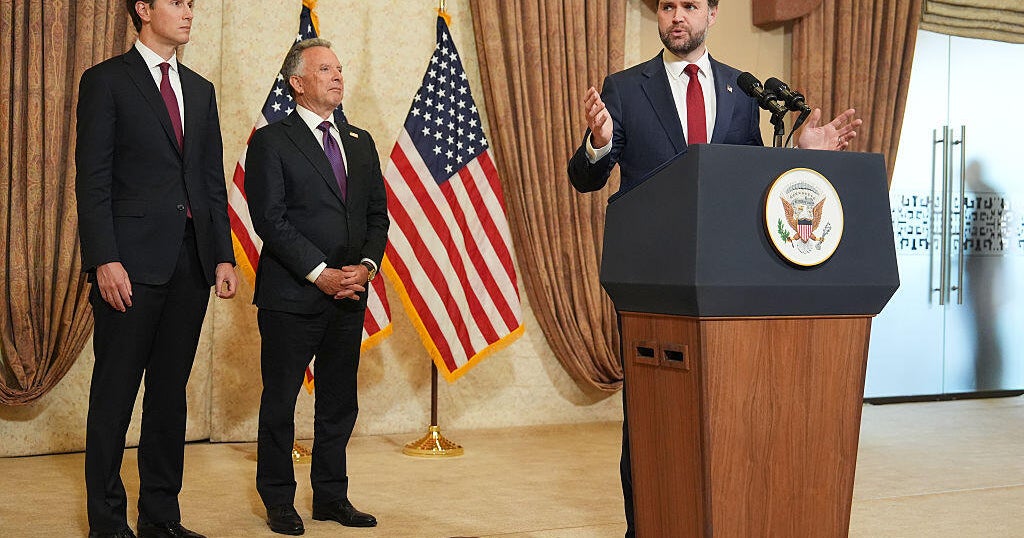
Vice President JD Vance led the American delegation, which also included Trump special envoy Steve Witkoff and senior White House adviser Jared Kushner. Iran fielded a team of over 70 officials headed by Parliamentary Speaker Mohammad Bagher Ghalibaf and Foreign Minister Abbas Araghchi. Before formal talks began, Pakistani PM Sharif held separate bilateral sessions with both delegations — a diplomatic courtesy that underscored the delicate ground each side was navigating.
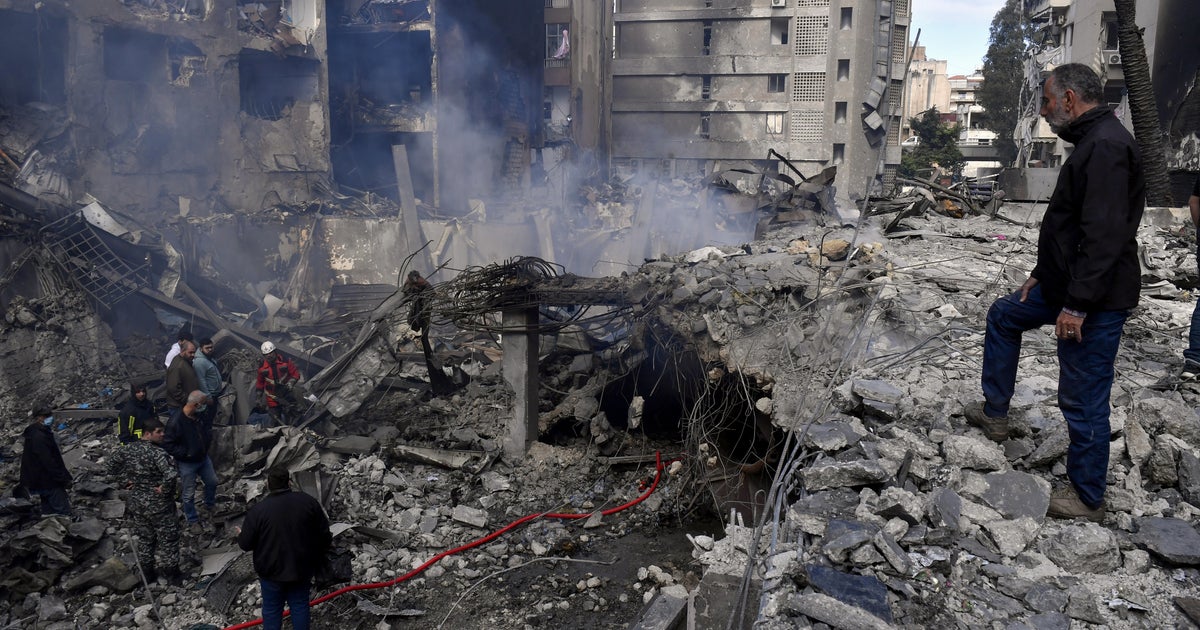
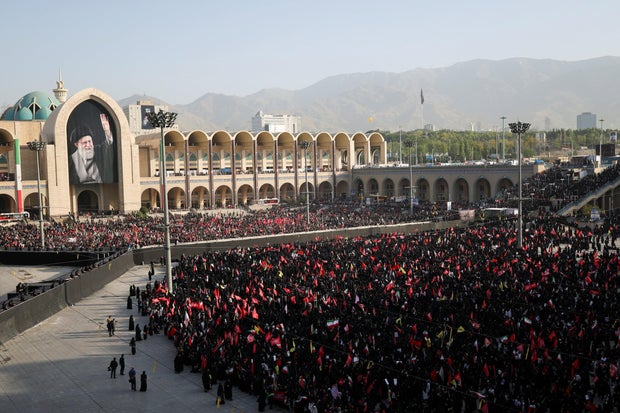
Both sides arrived having already exchanged written texts, a concrete signal that despite the bitter enmity and the active war, there is substantive engagement. But the gaps remain vast. Washington's ten-point peace framework, which Trump administration officials described as comprehensive and fair, was deemed "insufficient" by Tehran. Iran's own ten-point counterproposal was rejected by Washington. The most explosive sticking point: Israel's ongoing military campaign in Lebanon, which has killed nearly 2,000 people since early March. The US and Israel insist Lebanon is a separate conflict outside any ceasefire framework; Iran and Pakistan argue it is inseparable from any lasting peace.
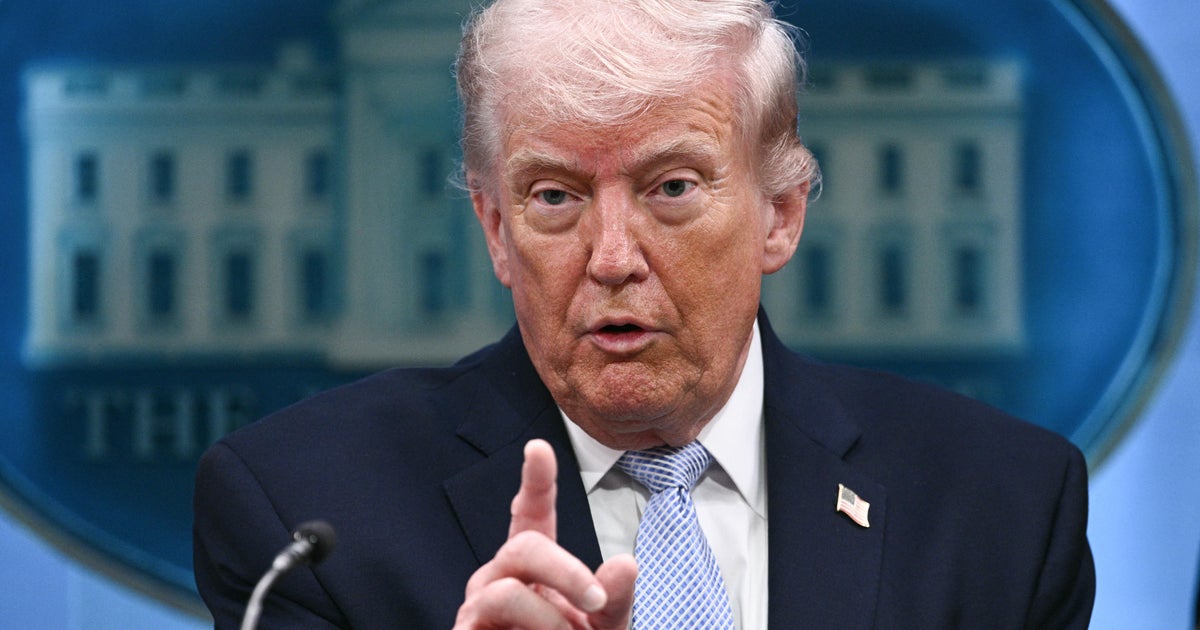
Ghalibaf arrived in Islamabad with a distinctly cautious tone. "Our experience in negotiating with the Americans has always been met with failure and broken promises," he told reporters before entering the talks. Vance signaled he was aware Iran would test American resolve. "If they're going to try to play us, then they're going to find the negotiating team is not that receptive," he said. President Trump, for his part, set an unusually confrontational tone before the talks even started: "The only reason they are alive today is to negotiate!" he posted on Truth Social on Friday night.
Iran's continued blockade of the Strait of Hormuz — through which roughly 20 percent of the world's oil and gas normally flows — looms as the most pressing economic lever in the negotiations. With Brent crude prices surging 10 to 13 percent and global jet fuel nearing $195 per barrel according to IATA data, every day the strait remains closed inflicts billions in economic damage on the global economy. Tehran has shown no immediate intention of lifting the blockade before a broader deal is reached, and has separately threatened to close the Bab al-Mandeb Strait, which would further strangle international trade.
The ceasefire that brought both sides to the table began six days ago, on Tuesday, and remains fragile. Military commanders on both sides have reported minor violations, and neither government has formally declared the shooting over. The fact that talks are happening at all is itself a form of progress — but analysts caution that the distance between the two sides' positions remains enormous, and that a deal capable of satisfying Iran's domestic political pressures, Trump's hardline base, and Israel's security concerns may be extraordinarily difficult to construct. The world will be watching Islamabad closely in the days ahead.