U.S.-Iran Ceasefire on Verge of Collapse After Navy Seizes Iranian Cargo Ship, Oil Spikes 6%
USS Spruance disabled the Touska in the Gulf of Oman as Tehran refused to send negotiators to Islamabad talks before Tuesday’s midnight deadline.

A fragile ceasefire between the United States and Iran appeared on the verge of collapse Monday after the U.S. Navy seized an Iranian cargo ship in the Gulf of Oman, oil prices spiked more than 6 percent, and Tehran declared it had "no plans" to send negotiators to a fresh round of talks in Pakistan despite Washington's last-minute push to salvage a deal before Tuesday's expiration deadline.
The USS Spruance intercepted the Iranian-flagged container vessel Touska in the Gulf of Oman on Sunday after the ship attempted to sail through the American naval blockade at the Strait of Hormuz. According to U.S. Central Command, the crew ignored repeated radio warnings over a six-hour standoff before the destroyer fired rounds into the engine room, disabling the ship's propulsion. The crew was not harmed.
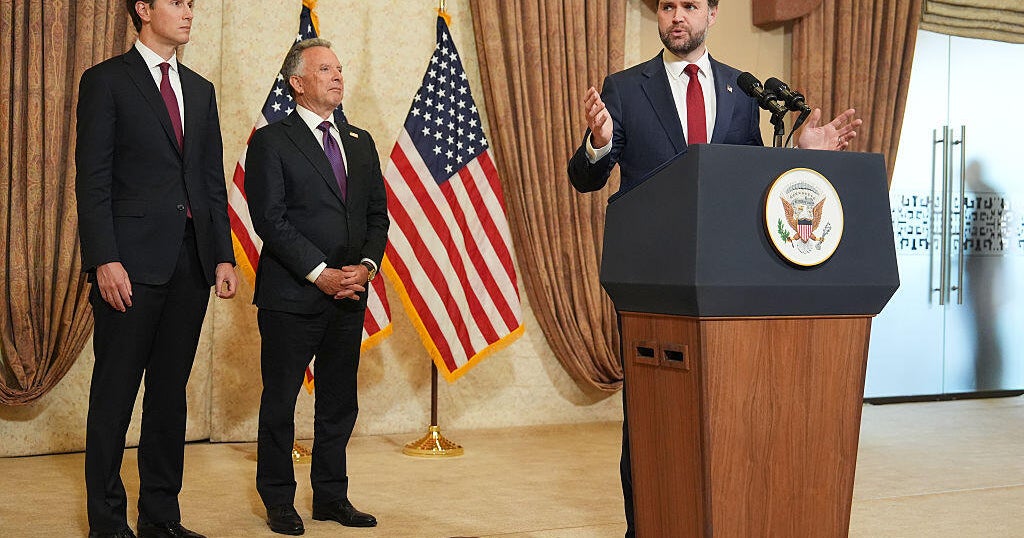
Iran's military responded with fury. A statement from the Islamic Revolutionary Guard Corps Navy called the seizure "armed piracy on the maritime highway" and warned that Iran's armed forces would "soon respond." Foreign Ministry spokesperson Esmaeil Baqaei said Monday that Tehran had not confirmed participation in talks Vice President JD Vance was preparing to lead in Islamabad, citing the ship seizure as proof the United States could not be trusted as a negotiating partner.
The two-week ceasefire — the first pause in fighting since the U.S.-Israel military campaign against Iran began on February 28 — was set to expire at midnight Tuesday. The initial truce was brokered by Oman and Qatar and halted strikes on Iranian energy infrastructure in exchange for a temporary reopening of the Strait of Hormuz. A series of ceasefire violations on both sides over the past week had pushed the agreement toward collapse even before the Touska incident.
Markets reacted sharply Monday morning. West Texas Intermediate crude futures jumped more than 6 percent to $89 a barrel, while the international benchmark Brent crude climbed 5.6 percent to $95.50 — its highest level in three weeks. U.S. stock index futures fell, with S&P 500 futures down nearly 1.5 percent before the opening bell.
President Trump posted on Truth Social that Iran's actions constituted a "total violation" of the ceasefire and renewed earlier threats. "If Iran doesn't come to the table immediately and make a REAL deal, we will have no choice but to strike their power plants, bridges, and infrastructure," Trump wrote.
The first round of direct U.S.-Iran talks, held April 12 in Muscat, failed to produce a framework agreement. The central disagreement involved the duration of any pause on Iranian uranium enrichment: Washington proposed a 20-year freeze, while Tehran insisted on no more than five years. Iran's existing stockpile — estimated by IAEA inspectors to include hundreds of kilograms of highly enriched uranium — remained another sticking point.
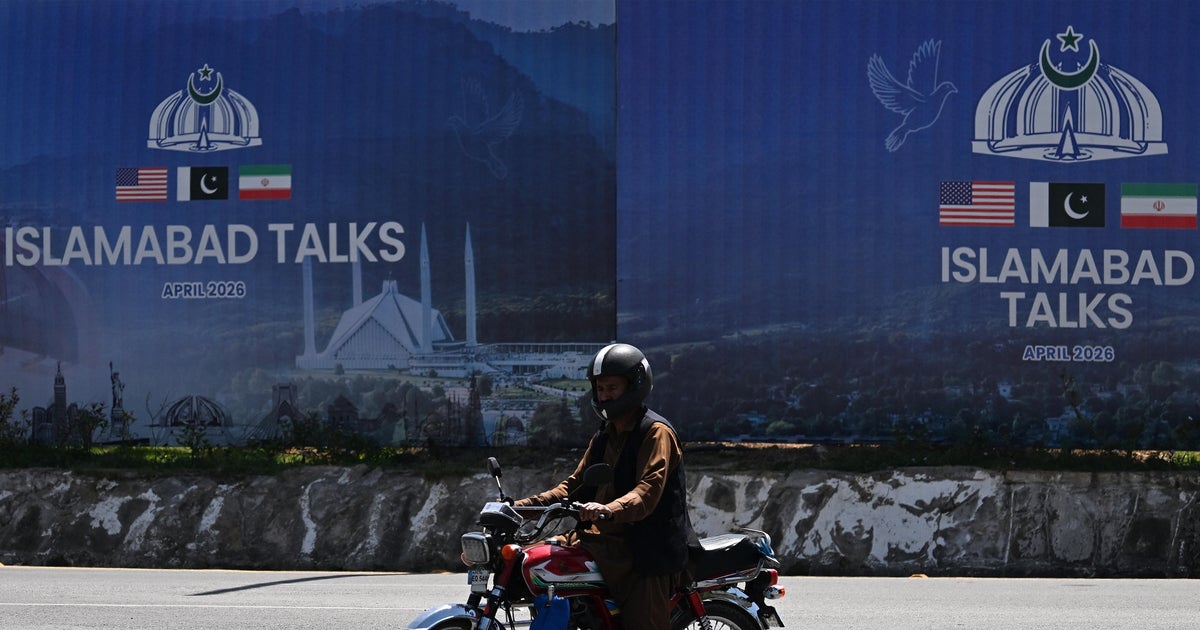
Senior U.S. officials said Vance's delegation would still travel to Islamabad on Monday in hopes Iran would send a delegation, even informally. Pakistan's foreign ministry said it remained "ready to facilitate multi-day talks" and urged both sides to give diplomacy a final chance.
With the ceasefire on life support, shipping insurers were again refusing new coverage for tankers transiting the strait, effectively shutting down one of the world's most critical energy arteries. No tankers had crossed the Strait of Hormuz since Saturday, marking the quietest traffic in nearly two months.