U.S. and Iran Begin Talks to End War as Pentagon Dispatches More Troops
The United States is discussing ways to end hostilities with Iran, even as military reinforcements continue flowing to the region amid ongoing conflict.

The United States and Iran have opened a channel of communication aimed at finding a path to end their military confrontation, even as the Pentagon announced it was deploying additional troops and military assets to the Middle East. The seemingly contradictory moves reflect the complex dynamics of a conflict that has rapidly expanded beyond what many officials in Washington initially anticipated.
The diplomatic channel, facilitated by Omani intermediaries, represents the first sustained communication between the two governments since hostilities erupted earlier this month. Officials familiar with the discussions described them as preliminary and focused on establishing ground rules for a potential cease-fire rather than negotiating specific terms.
At the same time, the Department of Defense confirmed that it was sending an additional 4,500 troops to the region, along with additional fighter aircraft, air defense systems, and naval vessels. Pentagon spokesperson Brigadier General Patrick Ryder said the deployments were defensive in nature and intended to protect American forces and regional allies.
The dual-track approach of diplomacy and military buildup has drawn both support and skepticism. Administration officials argued that negotiating from a position of strength was essential to achieving a durable agreement. Critics contended that continued military escalation risked undermining the fragile diplomatic opening.
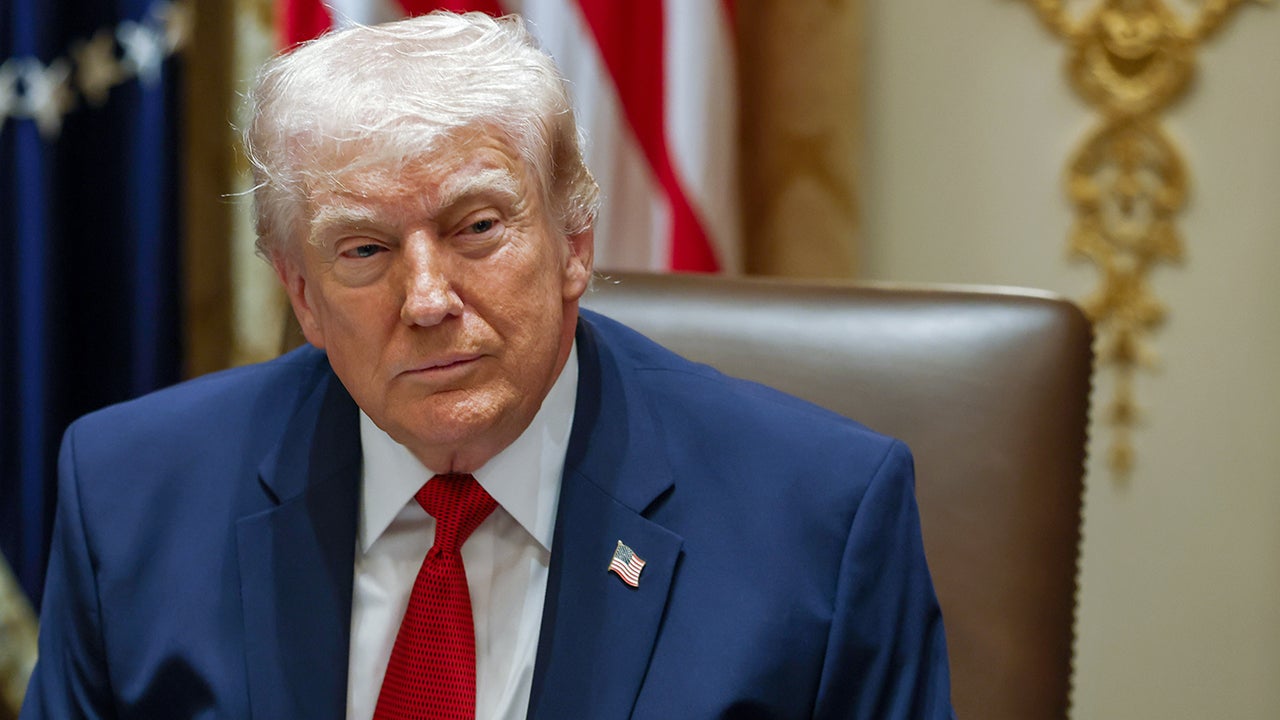
President Trump addressed the situation briefly during a press availability at the White House, saying the United States was willing to talk but would not negotiate from weakness. He characterized the military deployments as insurance and said Iran needed to demonstrate seriousness about ending the conflict.
Iranian officials have sent mixed signals about their willingness to engage in substantive negotiations. While the diplomatic channel through Oman has remained active, senior Iranian military commanders have continued to issue bellicose statements promising to escalate attacks on American and Israeli targets.
The conflict has already taken a significant toll. Military officials have confirmed dozens of American casualties since fighting began, while Iranian losses are believed to be substantially higher. Civilian casualties across the region have mounted as well, with international humanitarian organizations warning of a growing crisis.
Congressional leaders from both parties have expressed frustration with what they describe as a lack of clear strategic objectives. Several senators who received classified briefings on the situation said they came away with more questions than answers about the administration's endgame.
The diplomatic initiative comes amid growing international pressure for a cease-fire. The United Nations Security Council has held multiple emergency sessions on the conflict, though disagreements among permanent members have prevented the adoption of a binding resolution. European allies have urged the United States to prioritize diplomacy while also pledging continued support for regional security.
Analysts cautioned that the path from initial communication to a formal agreement would be long and fraught with potential obstacles. Previous attempts at diplomatic engagement between the United States and Iran have been derailed by domestic political pressures in both countries, as well as by events on the ground that hardened positions on both sides.
The situation has also complicated American relationships with key regional partners. Gulf Arab states have urged restraint while also seeking security assurances from Washington. Israel has expressed concern that any agreement with Iran could leave its security interests unaddressed.