UN Says Haiti Gang Violence Has Killed at Least 2,300 This Year as Bloodshed Spreads
Human rights chief Volker Turk reported 1,100 wounded and dozens kidnapped since January as armed groups push beyond Port-au-Prince into the countryside.
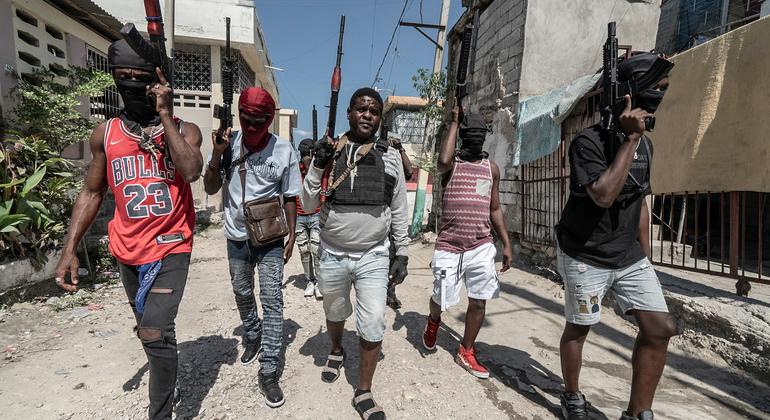
At least 2,300 people have been killed in gang violence in Haiti since the start of 2026, the United Nations said, a staggering toll that underscores how a security crisis once concentrated in the capital has metastasized across the impoverished Caribbean nation.
UN human rights chief Volker Turk reported that, alongside the dead, at least 1,100 people had been wounded and 99 kidnapped in the first months of the year. The figures, drawn from data verified by his office, capture only part of a wider catastrophe: a separate UN tally found that more than 5,500 people were killed in Haiti between March 2025 and January 2026 when deaths from security operations and self-defense groups are included.
The violence, long centered in Port-au-Prince, has increasingly spilled into the surrounding region and beyond. Over the past year, armed groups have pushed into the capital's outskirts and moved north into the Artibonite and Centre departments, seizing territory, displacing families and choking off the roads and supply lines that Haitians depend on. Much of the capital remains under the sway of a coalition of gangs that has overwhelmed an outgunned national police force.
Rights officials have pressed for a more robust international response. The UN has backed the creation of a Gang Suppression Force to bolster Haitian authorities, but Turk's office stressed that any such force must operate strictly in line with international human rights law. The warning reflects mounting concern over abuses on multiple sides, with the UN documenting killings linked not only to gangs but also to security operations and vigilante "self-defense" groups.
Haiti has been without an elected government for years, governed by a transitional arrangement amid repeated political crises and the collapse of basic state functions. A multinational security mission, led by Kenya, has struggled to reverse the gangs' momentum, hampered by shortfalls in funding, personnel and equipment.
The expansion into the Artibonite, Haiti's agricultural heartland, has been especially alarming for aid groups, who warn that gang control of farming regions and transport routes threatens food production for the entire country. Schools and hospitals have been forced to close, and humanitarian convoys increasingly require armed escorts to move supplies even short distances.
Humanitarian agencies warn that the bloodshed is fueling one of the Western Hemisphere's gravest displacement and hunger emergencies, with hundreds of thousands forced from their homes and aid workers struggling to reach those cut off by the fighting. As the body count climbs, Turk and other officials have urged the international community to act before the violence consumes still more of the country.
Originally reported by France 24.