UAE Gas Field Ablaze After Drone Strike as Key Oil Port Halts
Escalating attacks on Gulf energy infrastructure intensify pressure on global supply as Iran conflict widens

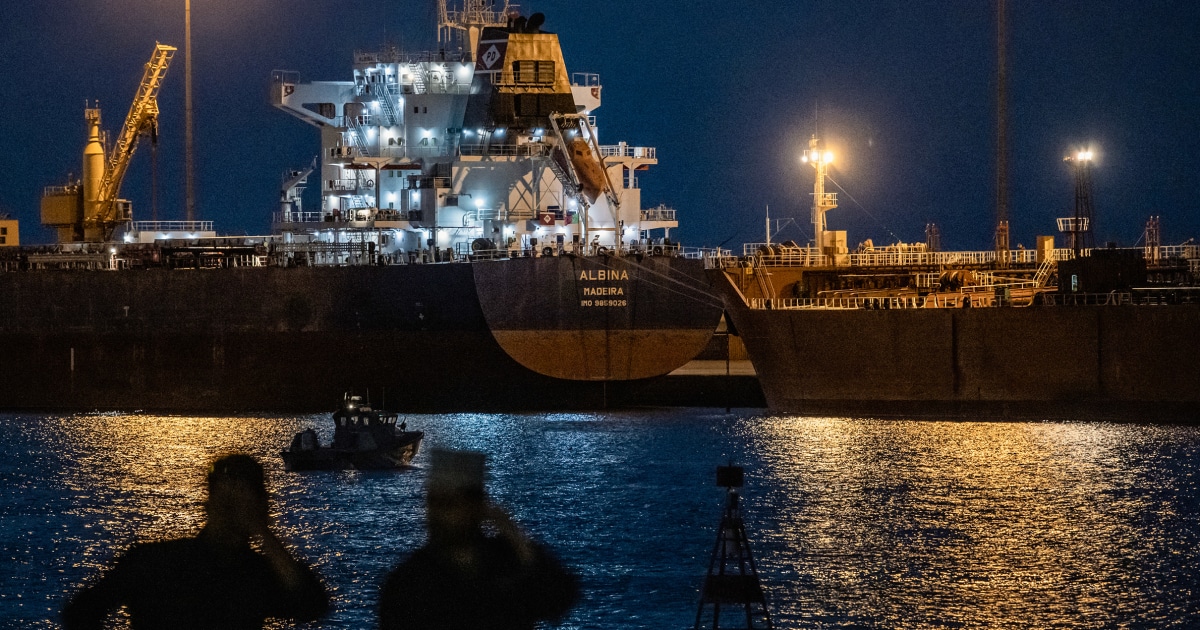
A major gas field in the United Arab Emirates was engulfed in flames following a drone strike on Monday, while a critical oil port suspended operations for a second time, marking a sharp escalation in attacks on Gulf energy infrastructure as the wider Iran conflict continues to destabilize the region.
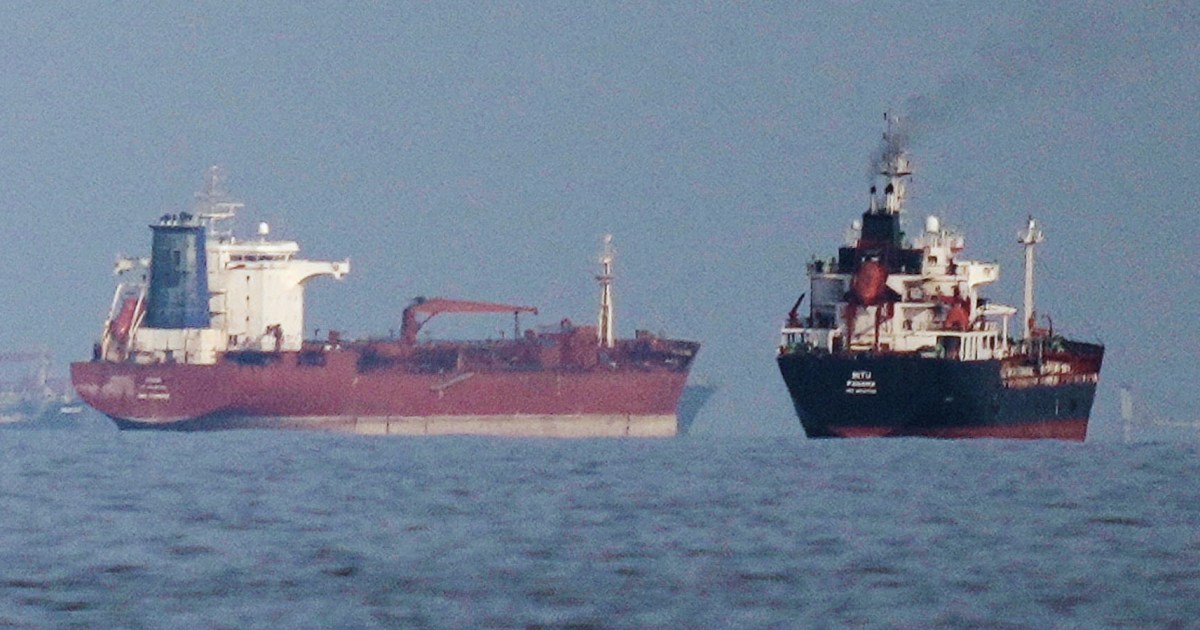
The twin disruptions represent some of the most significant direct hits on UAE energy assets since hostilities involving Iran intensified, threatening to squeeze global oil and gas supplies at a time when markets are already contending with heightened geopolitical risk. The UAE is one of the world's largest oil and gas producers, and any sustained disruption to its output capacity could ripple through energy markets worldwide. The halt at the oil port — a key export terminal for crude shipments — compounds concerns that the conflict is increasingly targeting the economic arteries of Gulf states.
Energy prices have been under mounting pressure as the war drags on, with each new attack on production or export infrastructure raising the specter of prolonged supply shortfalls. The Gulf region accounts for roughly a fifth of global oil production, and its shipping lanes and export facilities are among the most strategically important chokepoints in the world energy system. Analysts have warned that a sustained campaign targeting these assets could push crude prices sharply higher and force consuming nations to draw down strategic reserves.
The strike on the gas field is particularly notable given the UAE's expanding role as a major liquefied natural gas supplier. Any lasting damage to gas production infrastructure could tighten an already strained global LNG market, with downstream effects for power generation and industrial users in Europe and Asia. The UAE has invested heavily in boosting its gas output in recent years as part of a broader strategy to monetize its hydrocarbon reserves while also meeting rising domestic energy demand.
As the conflict shows no signs of abating, Gulf energy producers face a difficult calculus: maintaining output in the face of escalating military threats while reassuring global buyers that supply commitments will be honored. The international community, meanwhile, is watching closely as each new attack raises the stakes for energy security far beyond the Middle East.