Two Pilots Killed in LaGuardia Crash Were Early in Aviation Careers
Antoine Forest, 30, and Mackenzie Gunther were the only fatalities when Air Canada Express flight collided with fire truck at New York airport.
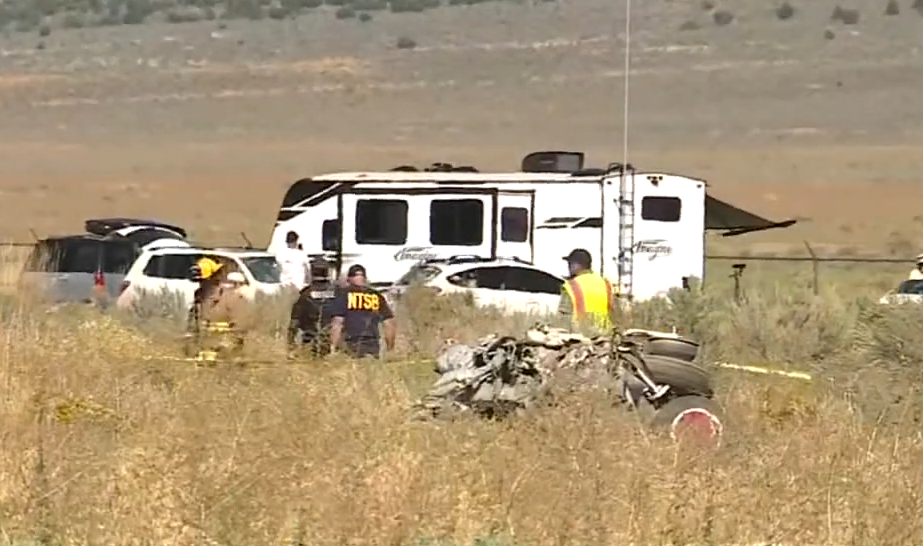
The two pilots killed when an Air Canada Express jet collided with a fire truck at LaGuardia Airport on Sunday night were both in the early stages of their aviation careers, colleagues and family members said on Tuesday. Antoine Forest, 30, and Mackenzie Gunther were the only fatalities in the accident, which injured dozens of passengers and prompted a sweeping investigation into airport ground safety procedures.
Forest, a first officer from Montreal, had been flying commercially for approximately three years after completing his training at a flight school in Quebec. Friends described him as deeply passionate about aviation, a lifelong interest that began with childhood visits to the observation deck at Montreal-Trudeau International Airport. He had recently been selected for a captain upgrade program and was expected to begin training for the left seat within months.
Gunther, the flight's captain despite being relatively early in her career, had accumulated several thousand flight hours since earning her commercial pilot's license. She was known among colleagues for her meticulous approach to pre-flight preparation and had received commendations for her performance during challenging weather operations.
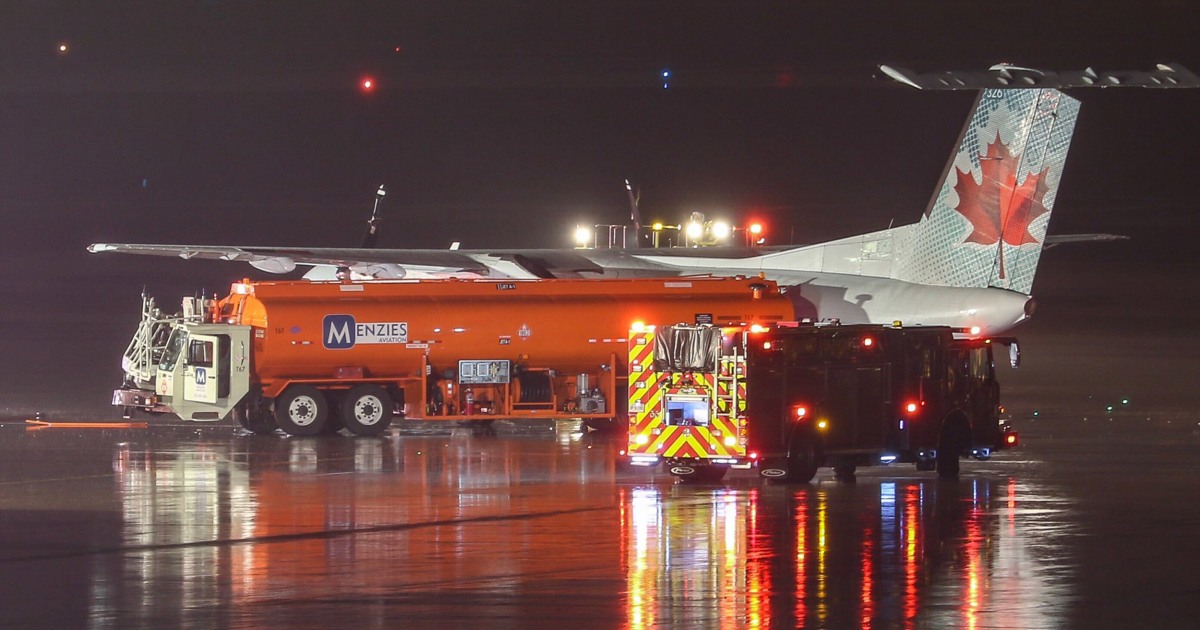
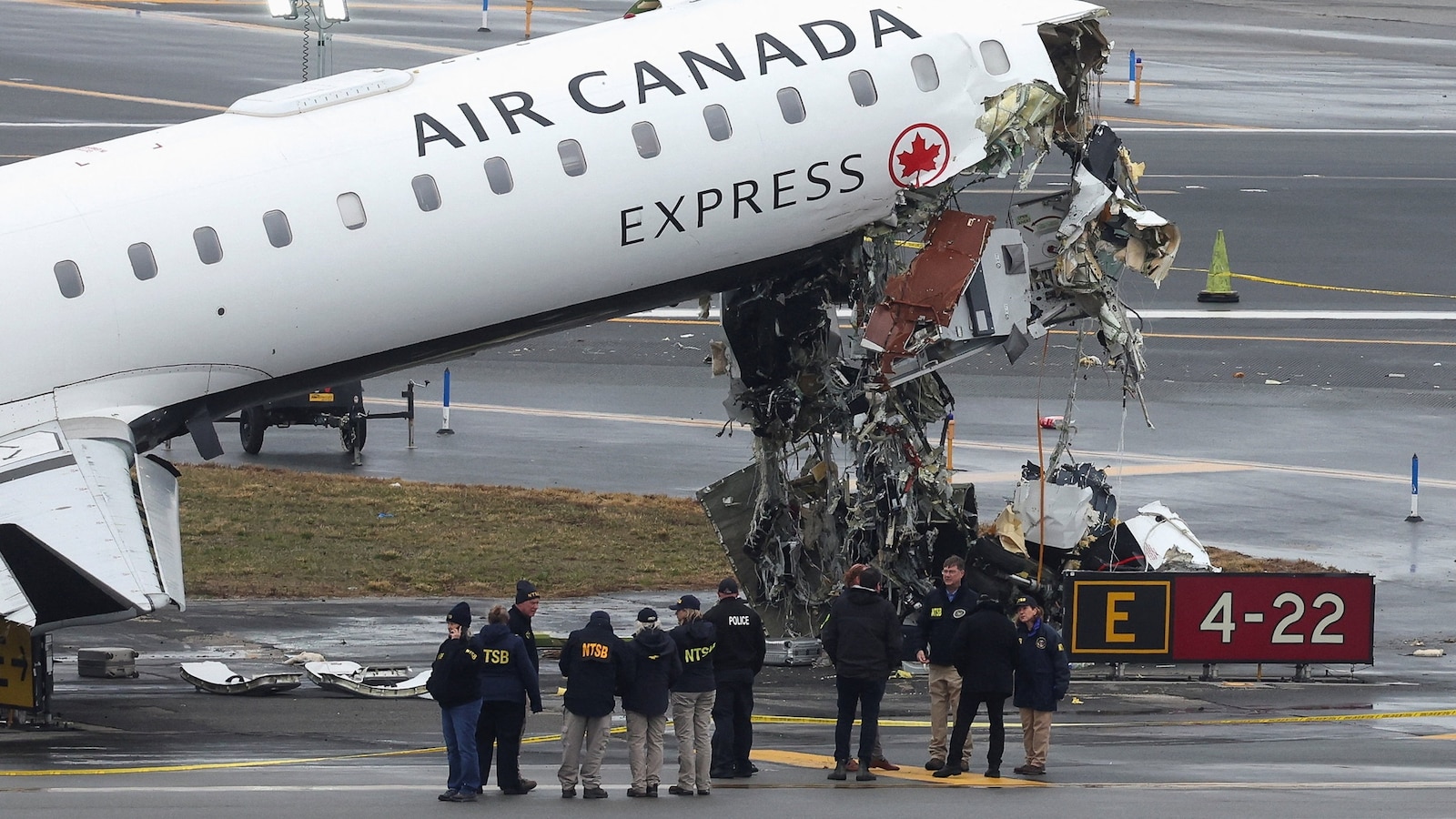
The accident occurred at approximately 9:15 p.m. on Sunday as the Air Canada Express regional jet was taxiing toward the gate after landing. According to preliminary information from the National Transportation Safety Board, the aircraft struck a Port Authority fire truck that was crossing an active taxiway. The collision caused the cockpit section of the aircraft to crumple, killing both pilots.
Of the 73 passengers aboard the flight, 28 were transported to area hospitals with injuries ranging from minor cuts and bruises to broken bones. All have since been released or are expected to make full recoveries.
The NTSB has dispatched a full investigation team to the scene and is examining multiple factors including the fire truck's reason for being on the taxiway, the communications between ground control and both the aircraft and the emergency vehicle, and the visibility conditions at the time of the accident.
Preliminary indications suggest a breakdown in ground traffic coordination may have contributed to the collision. LaGuardia's taxiway system has long been considered among the most complex and congested in the country, and pilots and ground crews have raised concerns about the airport's layout for years.
The Port Authority of New York and New Jersey, which operates LaGuardia, said it was cooperating fully with the investigation and had implemented temporary enhanced ground traffic procedures while the probe continued. The fire truck involved in the collision was responding to a routine alarm that turned out to be a false alert.
Air Canada Express, which is operated by Jazz Aviation, released a statement expressing profound sorrow over the loss of the two crew members. The airline said it was providing support to the families of the deceased and to all passengers and crew affected by the accident.
The aviation community has been shaken by the incident, which represents a rare fatal ground accident at a major American airport. Industry safety experts noted that while significant attention has been paid to preventing runway incursions involving aircraft, the risk posed by interactions between aircraft and ground vehicles has received comparatively less scrutiny.