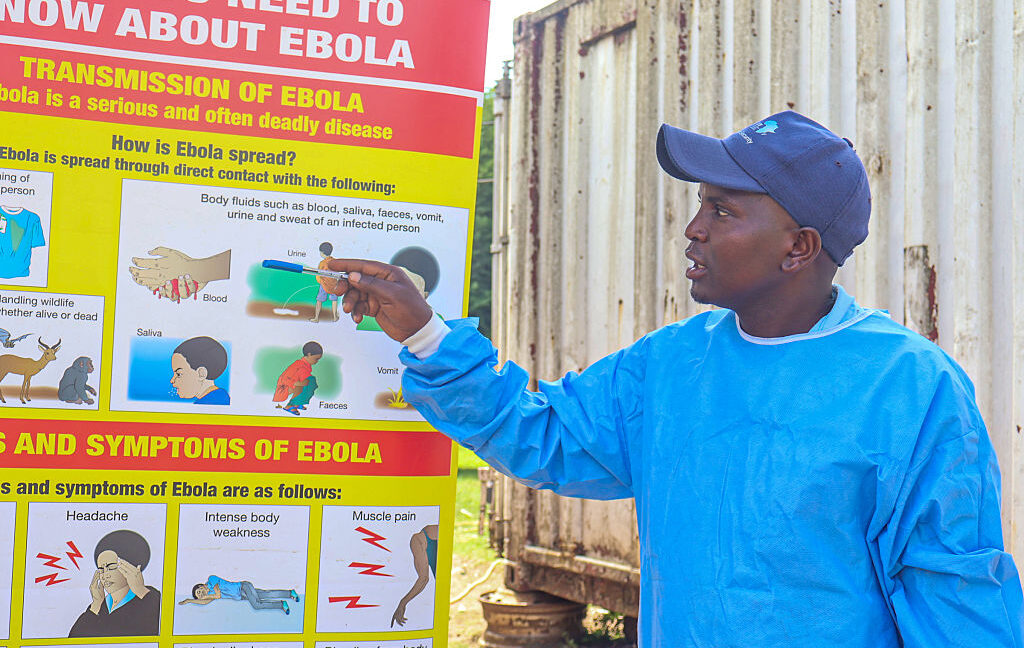
Two Killed as Kenyan Protests Erupt Over U.S.-Backed Ebola Quarantine Center
President William Ruto defended the 50-bed facility at Laikipia Air Base for Americans exposed to Ebola, even as a court froze the project and demonstrators clashed with police in Nanyuki.
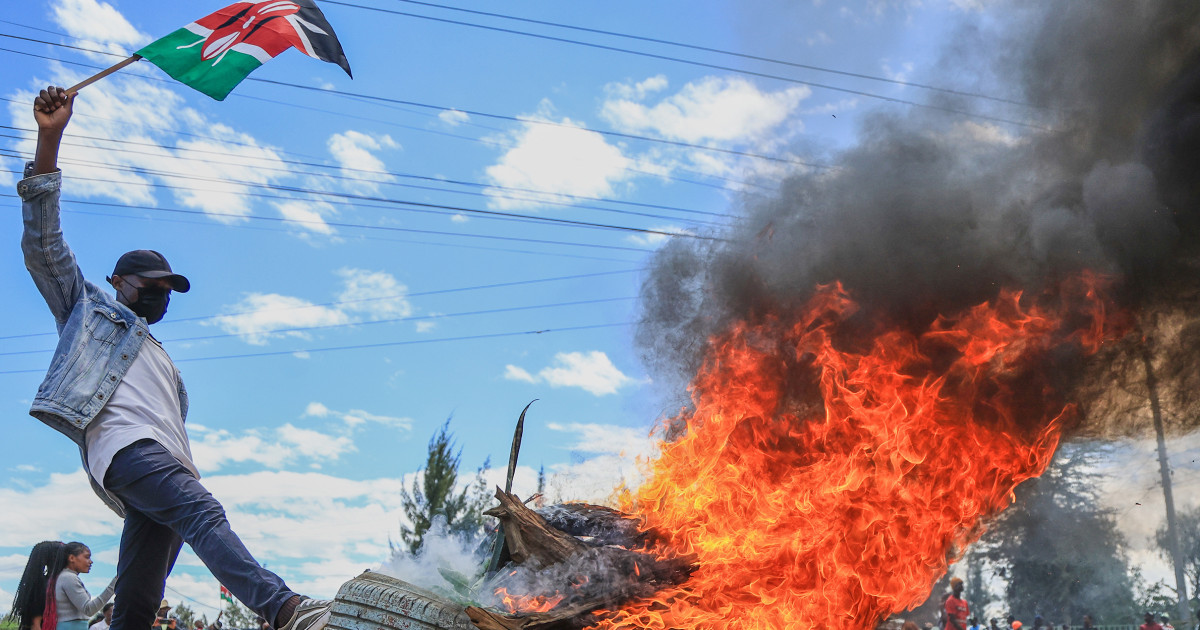
A U.S.-backed plan to open an Ebola quarantine center in Kenya descended into deadly unrest this week, as hundreds of demonstrators clashed with security forces and a court moved to halt the project amid mounting public anger.
The facility, a 50-bed unit planned at the Laikipia Air Base in central Kenya, was designed to house American citizens who have been exposed to the Ebola virus but remain asymptomatic. The arrangement grew out of a request from Washington as an outbreak spreads through eastern Democratic Republic of Congo, where war and hunger have hampered the response.
On Monday, hundreds of young people demonstrated in the nearby town of Nanyuki against the plan, and two people were killed during the protests, according to a protest organizer, Patrick Wahome, who said the victims died of gunshot wounds after police opened fire. The deaths inflamed an already volatile debate over why Kenya, rather than the United States, would host Americans exposed to one of the world's most lethal pathogens.
President William Ruto defended the agreement, casting it as routine public-health cooperation rather than an extraordinary risk. "The quarantine facility being established at Laikipia Air Base with the support of the United States is neither unique nor exceptional, but part of a broader national preparedness system," Ruto said. He added that when President Trump asked Kenya to help, he agreed because it reflected a partnership "with friends who have worked with Kenya for 30 to 40 years."
The courts were less persuaded. Kenya's High Court extended conservatory orders blocking the establishment of any Ebola quarantine, isolation or treatment facility in the country and barred the admission of anyone exposed to the virus. The court also ordered the government to disclose the full details of the proposed U.S.-linked facility, siding with petitioners who argued that the public had been kept in the dark about an agreement carrying serious health and sovereignty implications. The legal challenge built on an earlier ruling, days before, in which a Kenyan court blocked a related Trump administration plan to send exposed Americans to the country.
The backdrop is an outbreak that the World Health Organization has declared a global health emergency as the virus spreads through eastern Congo, a region already destabilized by armed conflict and food shortages. Washington's interest in an offshore quarantine site reflects a desire to monitor exposed citizens close to the outbreak zone rather than risk introducing the virus on flights home. To many Kenyans, however, the proposal looked like an attempt to offload the danger onto an African partner, and the deaths in Nanyuki transformed a simmering policy dispute into a national flashpoint.
The standoff highlights the diplomatic friction that can accompany cross-border outbreak response. While health officials stress that asymptomatic, monitored individuals pose minimal transmission risk, the optics of a foreign government quartering its potentially infected citizens on Kenyan soil — at a military base, no less — proved politically explosive. For now, the legal freeze leaves the fate of the center, and the broader U.S.-Kenya health partnership, in limbo.