Trump Lifts Sanctions on 140 Million Barrels of Iranian Oil While Claiming Victory — and Sending More Troops
Treasury Secretary Scott Bessent authorized the temporary sale of Iranian crude oil stranded at sea in a desperate bid to cool gas prices near $4 a gallon, even as the Pentagon deployed thousands more Marines and requested $200 billion in war funding.

President Trump said Friday he was "considering winding down" the U.S. military campaign against Iran even as his administration deployed thousands more troops to the region and lifted sanctions on an estimated 140 million barrels of Iranian crude oil — a stunning pair of contradictions that illustrated the growing pressure the three-week war has placed on American energy markets and domestic politics. In a Truth Social post, Trump wrote: "We are getting very close to meeting our objectives as we consider winding down our great Military efforts in the Middle East with respect to the Terrorist Regime of Iran." He listed those objectives as preventing Iran from obtaining nuclear capability, completely degrading Iran's missile systems, and eliminating its navy and air force.
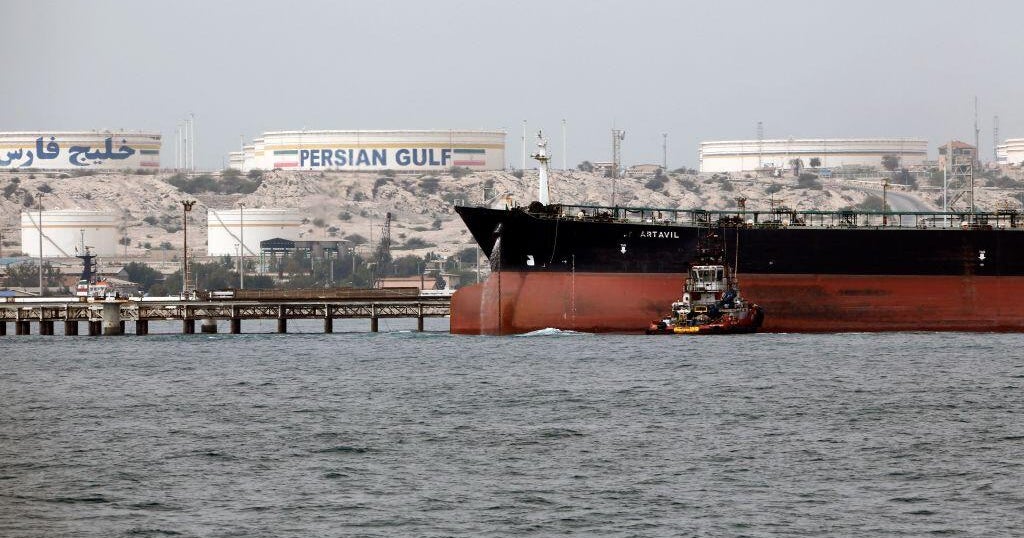
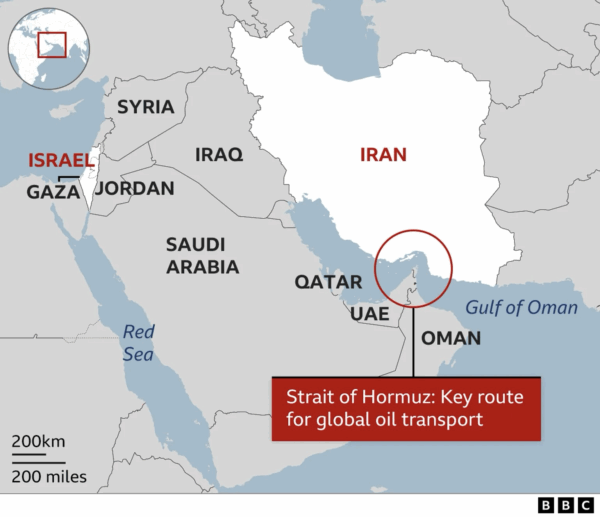
The administration's decision to lift oil sanctions marked a jarring reversal in its stated economic strategy toward Tehran. Treasury Secretary Scott Bessent, appearing on Fox Business Network Thursday, told viewers that "in the coming days, we may unsanction the Iranian oil that's on the water — about 140 million barrels." By Friday evening the Treasury Department formalized the authorization, granting a temporary license through April 19 allowing the purchase of Iranian oil already stranded at sea. Three weeks into a war that has closed the Strait of Hormuz, incinerated Qatar's Ras Laffan LNG facility, and sent gasoline prices toward $4 a gallon nationally, officials framed the move as an emergency stabilization measure. But critics noted the obvious irony: the U.S. was simultaneously attacking Iran's energy infrastructure and enabling the Islamic Republic to profit from oil sales.
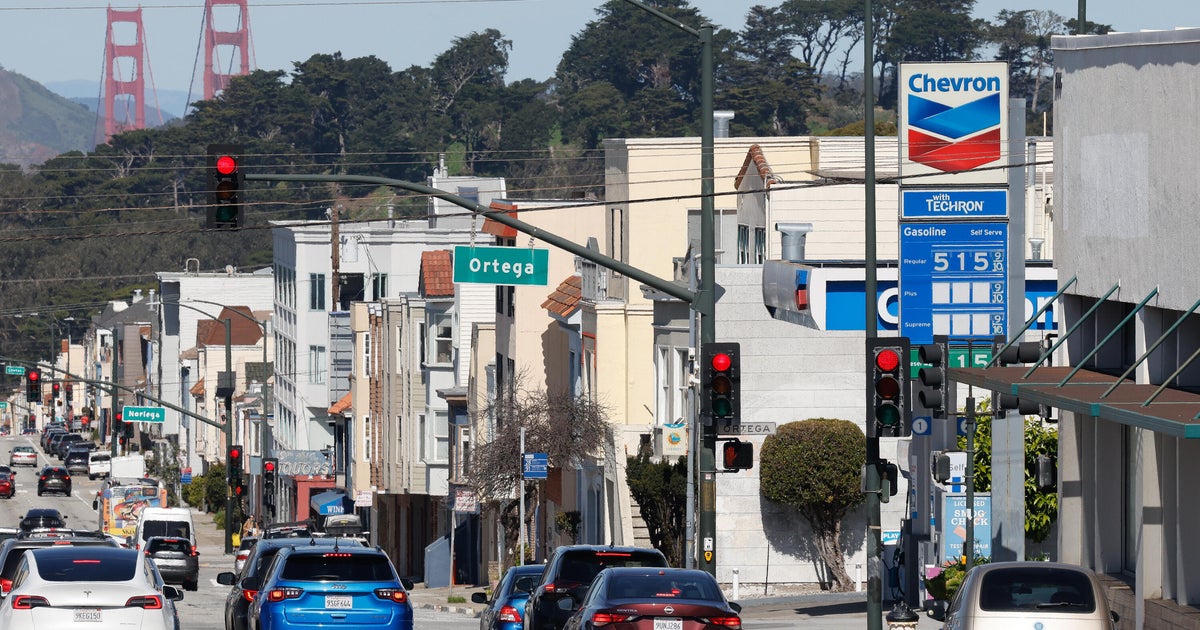
The economic math driving the reversal was stark. Brent crude settled at $112.19 a barrel Friday — its highest level since mid-2022 and nearly 60 percent above the pre-war price of roughly $70. U.S. gasoline averaged $3.91 per gallon nationally, with states like Georgia suspending fuel taxes to ease the burden on consumers. Saudi oil officials privately warned the Energy Department that prices could exceed $180 a barrel if the Strait of Hormuz remained closed through late April. The 140 million barrels of unsanctioned Iranian oil represented only about one and a half days of global consumption — far short of what analysts say is needed to replace Gulf supply disruptions — and Bloomberg reported Thursday that removing sanctions on Iranian crude "is not an easy fix for oil prices."
A senior Iranian source told CNN that Tehran did not believe Trump's "winding down" claim reflected a real reduction in military activity. "Contrary to Trump's claims, Iran has no such estimate and concludes that the enemy's military posture in the region hasn't changed significantly," the official said. The skepticism appeared well-founded: the Pentagon confirmed Friday that three additional warships and approximately 2,200 Marines from the 11th Marine Expeditionary Unit were deploying from San Diego, with arrival expected within days. That deployment followed earlier announcements of thousands of additional troops, raising total U.S. military personnel in the region to levels not seen since the Iraq War. Defense Secretary Hegseth's request for $200 billion in supplemental war funding further contradicted a narrative of imminent drawdown.
The political fallout at home was intensifying. Rep. Lauren Boebert of Colorado announced she would oppose the $200 billion supplemental, saying she "will not support additional war spending while Americans struggle financially." Sen. Rand Paul, who voted with Democrats on a March 4 war powers resolution that ultimately failed 47-53, called the administration's contradictions "the definition of having no strategy." A Reuters/Ipsos poll published Friday found 64 percent of Americans expected Trump to eventually send ground troops to Iran, while 55 percent said they would oppose such a move. The same poll showed the president's approval rating on handling of the war had slipped to 46 percent from a peak of 61 percent shortly after the initial strikes — a warning signal for a White House that launched Operation Epic Fury without a clear exit plan.